
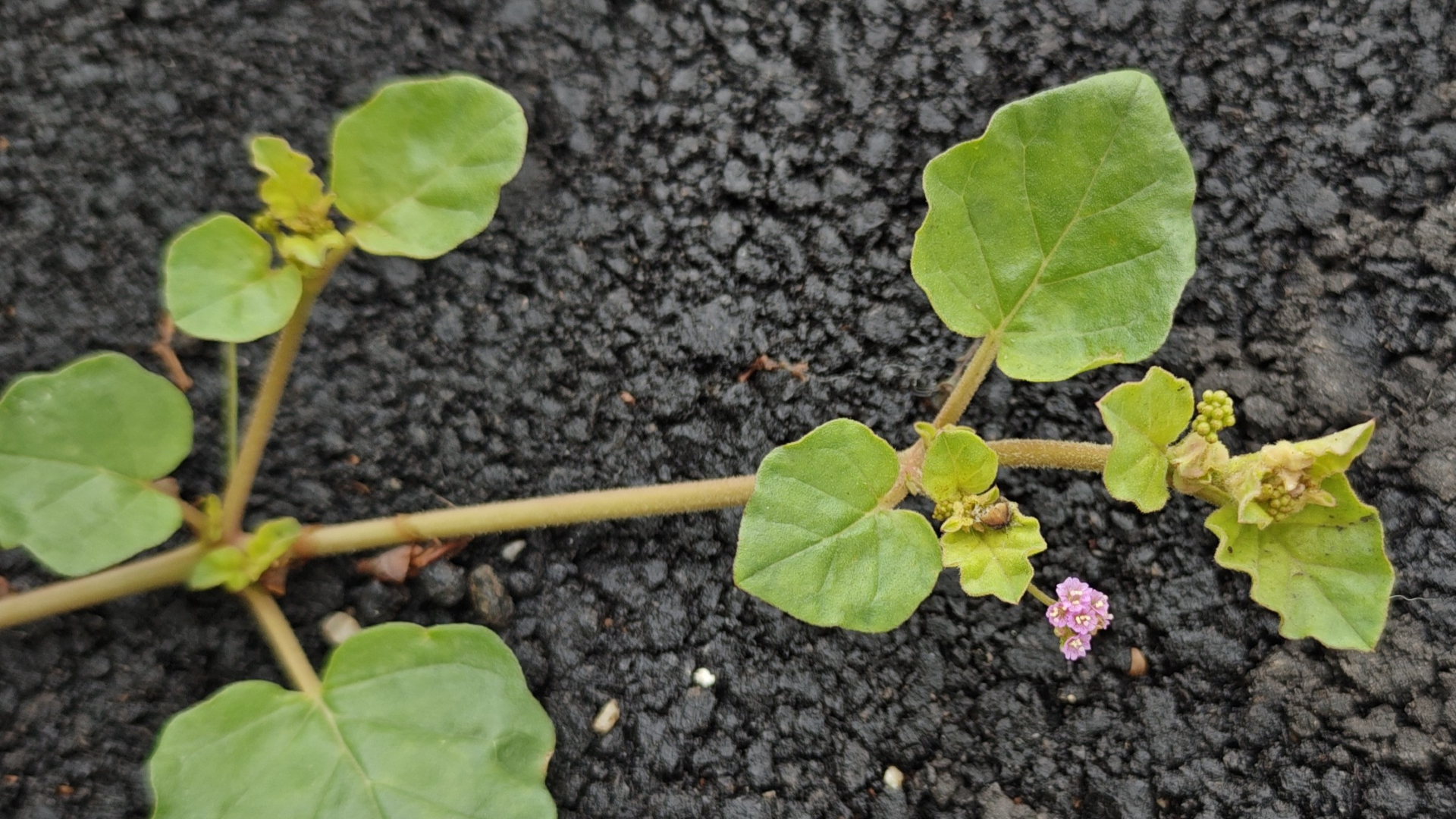
Imagine you are standing in your kitchen. There aren’t enough vegetables and you are wondering what to cook. You step out into your backyard or a nearby open space, return with a handful of greens and quickly rustle up a Soppu Saaru (a mixed greens curry commonly eaten in Karnataka). A saaru more nutritious and flavourful than any vegetable curry. One that costs you nothing, made with the freshest ingredients and the shortest distance from soil to plate.
Welcome to the world of Wild Edible Plants (WEP’s) – the ones that appear on their own when the season is right, that ask for nothing but give back generously, that have nourished our ancestors for generations as both food and medicine.
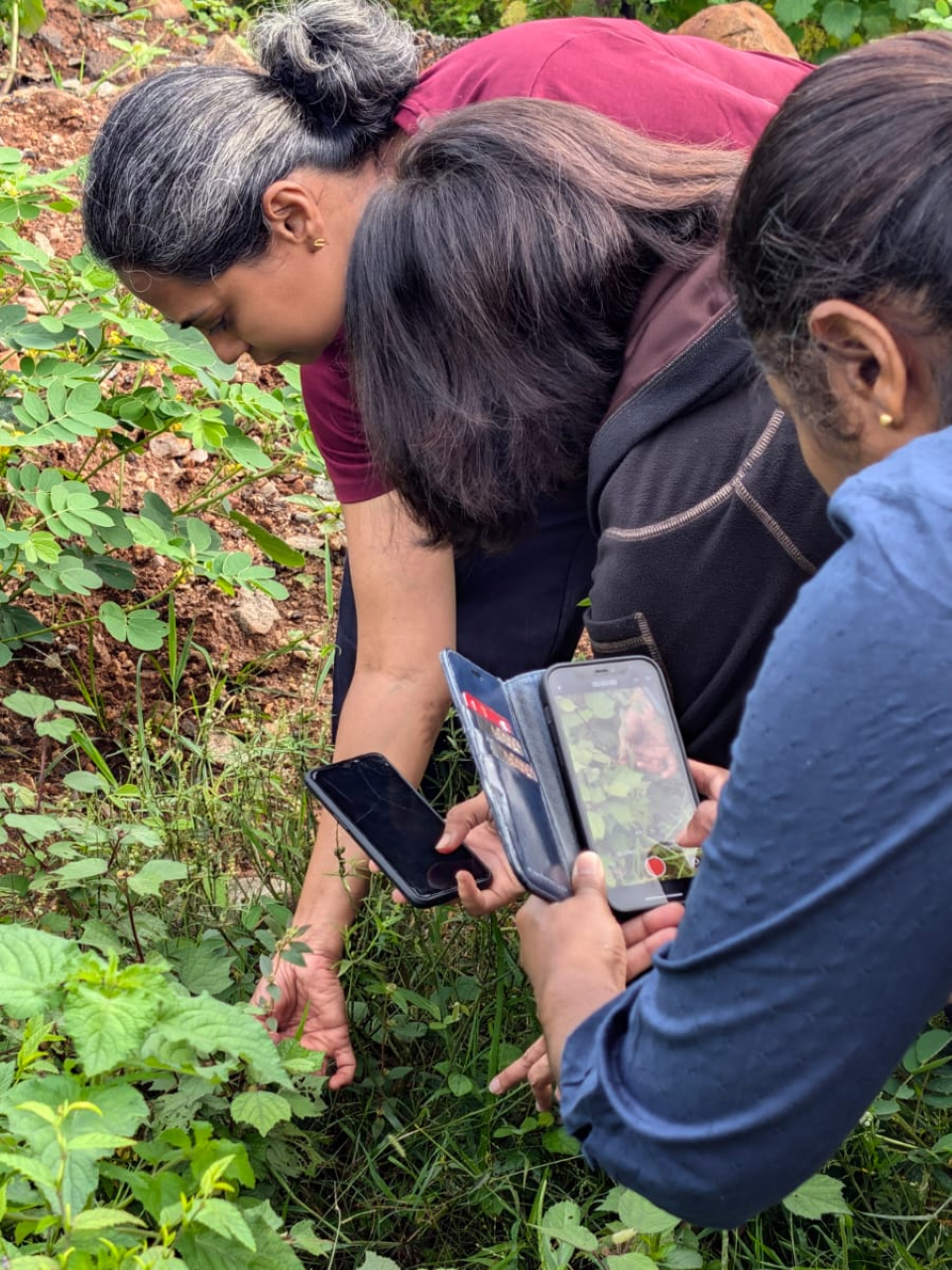
We often think of food as something that is grown outside the home or purchased from markets, something we get only if we spend money or. But if we look outside our windows, there is also food from nature — food that is free, nutritious, and medicinal — if only we know how to identify, gather and learn to use them judiciously.
Naming the practice
Foraging for food is not merely about plucking wild edible plants from around us. It is a deeply rooted knowledge system, an embodied wisdom. It comes from years of living close to the land, intuitively understanding what it offers, walking along with elders and learning from them, taking only what is needed and using it well.
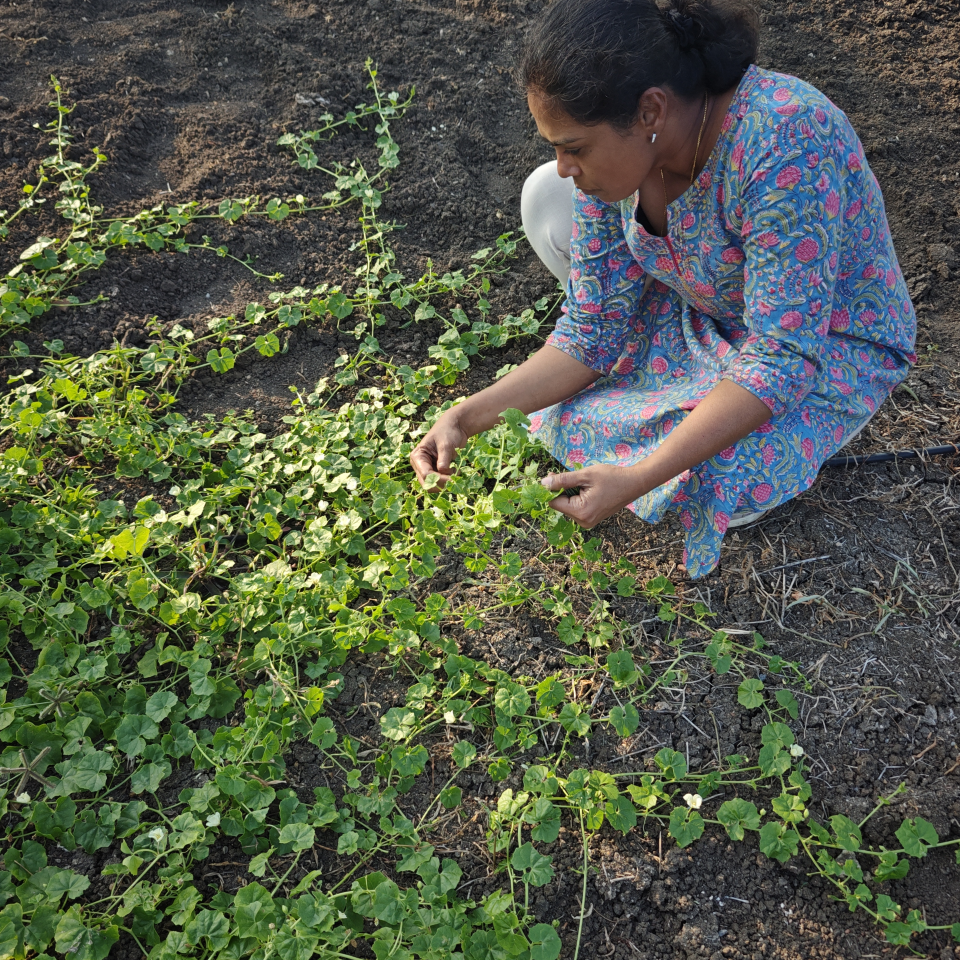
If you have ever observed a forager, you will notice how their whole body is attentive. Feet softly walking on the earth, eyes quickly identifying the edible greens from among many, fingers, like bees fluttering from flower to flower, gently gathering the tender leaves. In a short time, they would have gathered enough greens for the day’s meal.
My encounter with foraging
My journey with wild greens began during the lockdown when supermarket shelves were empty and there was talk of food shortage. I started thinking about how our ancestors had faced famines and similar rough situations. I remembered reading articles about how people would survive by gathering wild greens and simply boiling and eating them. I realised that knowledge required to gather food is an important survival skill, just like knowledge required to grow it and cook it. As I started exploring more, I was struck by the depth of knowledge and wisdom that lay hidden. Almost every plant I came across was either edible, medicinal or had cultural significance. All neatly documented in the minds of communities who have been using them.
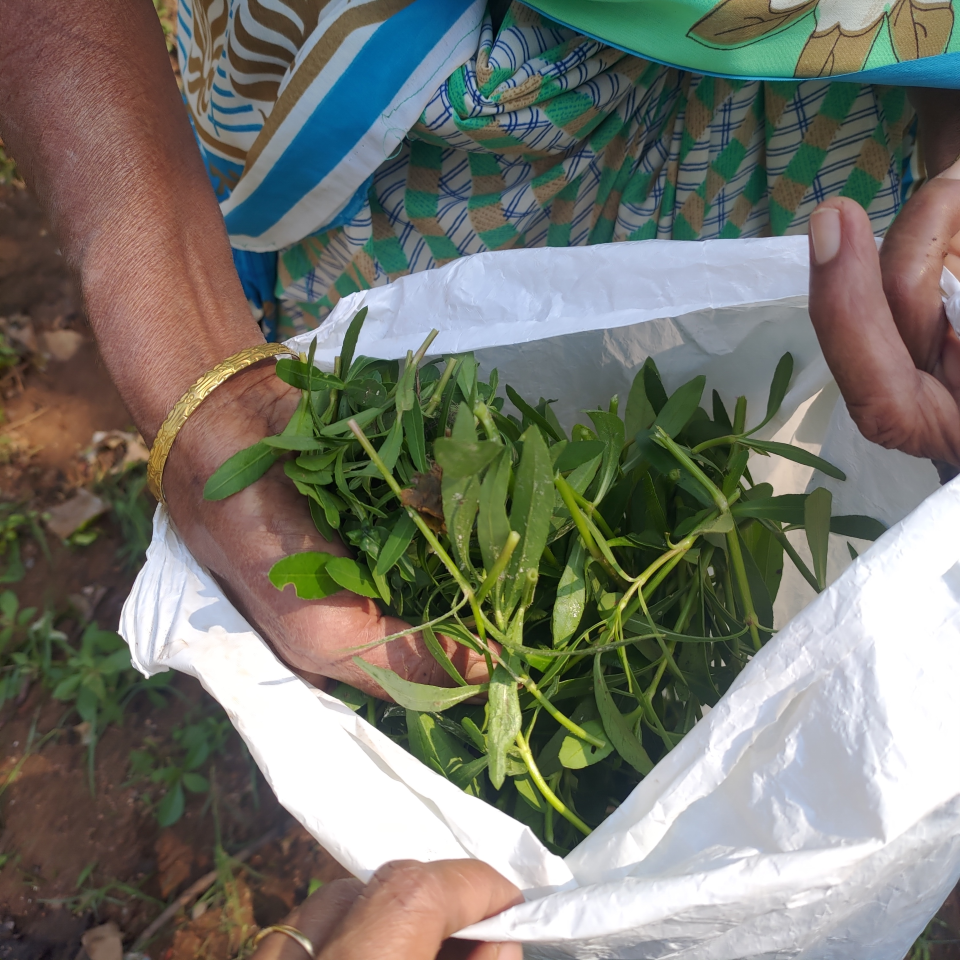
Every walk led me to new plants. Some whose names I had heard in passing, some that I had known and seen being used in my childhood. Reading about them, documenting, gathering and cooking with them became my way of reconnecting with this knowledge. To understand more, I started talking to people who forage, people for whom this knowledge is vital to bringing food to their plates. Talking to them, going to fields with them, learning and trying traditional recipes further expanded my knowledge and increased my respect for guardians and practitioners of this wisdom.
For indigenous communities, foraging is a way of living. They forage not just for seasonal greens, but for tubers, roots, tree barks, wild-berries, mushrooms, honey, bamboo shoots and so on.. Their knowledge of wild plants and their uses is amazing. Almost every part of the plant is used, from tender leaves, to stalks, tubers, flowers and fruits.
Urban foraging
This relationship with wild food is not limited to indigenous communities alone. People in small towns and villages, as well as those from a lower socio-economic background in cities also forage for greens from their backyards, fields, lake and tank beds, parks and public spaces, etc. These greens enrich their everyday meals, adding flavour, nutrition, and seasonal variety. Some of the foraged produce also becomes a source of additional income.
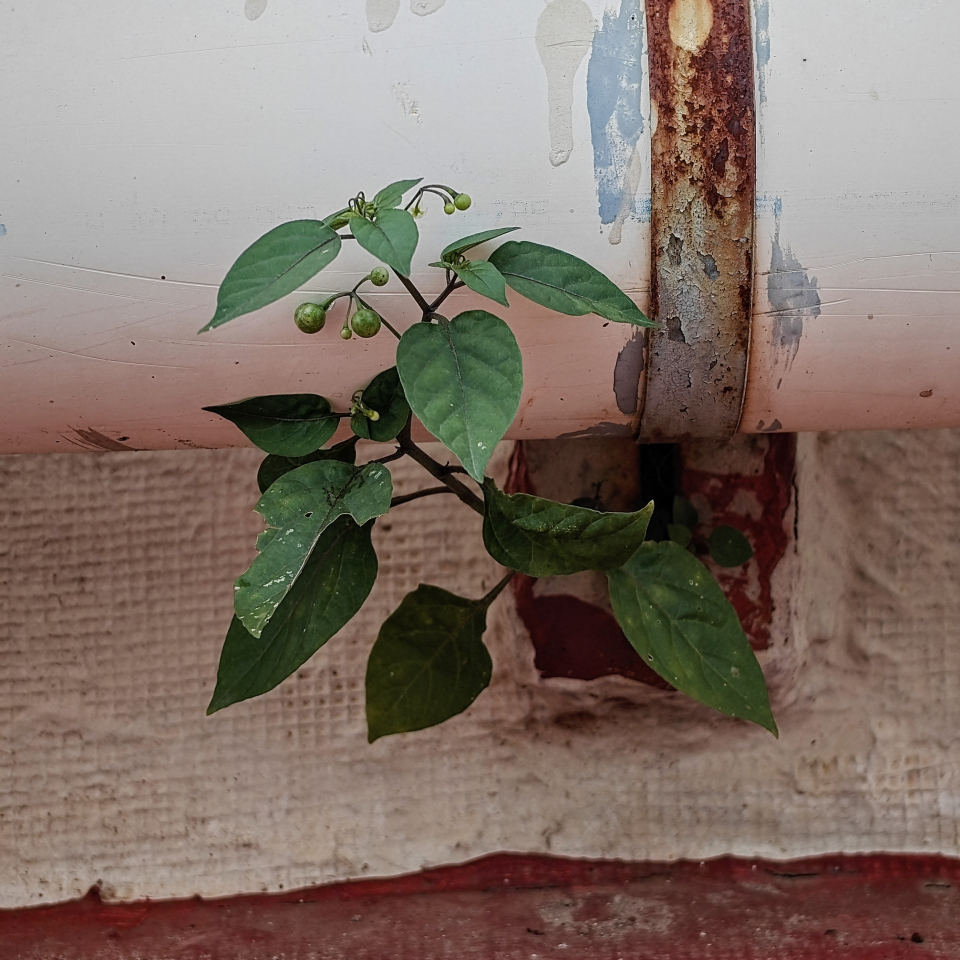
In cities, these plants have always existed in plain sight. But most of us tend to walk past them without paying attention.
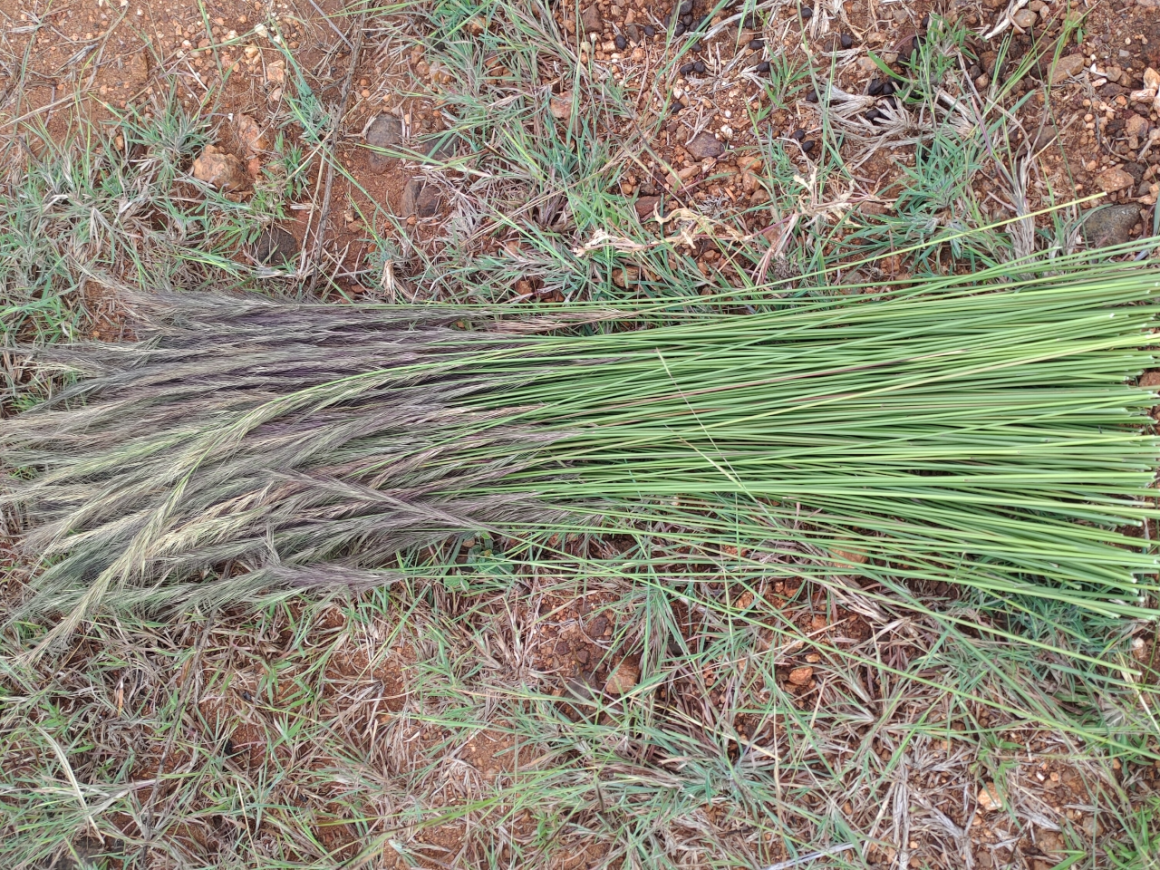
My first encounter with urban foraging was when I saw a few women gathering Hongaone soppu (Alternanthera philoxeroides) – alligator weed – from Agara Lake (in Bangalore). This green is rich in iron and is consumed during pregnancy by the women of the Soliga community. In my neighbourhood, I have seen locals gathering wild ivy gourd leaves for their stomach ailment. I have also met domestic workers, on their way back from work, gathering the leaves of spiny amaranth growing along roadsides. During winter, many gather broom grass – parke hullu, to be dried and made into brooms.
The way these plants grow in neglected spaces reveal how adaptive and resilient they are. They thrive through droughts, low-rainfall and extreme temperatures. At a time when climate change is forcing us to rethink our food systems, wild edible plants may hold crucial answers. Traditional food wisdom has always understood the value of this diversity and resilience.
Eating the green around us
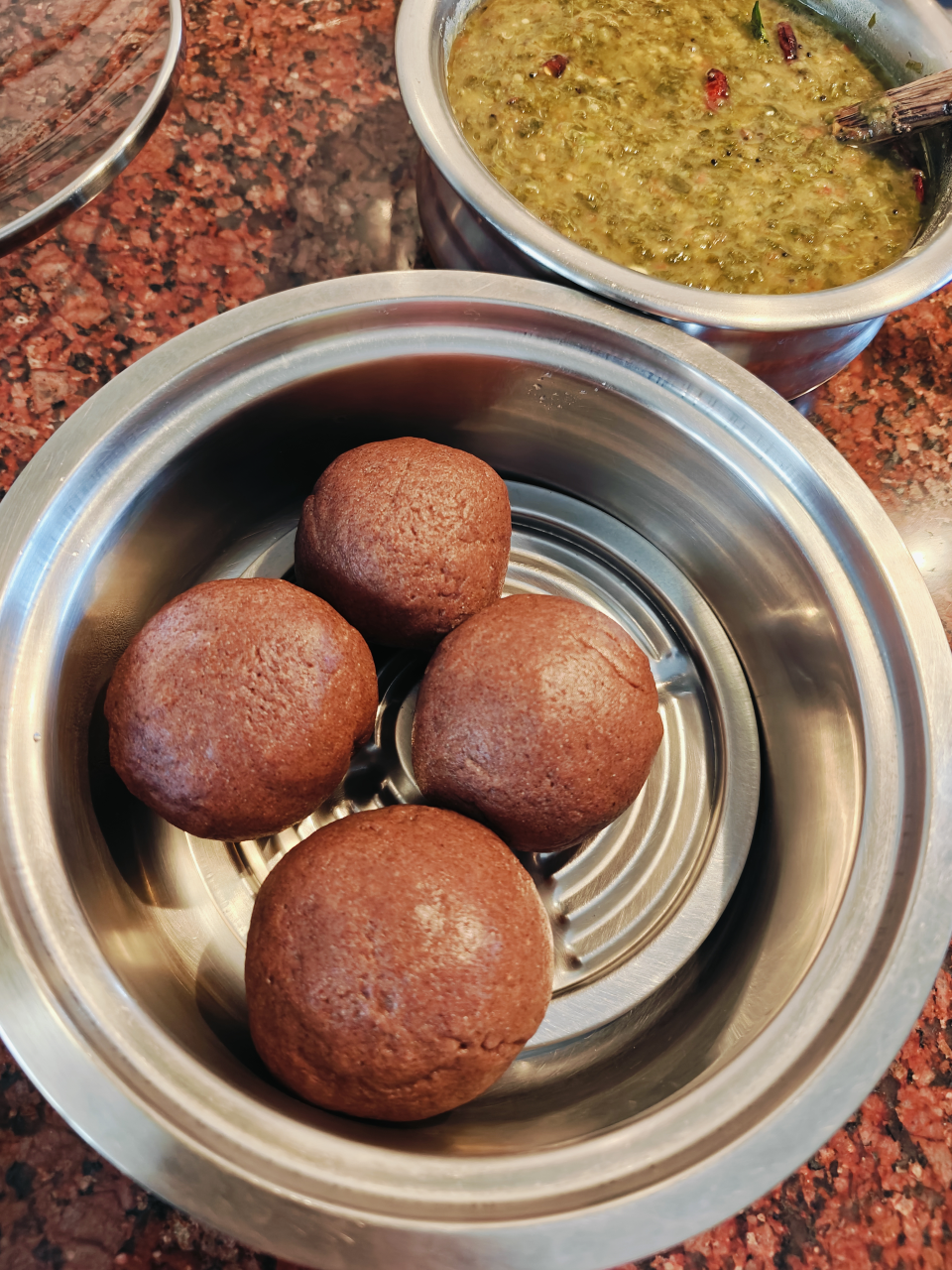
A beautiful example of traditional wisdom is the use of a mix of wild greens, berake soppu, to make nutritious soppu saaru, upsaaru (a type of sambar popular in Southern regions of Karnataka), bassaru (a traditional gravy often served with balls of ragi or ragi mudde) and palya (shallow fried mixed greens). This prevents over harvesting of one green, creates a wider nutrient profile and balances the overall taste of the curry as some greens can be bitter, some sour, and some fibrous. The rustic mixed greens curry with Ragi mudde (soft balls made of ragi, flour and water) makes for a wholesome meal meeting several micro and macro nutrient needs.
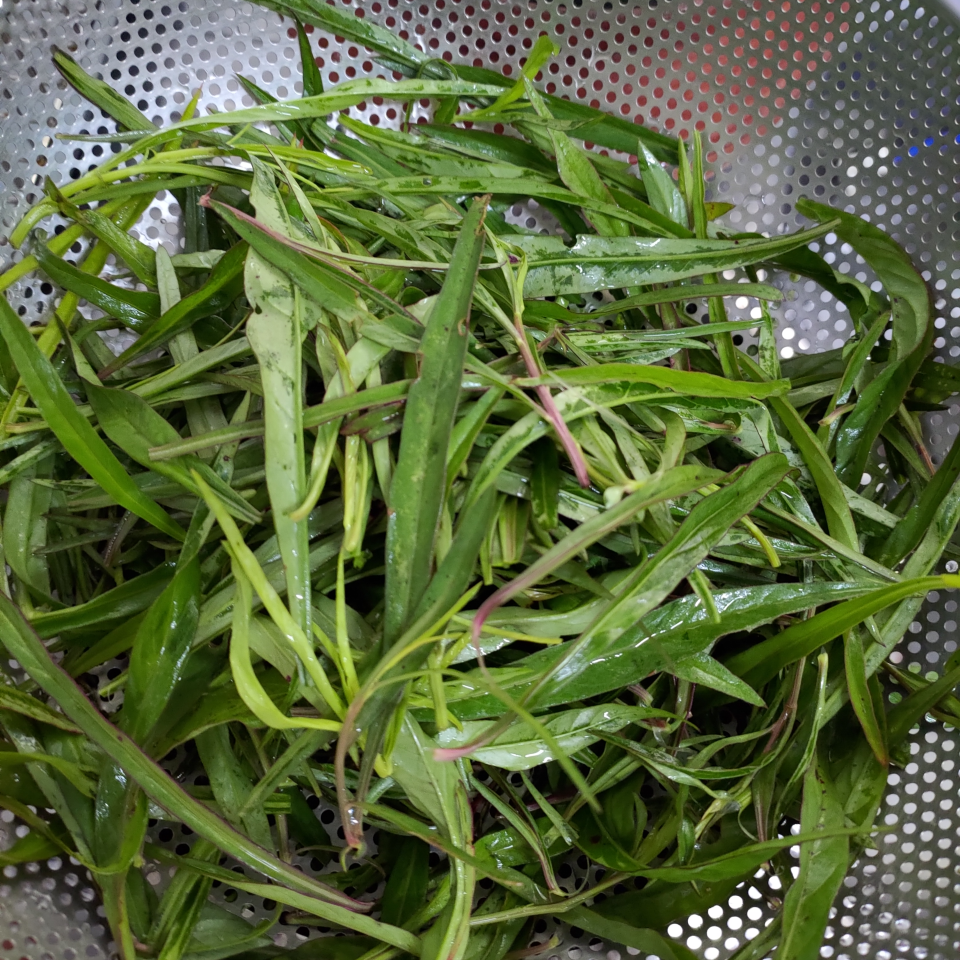
Interestingly, Anne soppu (Silver cockscomb), a wild edible green, is most commonly found growing along Ragi fields. Ragi mudde with freshly foraged Anne soppu saaru is a match made in heaven, both in taste and nutrition.
However, to start using these greens, one must first learn to see them like a forager would. Observe them, notice the colour, the shape of the leaves, flowers, the seasons when they sprout, and seasons when they flower and fruit. Talk to practitioners, find out how they use these greens. Ask them to take you around and show you how they collect them, learn recipes and try cooking with them.
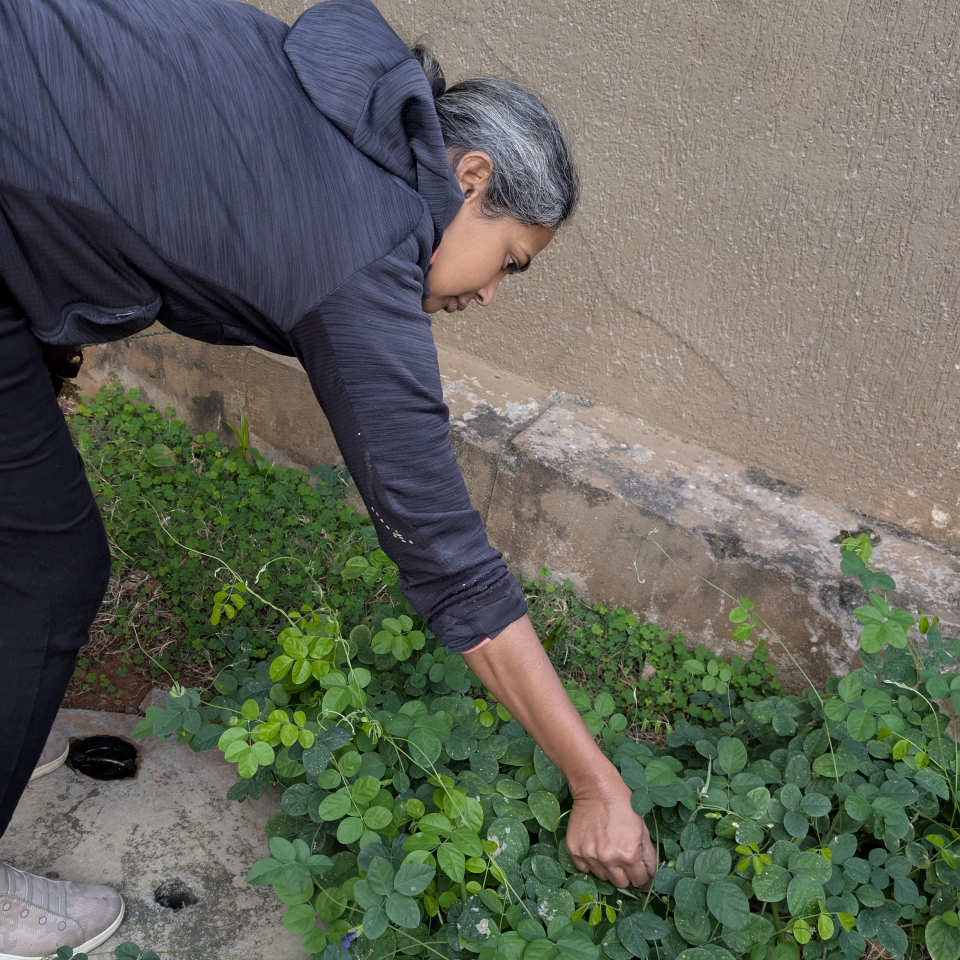
Come, take a walk with me
I will show you a few wild edible plants that you cannot miss in cityscapes.
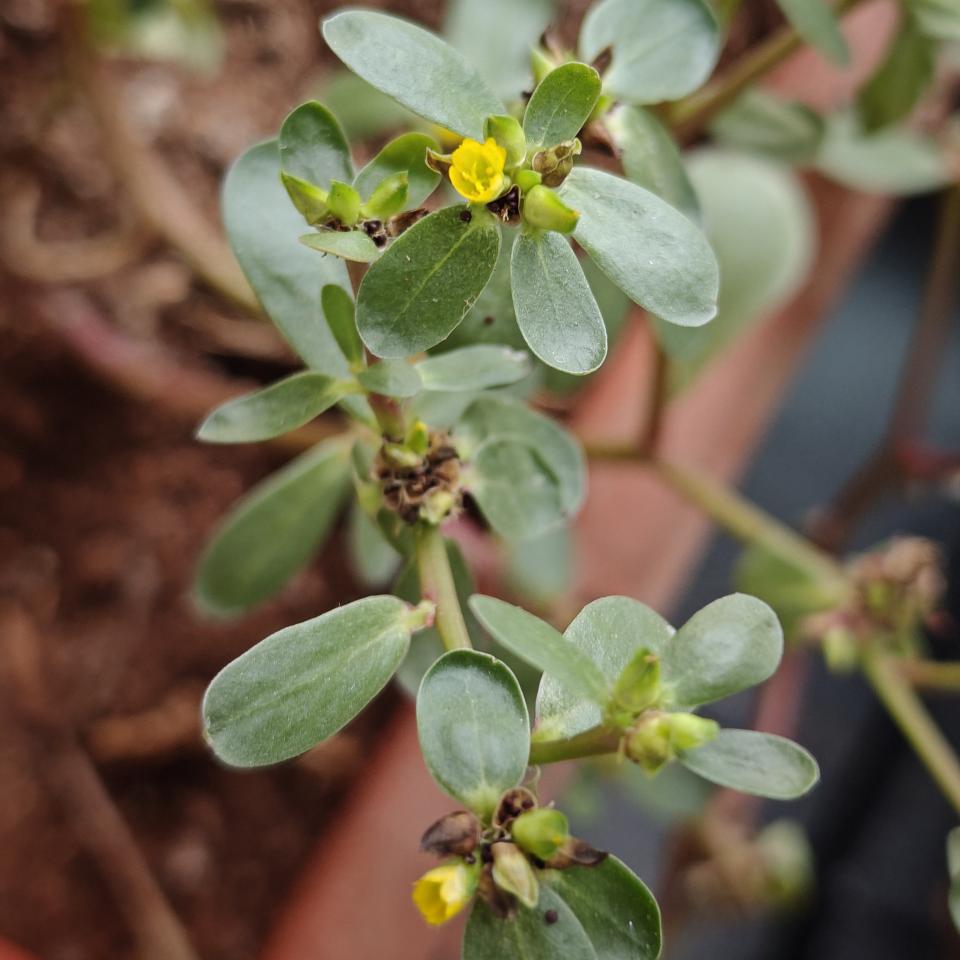
The first is Purslane (Goni soppu), a powerhouse of omega-3 fatty acids. If you pay attention, you simply cannot miss this green. The leaves are fleshy and sour and can be eaten raw, added to salads or cooked in curries and palya.
The next is the Black nightshade (Kaashi soppu, Ganike soppu, Manathakkali keerai), another common roadside plant. The leaves serve as an excellent remedy for stomach and mouth ulcers. They are often cooked as koottu (a spicy lentil and vegetable curry) in Tamil Nadu. The sweet and tart ripe purple berries can be popped into the mouth as a passing snack.
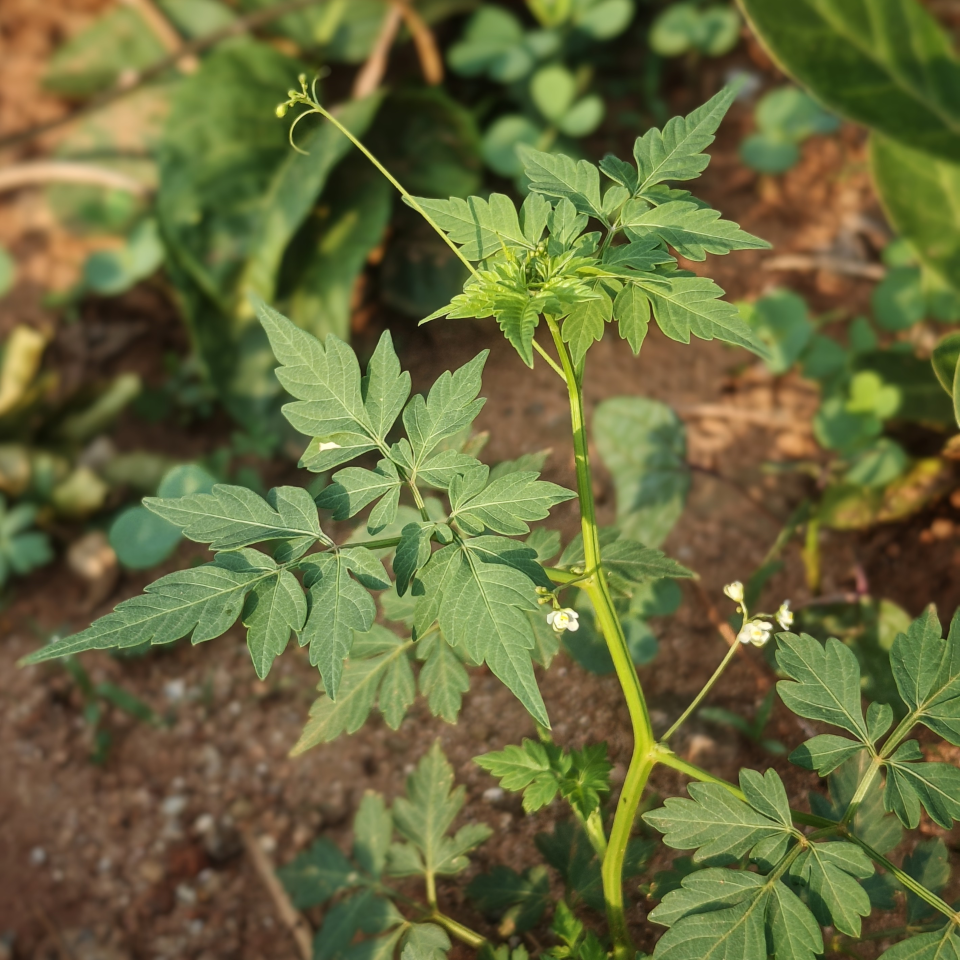
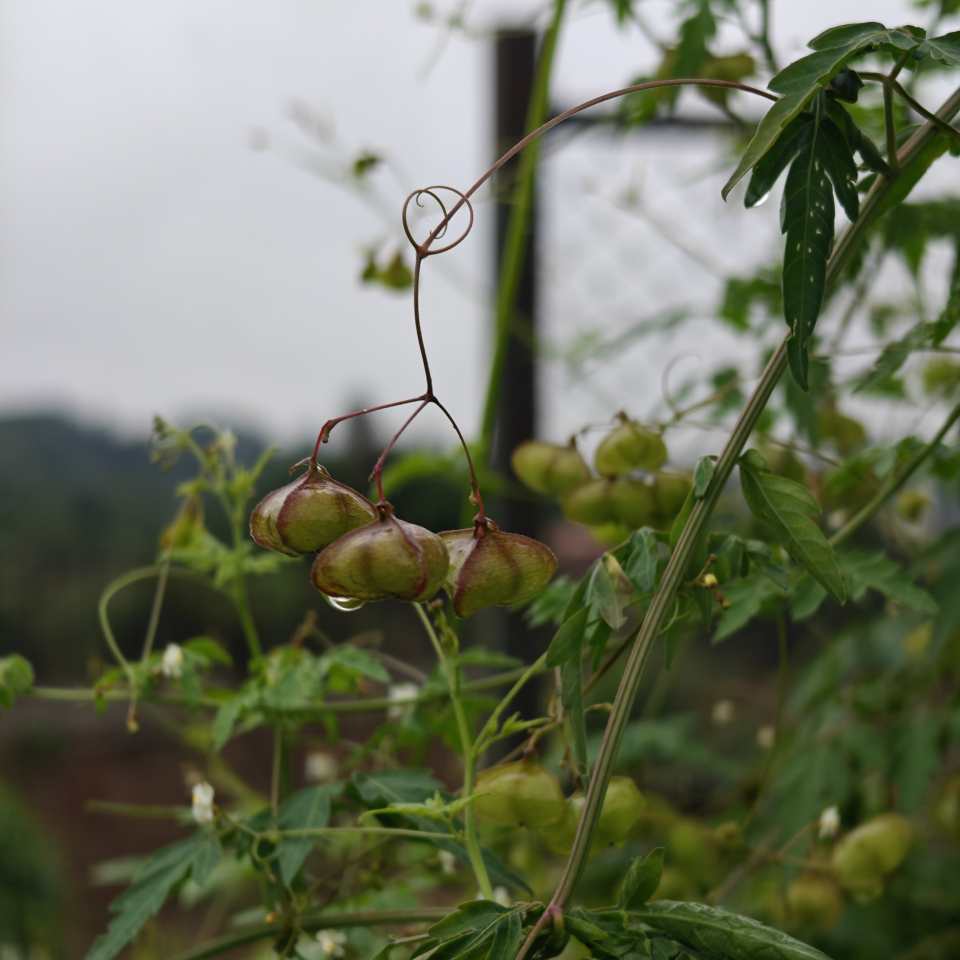
The striking Balloon vine (Budde gida, Mudaktthan keerai), with its feathery leaves and lantern-like pods is valued for relieving joint pains and arthritis. One way to consume it is to grind the tender leaves, add them to dosa batter and make green dosas. Young leaves can also be added to rasam, soups and mixed greens in curries.

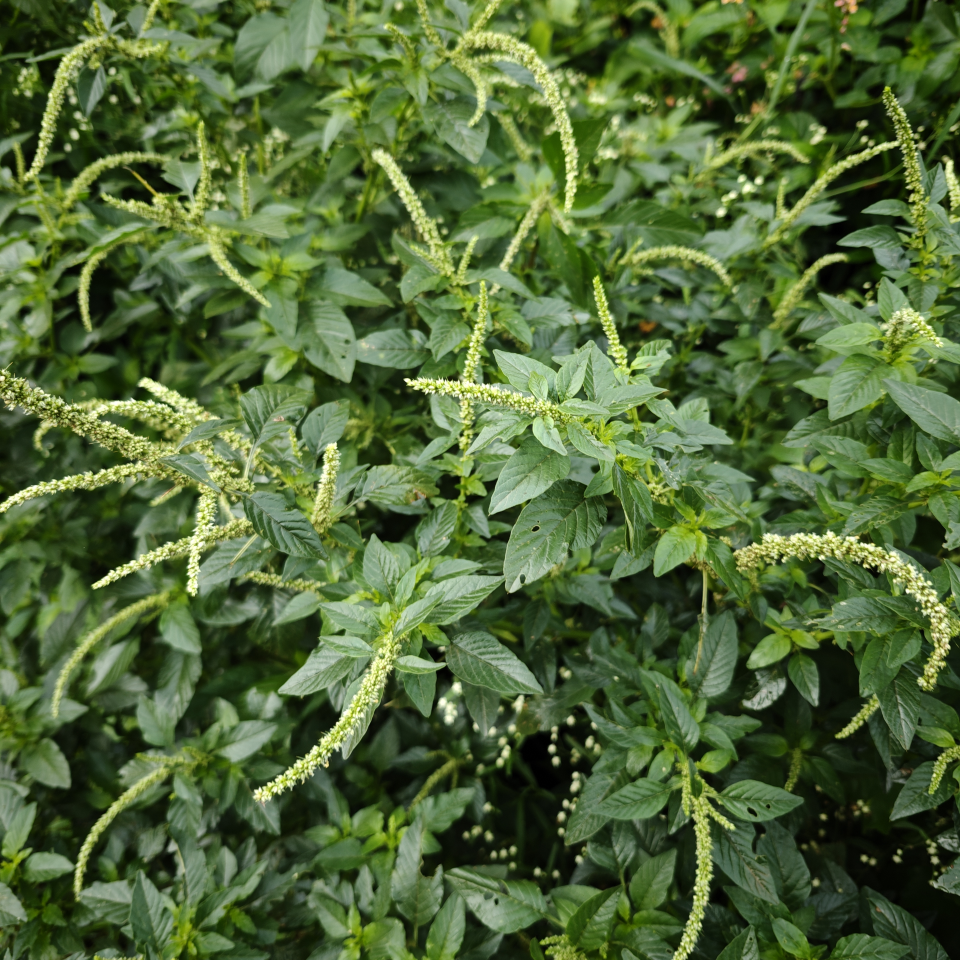
Then there is the hardy and spiny amaranth (Mullu harive, Mullu keerai), a wild cousin of regular Amaranth, Gather the leaves and make a delicious sambar, one that is much tastier than a sambar made with greens from the market.
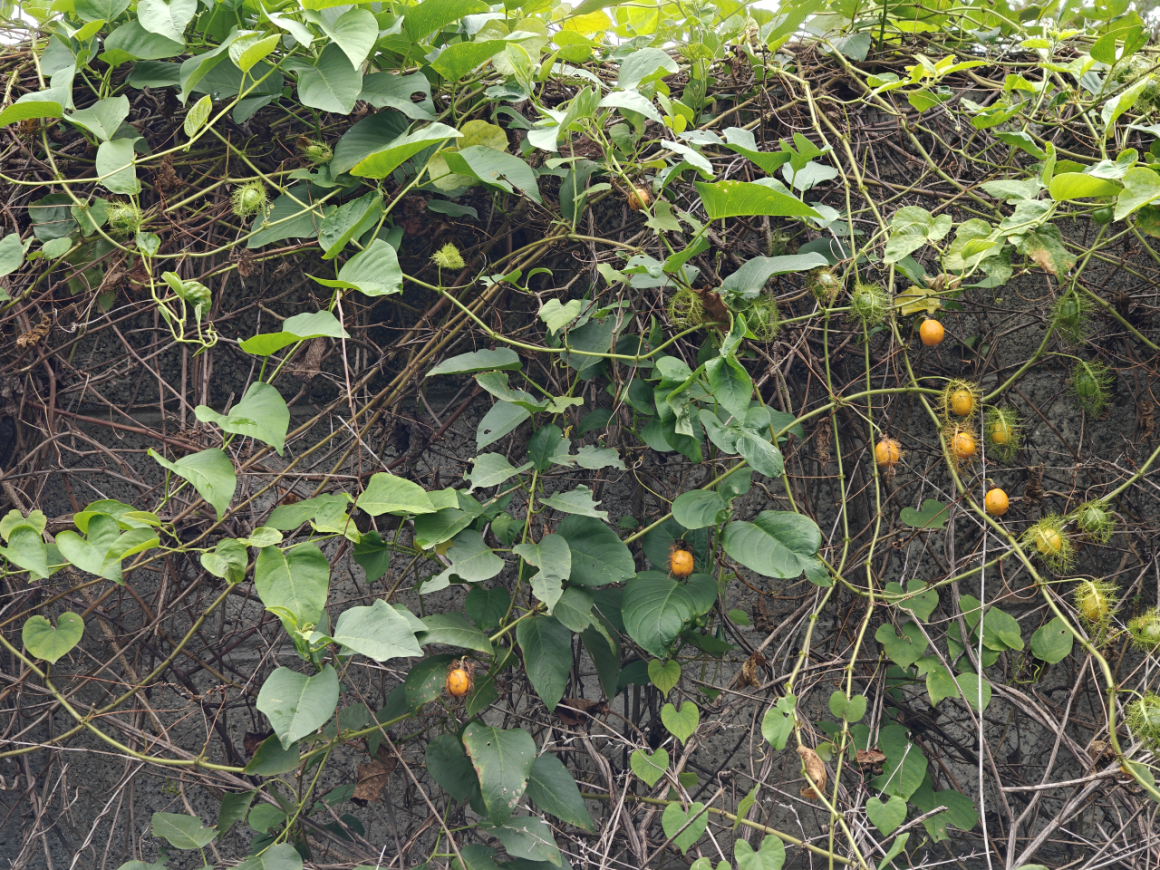
Did you know, even Passionfruit has a wild cousin? It is a plant that one cannot miss. Its pretty flowers are a sight to behold. It starts fruiting after the rainy season, and these tiny, yellow, crunchy fruits are a favourite of birds. It is also a quick and tasty snack for those who know how to identify it.
Then there are these tiny but power packed berries, one of the hardiest plants I have ever seen and which most of us fail to notice. I am referring to theTurkey berry (Sundekayi, Sundaikkai)..
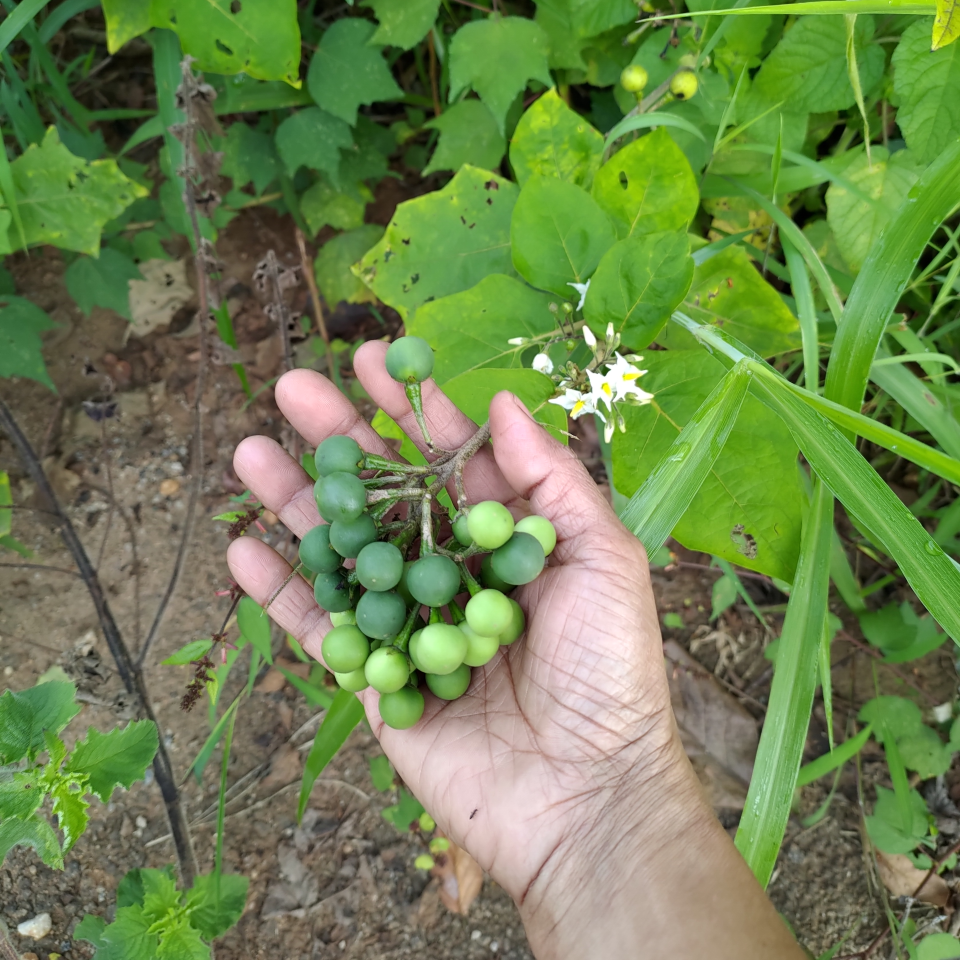
Collect the young berries, gently bruise them, wash them to remove the seeds, then cook them. You can make chutneys, stir-fries, and curries with them. In Tamil Nadu, they are cured in salted butter milk and sundried to make a dish called sundaikkai vatthal.
Greens as medicine
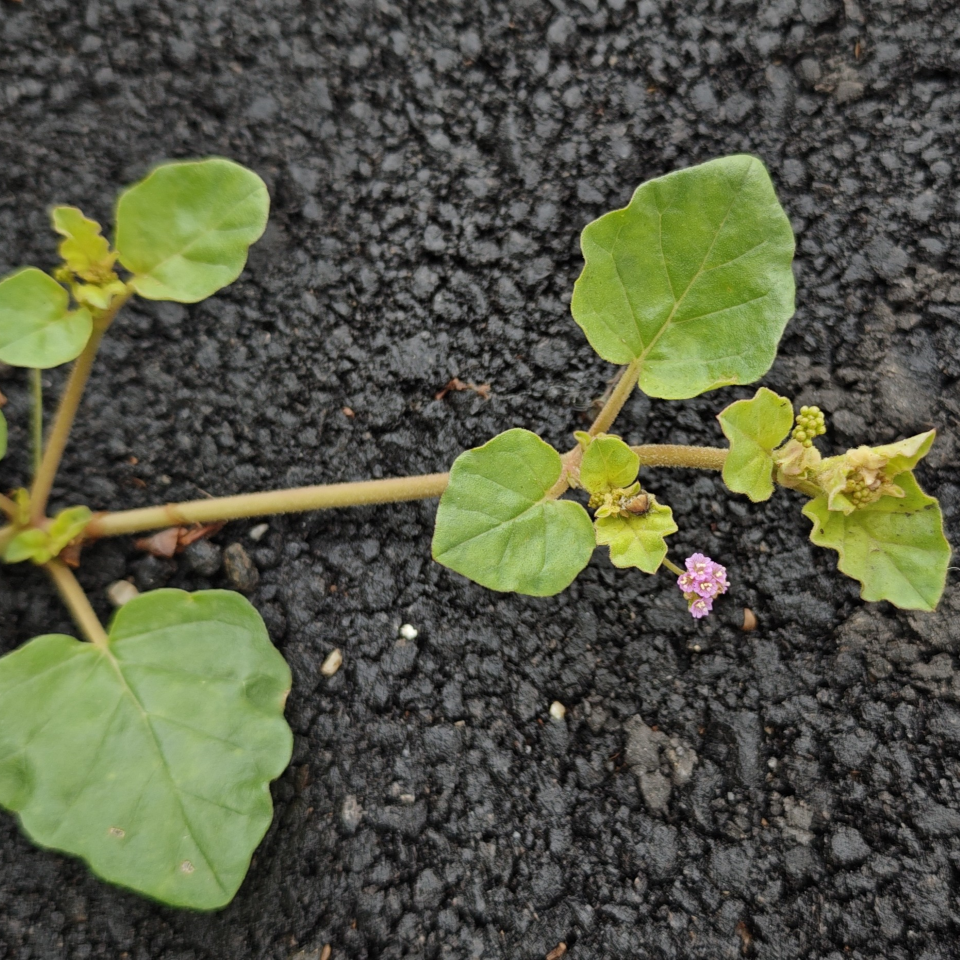
Punarnava (Komme soppu, Mookirattai keerai) is a plant that has the power to rejuvenate the whole body. Can you imagine finding it on the side of the road? Praised in Ayurveda for its healing properties, the tender leaves can be used along with other mixed greens to make sambar, palya etc.
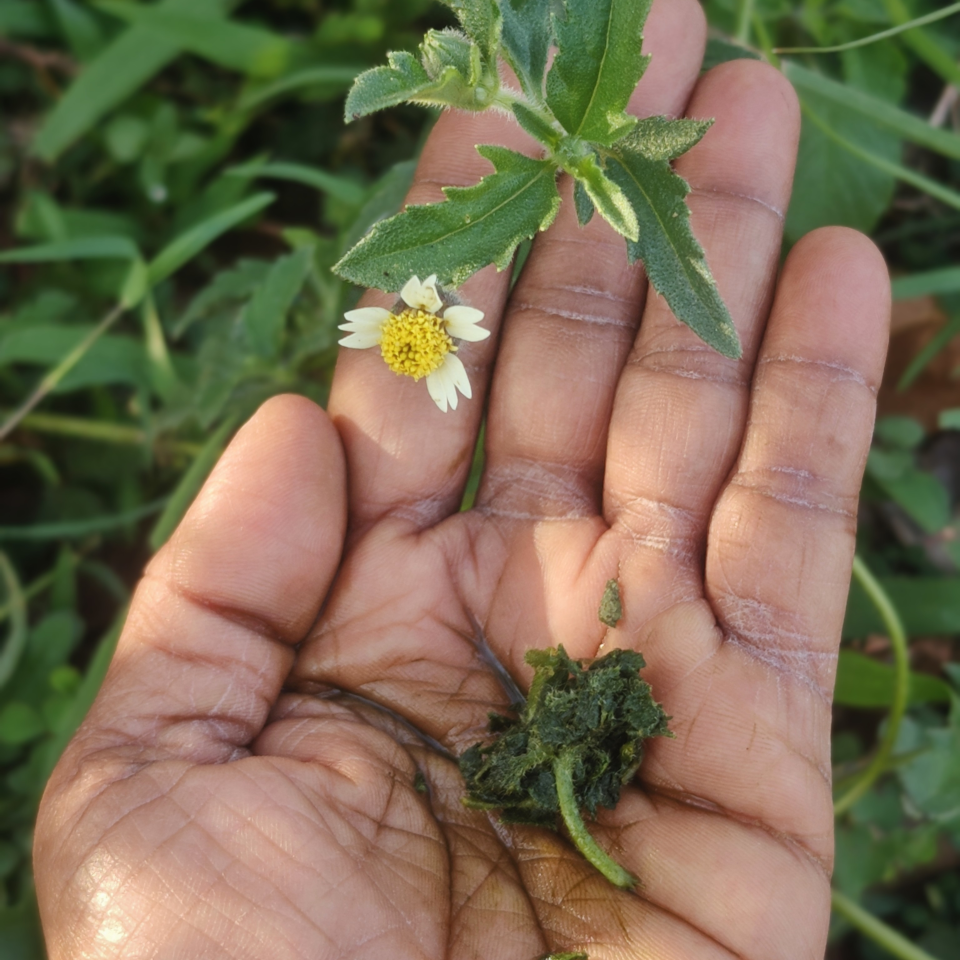
Nature has also given us many plants whose leaves can be used to treat cuts, bruises and wounds. One such is the Tridax daisy (Gabbu shanna shavanthi, Thatha poo). Just pick a few leaves, crush them on your palms, extract the juice and apply it on cuts and wounds. The anti-coagulant, anti-bacterial properties of the leaves help stop bleeding and heal the wound.
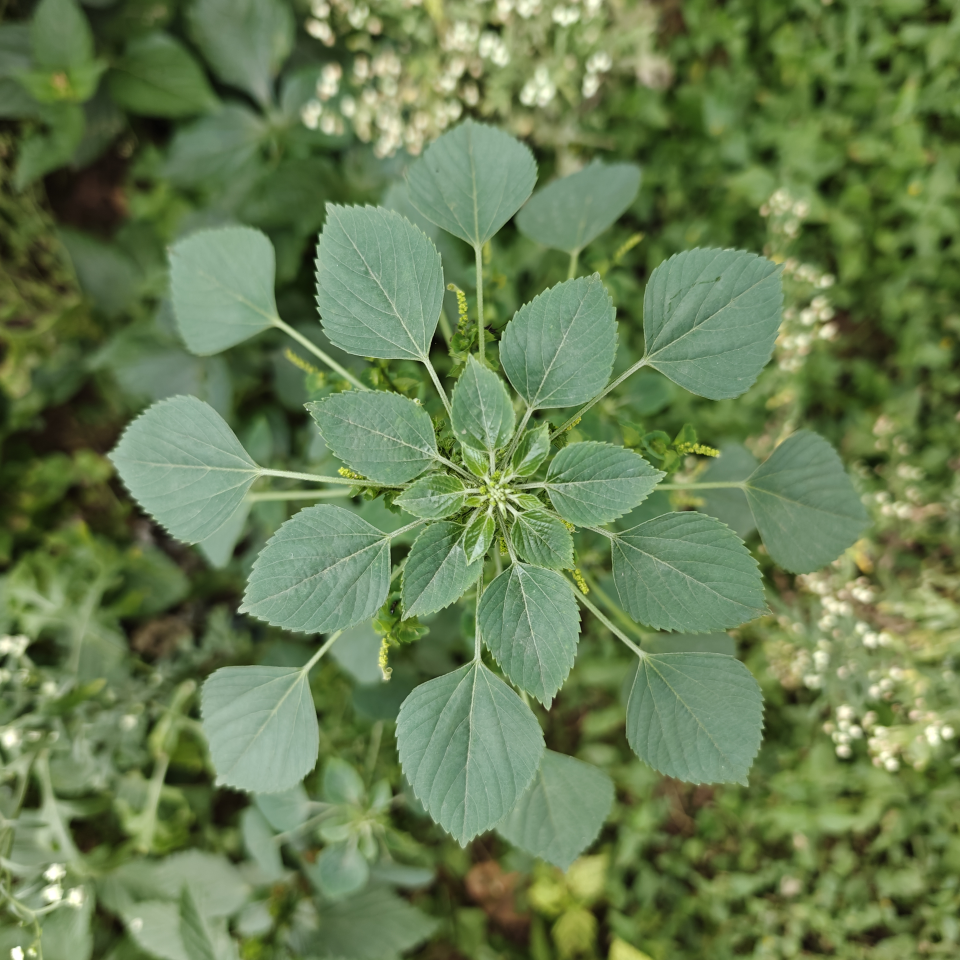
If you have a skin issue, don’t worry! Look around you to find the humble Indian copper leaf (Kuppi gida, Kuppaimeni) Make a paste of the leaves and apply it to the skin. he leaves are also edible in small quantities.
With all these plants, I have only scratched the surface. There are many more. Communities like the Soliga in Karnataka use more than 50 wild greens in their diets. Yet, even within indigenous communities, the reliance on wild foods is slowly decreasing. Deforestation, changing land use, the spread of invasive species, increasing use of pesticides have all contributed to this shift. The growing availability of subsidised staples like rice and pulses, along with migration to cities, has further distanced people from the land, leading to a gradual erosion of this knowledge.
In urban spaces, we have slowly drifted away from this deep connection with nature. With our dependence on store bought products, we have forgotten that nourishment can be found from greens growing around us — in gardens, parks, fields and roadsides.
I invite you to rediscover these edible treasures hiding in plain sight. It is also a reminder to begin responsibly — learn proper identification, gather from safe spaces, and start small.
By documenting these greens, talking about them and cooking with them, I hope to spark curiosity about foraging — the joy of gathering from nature. These greens not only nourish our body, but also reconnect us with the rhythms of the land.
Happy foraging!

Subhashini Annamalai is a translator, voice artist, homeschooling mother, and passionate explorer of wild edible plants. Through @greensofkanakapura, she documents wild greens, their uses, and the stories and traditional knowledge connected to them. She also co-hosts foraging walks and workshops with a friend through @foragingtrailsandtales.
“The views, historical interpretations, and opinions expressed in this article are solely those of the author and do not necessarily reflect the official position or stance of Bruite Magazine.”
Translations and detailed descriptions are provided to give a better understanding of the story to people from different cultural backgrounds across the globe.