
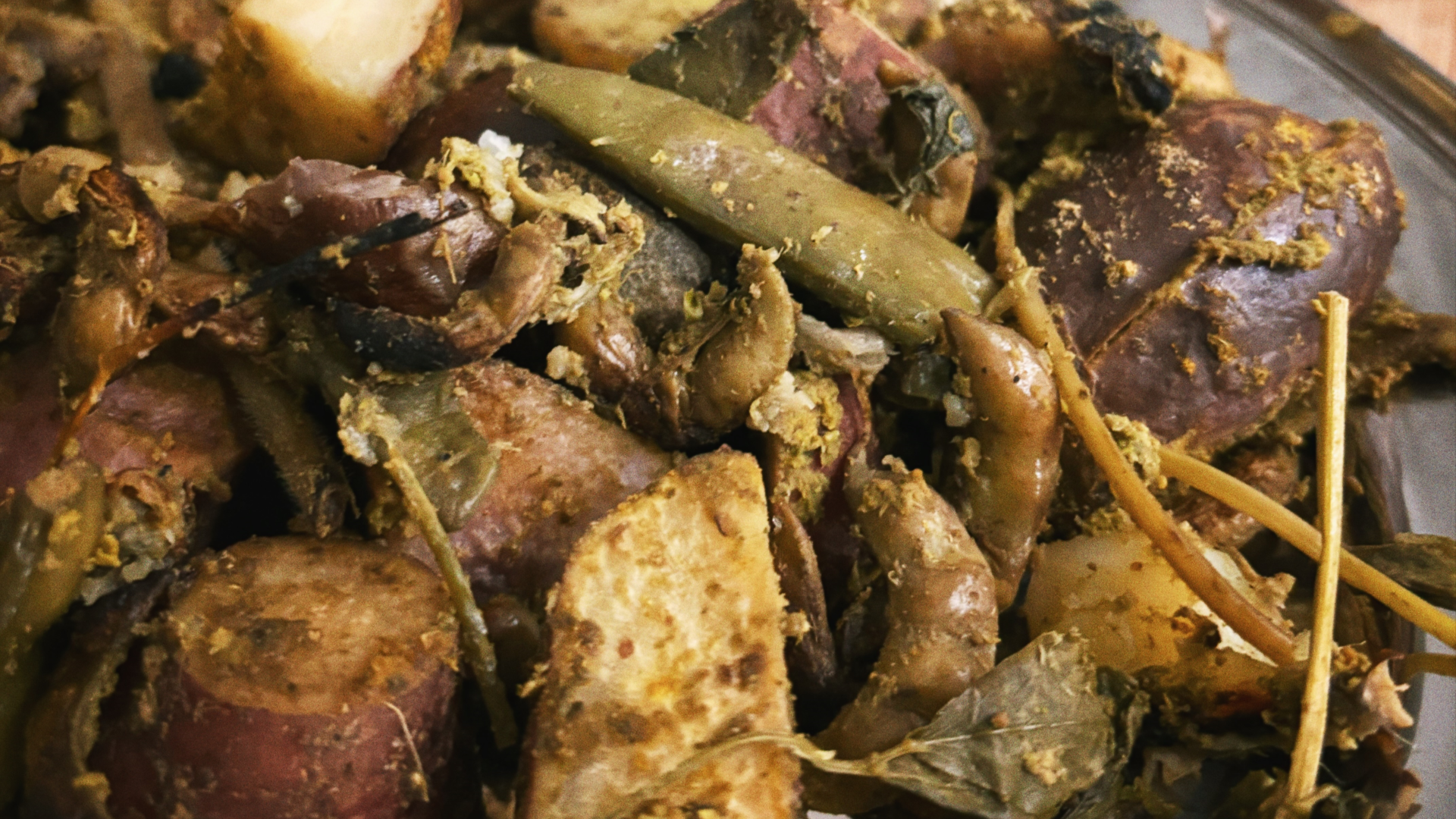
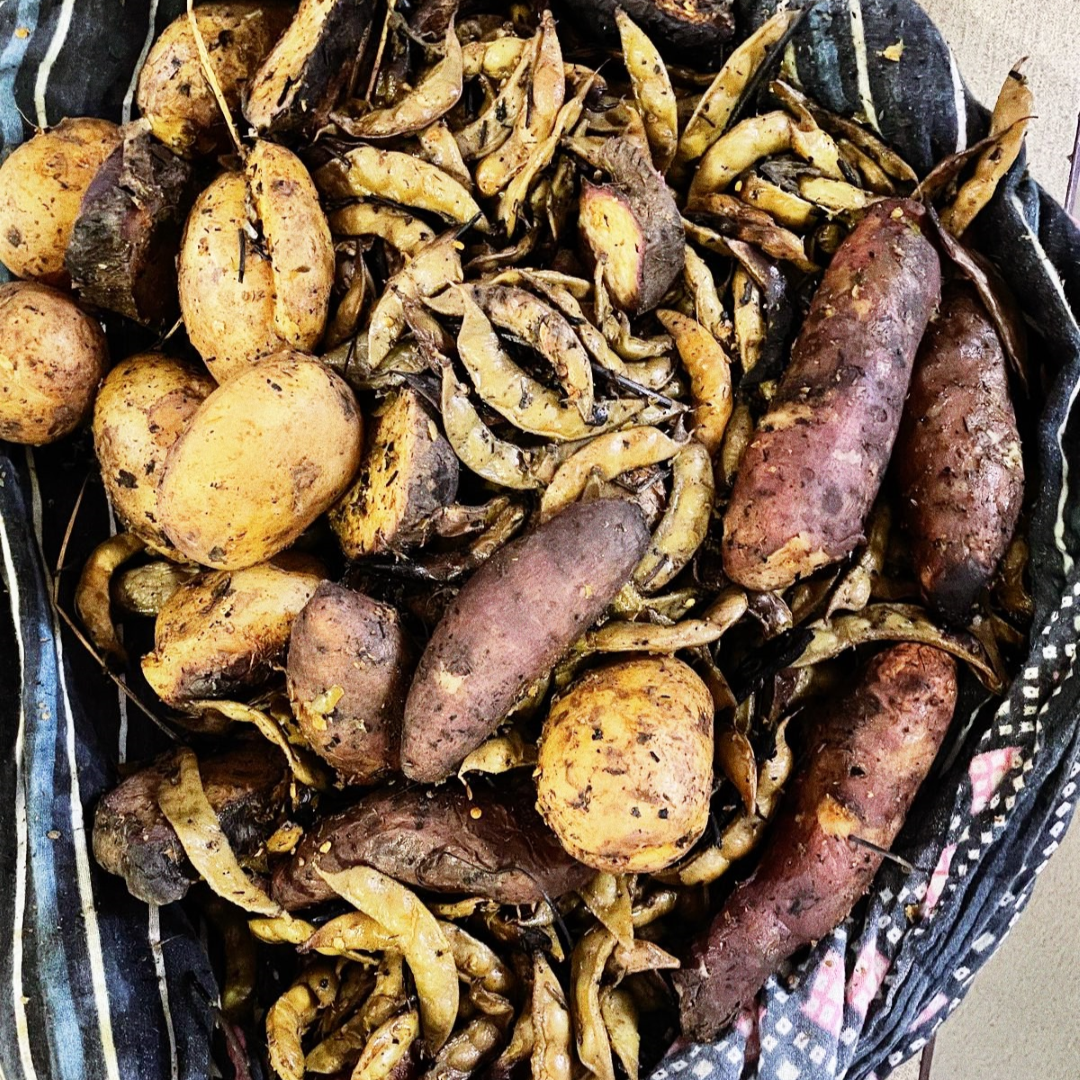
Smoke billows from the image my Dad has sent me from his paternal village near Navsari, which I am looking at on my phone on a cool January morning in London. My vision momentarily blurs, my throat constricts as if I have inhaled fumes. I swallow reflexively; as I do, the fog lifts to reveal plump beans bursting from moss-coloured jackets, pink and purple-skinned tubers, a mignonette tinge that suggests green chutney. The vegetables, with their charcoal-smudged edges, look more like a drawing than a photograph.
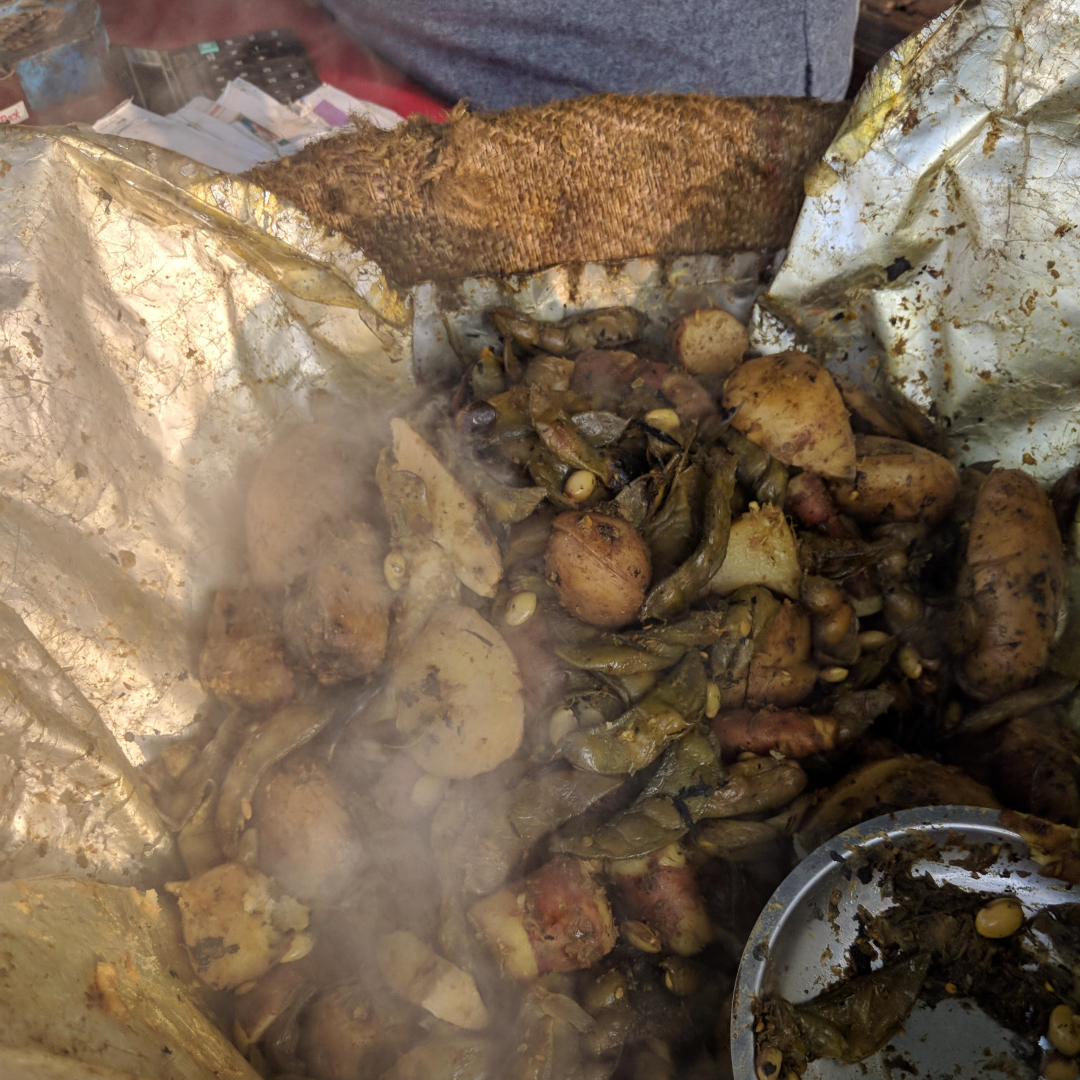
I have never eaten umbadiyu, but my body responds as if I have. As if appetite, like my name, like the shape of my nose, is a part of my inheritance. Instinctively, my fingers move to search ‘umbadiyu’, which returns pages of identical images of barbecued vegetables in an earthen pot, pictured variously with bright green chutney, jowar rotlo (sorghum flatbread), a cooling cup of chaas (Indian buttermilk). My senses collapse into each other as I try to compose the taste, a symphony of bitter nightshades punctuated by the cloying staccato of sweet potato. Like nostalgia, each mouthful vanishingly small. Can you experience homesickness for a home that isn’t really yours, that hasn’t been yours for two generations?
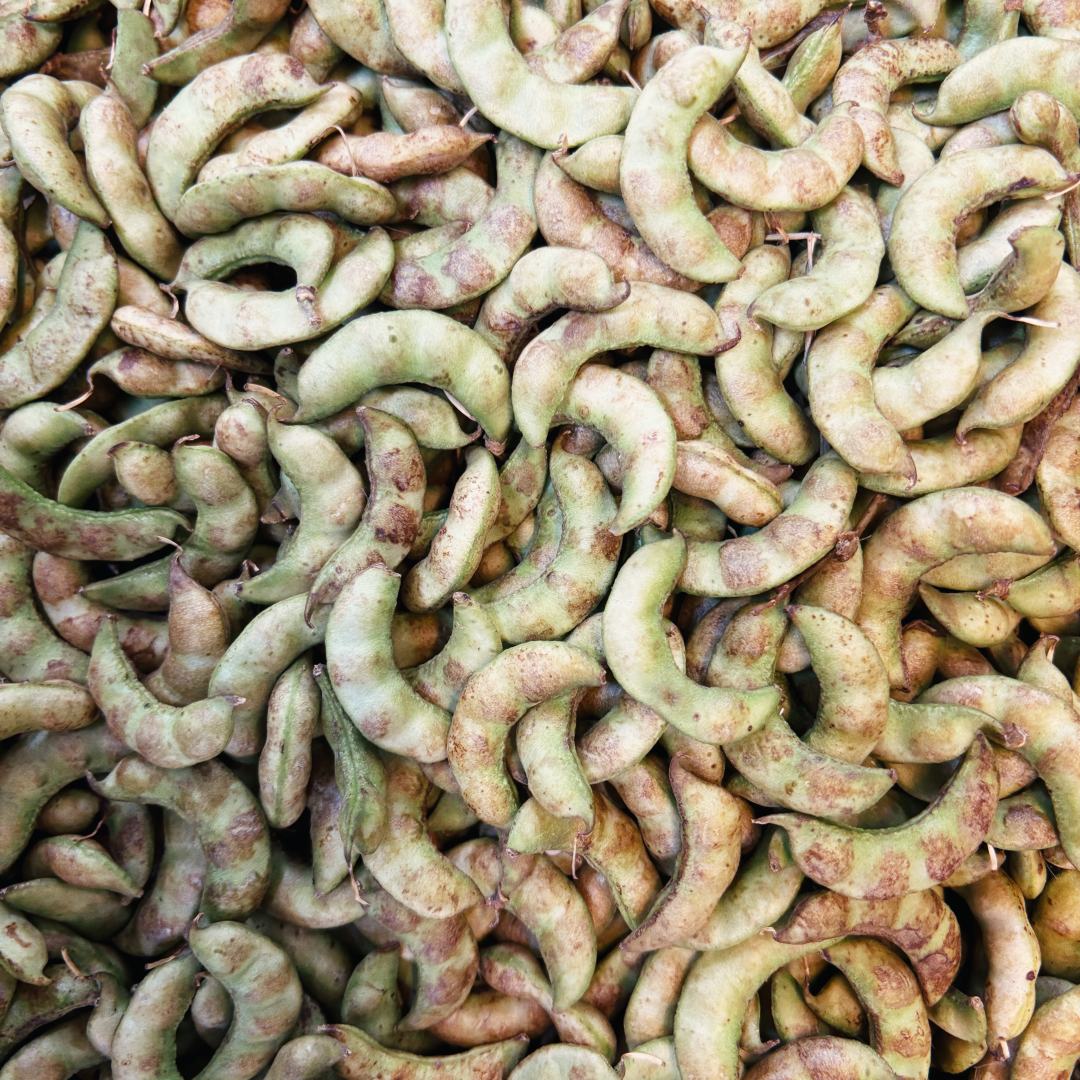
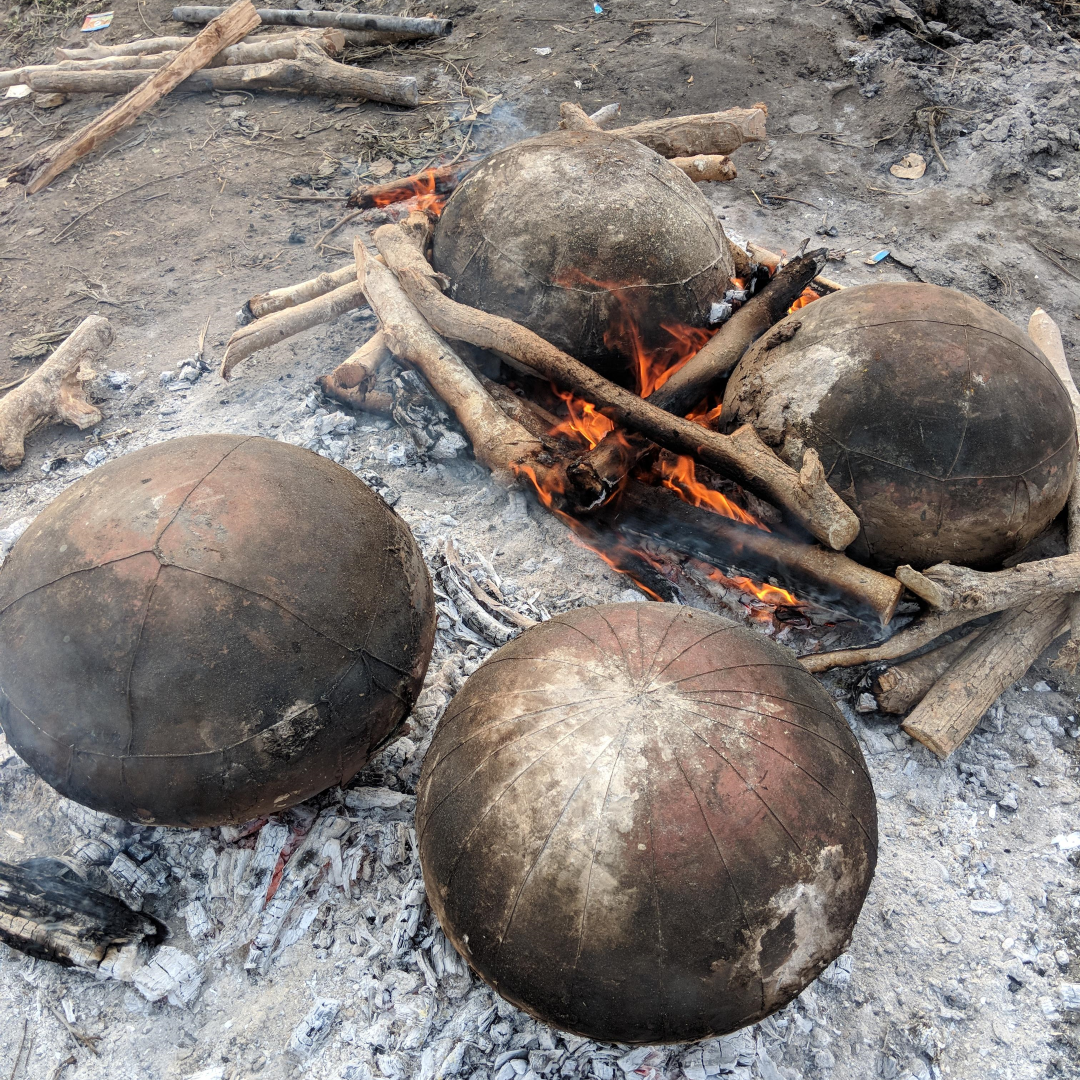
Umbadiyu is a winter dish eaten in southern Gujarat, popularised by tribal farming communities living along the NH-48 highway stretch connecting Dungri to Umargam (near Valsad). A regional variant of the more diaspora-forward Surti undhiyu, it is similarly prepared with winter vegetables such as papdi (flat beans), ratalu (purple yam), shakkariya (sweet potato) and tuvar lilva (pigeon peas). Both names allude to the cooking method; undhu means upside down. For umbadiyu, the clay pot is upturned and buried in an underground pit, concealed by dung cakes and sugarcane waste that act as fuel for the fire that envelops the earth and barbecues the vegetable mixture. The recipe needs no oil or water.
Undhiyu has more mileage than its country cousin. On uttarayan this year, virtually every Gujarati-owned eatery in north-west London was offering diners a special festival menu of undhiyu, poori and jalebi. Umbadiyu, meanwhile, remains largely inaccessible to non-rural cooks because of its need of wide open spaces for cooking, and the use of foraged grasses that are not cultivated for mass consumption. The ecological landscape along the NH-48 route features tropical dry deciduous forest and scrubland vegetation, known as kalher vanaspati, which faces growing pressures from urbanisation. It is these vanaspati (wild greens, or literally ‘lord of the forest’, invoking Śiva) that distinguishes umbadiyu from more portable street foods, which might be invented by a hawker in Surat on one day and be on sale in Wembley by the next. Perhaps umbadiyu’s restraint is nice, because it makes the world feel less small.
I tell all this to my Mum on the phone, in that excitable way that children do when they have discovered something their parents already know, as if it wasn’t a part of her archive. She explains that umbadiyu includes wild papdi varieties that are gathered while still young from around local villages, whereas undhiyu features Surti papdi and valor papdi (flat beans) produced for export in places like Surat, Navi Mumbai, Rajkot and Kenya. Papdi is used indiscriminately to denote flat beans, but is actually an umbrella term for varieties of field beans harvested in the winter months including hyacinth, lima, fava, broad beans. Mum grows wistful as she recalls the black hyacinth beans that my Baa (grandmother) used to make umbadiyu when she was a girl, sweeter than the bittersweet valor, sweeter than the British pantry she traded them for after marriage. Foods inaccessible to us as adults are often invested with an exaggerated sense of romance.
Recently retired, my parents have traded England’s dank winter for Gujarat’s more temperate climate, visiting the family and friends they have not seen for years, decades. They have reached Matwad, my Dad’s maternal village, just a few kilometres from the beach where some umbadiyu cooks go to trace Gandhi’s footsteps through the sand, collecting sea salt as they go. I ask them to describe the umbadiyu they have eaten along their journey. In Vanesa, Dad didn’t like the flavours, he found the smokiness acrid and overwhelming; in Matwad, better, less astringent, made with ratalu as big as melons, not like the knobbly fist-sized yams we get in Britain, and ‘Jain potatoes’ that grow on trees! In Surat, my Mama (Mum’s brother) brought them a sattvic version they could eat, without garlic, from a street food shack that advertises its ‘paneer umbadiyu’ on Instagram. It was only a matter of time before the changing winds of modernity fanned the barbecue’s flames.
My cogs are already turning. Before ending the call, I tell them I am going to make umbadiyu.
Over the next few days, I search online for a definitive recipe that I can adapt to my London kitchen, and instead find myself on a fool’s errand, wading through a babel of contradictory claims about the common names for kalher (Indian nettle) and kambhoi (black honey shrub), wild grasses that are stuffed inside the rim of the matla (clay pot) before cooking. Nobody can agree on the precise species, which like Indian dialects, seem to change every 10 kilometres. Then, there is the question of which cooking appliance will best reproduce the barbecue flavours of the dish. I want to make it in a clay pot on my gas stove, but where do I procure such a thing? Mum reckons a tagine pot will do, as the heat needs to circulate evenly around the pot. In Surat, she says, a pressure cooker is used in place of matla in modern Indian homes. Sesame oil, a winter crop, is sometimes added at the end, to taste.
This, I’m beginning to understand, is how the dish works. Like most vernacular recipes, umbadiyu has been transmitted orally between generations of cooks, each adapting according to what grows in their particular patch, what they can forage, who they’re cooking for, what they like to eat. The dish resists codification; it slips instead between contexts, each time performing an act of translation. Tubers like yam, taro and sweet potato are indigenous to India, but potatoes would likely not have arrived in Gujarat until 1612, when the East India Company established warehouses in Surat to house imported foodstuffs. The recipe has evolved over centuries, absorbing new ingredients, shaped by migration, trade, Gujarat’s changing agro-climatic regions; the very pressures now threatening kalher vanaspati, which for so long has provided a resilient and reliable food source during low yields.
When Foi’s (Dad’s sister) umbadiyu recipe arrives in the family Whatsapp group, it is as if we are participating in that same informal ritual of transmission. Foi is the matriarchal cook, the aunt at whose elbow we learned how to cook, and how to eat too. Her recipe is generous, but curiously silent on the botanical ingredients, too specific to a landscape to warrant translation. The emphasis is on ajwain (carom) as the dominant flavour, which helpfully narrows the search radius for the elusive kalher vanaspati. Ajwain is pungent, bitter, peppery, pairing well with heavy, starchy flavours. Kalher, I read, is similarly bitter and pungent, complementing the smokiness of barbecue. But even here, the contradictions abound. Ajwain is often called Bishop’s weed, even though it’s not a weed, nor is it Aegopodium podagraria. Carom seeds are not seeds but fruits.
The next time I speak to my parents, they have reached Vadodra. Even they hesitate, offering different descriptions of kalher. It feels like we are circling around the truth, fingers trying and failing to grasp at unyielding roots. Mum says she pointed it out to my Dad as they drove northwards on the NH-48 from Navsari, wildflowers growing beyond the roadside like a weed. ‘Indian nettle’ (Acalypha indica) is how I’d seen it described apocryphally online, prompting allusions to stinging nettle (Urtica dioica). “What’s that?” asks Mum, as Dad and I jog her memory of the nefarious tooth-edged weed that sprouts up everywhere in parks and grassy verges in England. “No, that’s not it,” she replies, and after a few moments, “see if you can find something that smells like ajwain.”
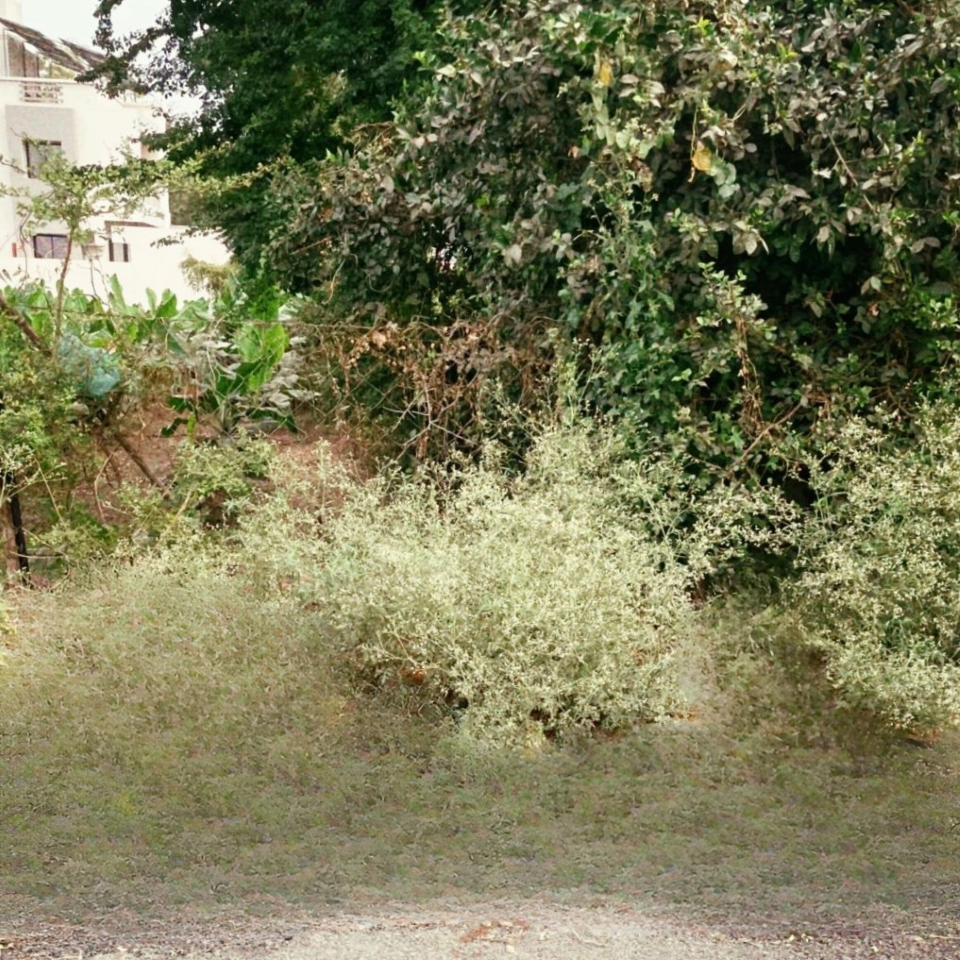
I continue looking online in the hope that if I can figure out what kalher vanaspati is, I can more easily find a substitution. Blumea lacera is mentioned in several journals, an Ayurvedic herb with a high thymol content and ajwain-like odour, but I can’t find a common name. One recipe calls for Burandu weed (Indian globe thistle), not kalher, another calls for cabbage leaves. Yet another source says simply, “you can use banana leaves to line the bottom and sides [of the matla]”. Kambhoi meanwhile, black-berried featherfoil (Phyllanthis reticulatus), has no obvious congruents. The fruits of the woody black honey shrub are considered famine food, providing an important nutrition source during times of scarcity. I’m told they taste like sour grapes.
One morning, it comes to me like a chimera. There are some things you don’t notice until you do, and then they are everywhere, as slippery as plant taxonomies. Only a month ago, I’d eaten Cuban oregano in Rome without knowing what it was. It arrived as a garnish on barbecue poussin, and I remember being taken aback by its intensity, inexplicably woody and delicious. It turns up again in a search result, this time as a misnomer, appearing as the ajwain plant or ‘Indian borage’. It’s not, of course, but both species share the pungent thymol aroma, which is good enough for me. I call up a few local garden centres to no avail, then order some cuttings via Etsy from a grower in Hebden Bridge, which arrive by post a few days later.
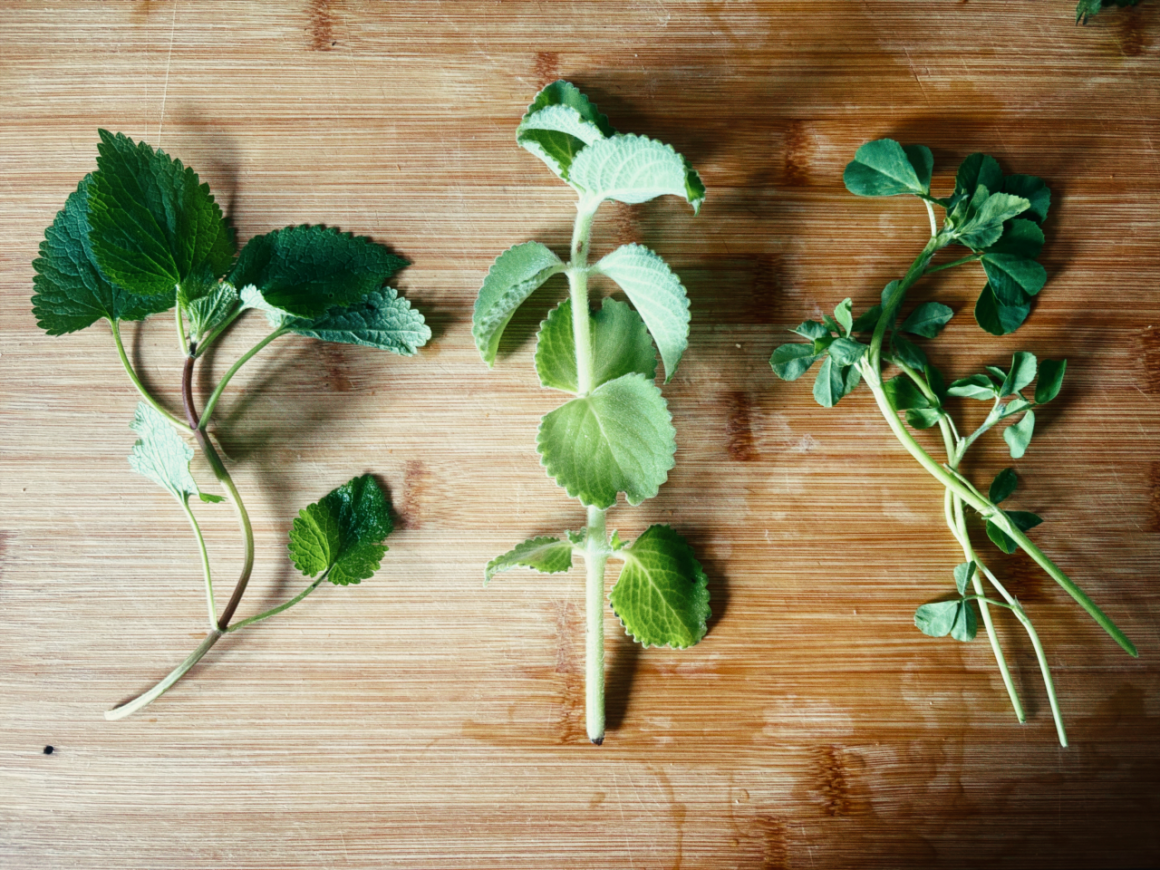
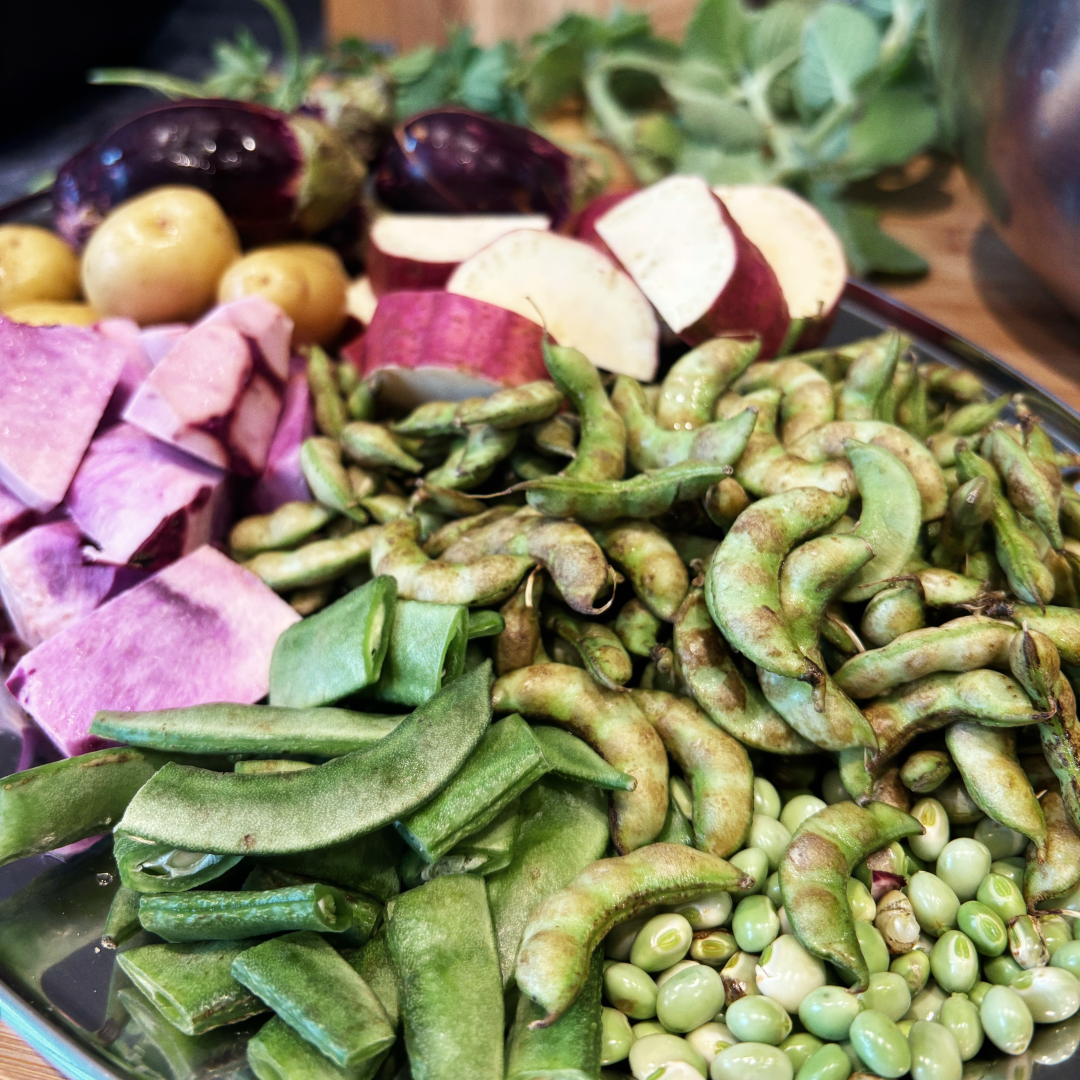
In the videos I have seen, umbadiyu cooks use whole sprays of wild grasses to pad and seal the clay pot, but I only have a few meagre cuttings, so I include common nettle I have foraged from a nearby green space and blanched to remove the sting. From my Indian greengrocer I buy ratalu, one of the many ingredients diaspora kids grow up eating but don’t know how to say in English, and sweet potatoes with white flesh, young potatoes, round aubergines called ravaiya, ‘for stuffing’. There are no wild papdi here, only export varieties of Surti papdi and Kenyan valor. I also buy Indian green garlic, which could be mistaken for spring onions were it not for the distinctive wild allium smell, used to marinade vegetables for umbadiyu.
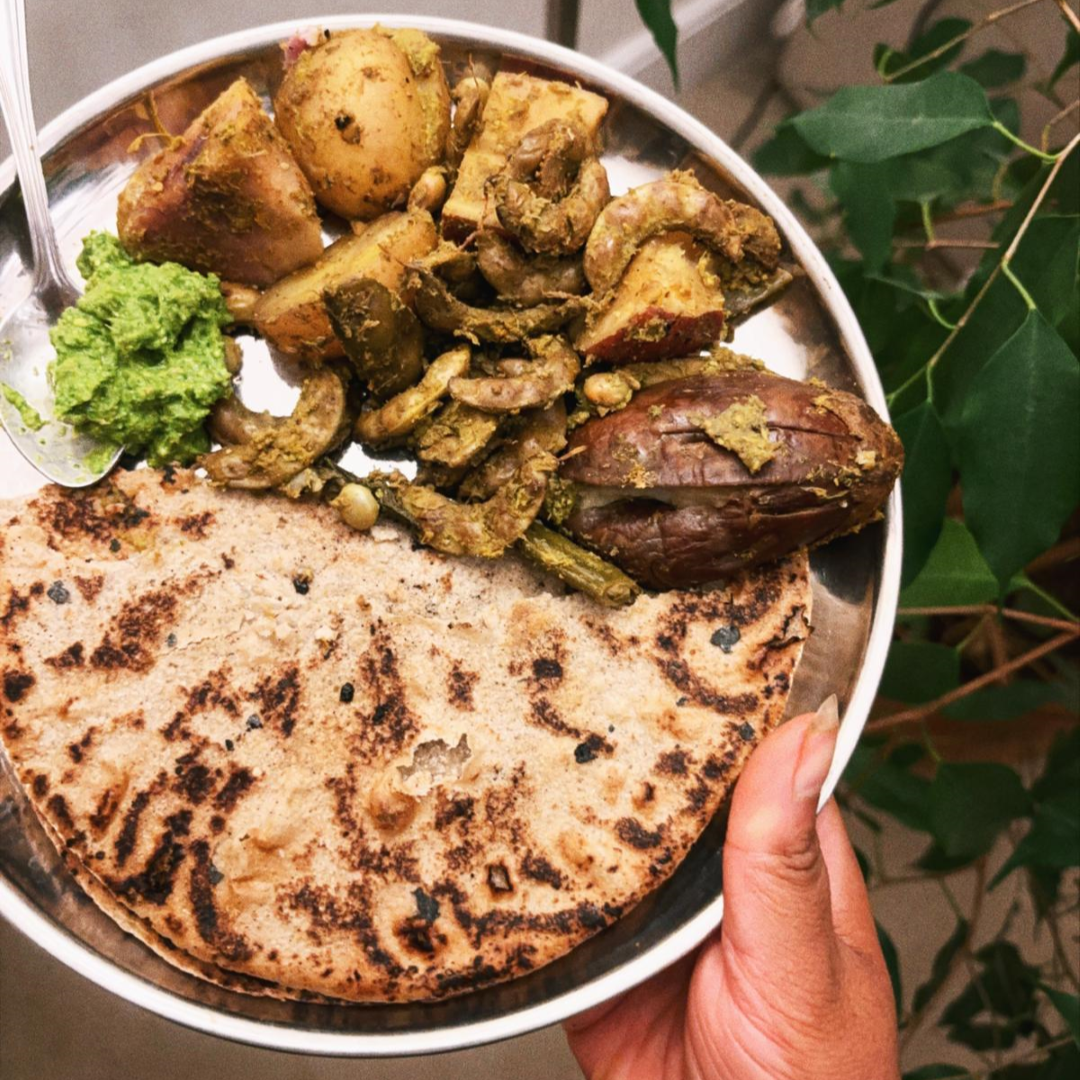
Finally, on a day when it rains incessantly, I make the recipe. I blitz up a green chutney from ginger, green chilli, peanuts, lime, coriander leaves, garlic greens and salt. I cut small slits in the potatoes and aubergines before stuffing them with the chutney. I season the vegetables and legumes mixture with turmeric, ground cumin, ground coriander, ajwain and a pinch of smoked salt, to compensate for the lack of direct heat source. In the matla, I make sure to pack the vegetables and grasses tightly like in the videos I had seen, before sealing it with dough. The umbadiyu cooks slowly, for hours, in a clay pot on a gas hob.
When I open the pot seal and lift out the reeds, my face is blasted with vapours instead of smoke, though the woodiness of smoked salt nearly convinces me otherwise. The vegetables are soft, lightly roasted, mostly-green instead of mostly-charred. Something between undhiyu and umbadiyu, perhaps, between the smokiness of the latter and the sweetness of the former. The bottom of the pot is burnt, which infuses the whole dish with an acridness, as if it has been cooked on the barbecue. At some point my husband pops his head around the door and, wrinkling his nose, gently asks if I’d like him to move the pot out to the garden, maybe? Next time, I’ll add a little water to the matla.
It is a strange, self-fulfilling process. When all is done, I couldn’t tell you whether it tastes more or less or nothing at all like the umbadiyu I had seen in all the photos and videos, having no frame of reference beyond what I imagined it would taste like when I saw the smoke billowing across my screen for the first time.
There is nothing noble or romantic about reinventing a recipe with all the wrong ingredients. I am not practising sustainability; how can I, when I inhabit a different ecology to the one umbadiyu is rooted in, thousands of miles away? But something has been transmitted across that distance. Not a recipe per se, but a way of paying attention. Kalher vanaspati are uncultivated crops, which is why they provide reliable nutrition during lean years, why they matter beyond their pungent contribution to flavour. They are the species that survive when other things fail, the grasses my ancestors knew to forage when those with land and status ate from granaries. Foodways that never made it into cookbooks, that were not codified by brahmin cooks or court kitchens, passed between generations who understood scarcity intimately.
Today, rising food insecurity is the spectre that looms over much of the planet. Globalisation has allowed us to stop paying attention to what grows where and when, privileging contemporary tastes untethered from any landscape, our gazes, much like our distended stomachs, stubbornly oriented outwards. As I fall down an Instagram rabbithole of tourists eating umbadiyu from roadside shacks along the NH-48, a common refrain is that it’s “very healthy”, although you don’t get the sense that this was ever a diet food as much as a way of insuring against paucity, of never going without.
Record temperatures in these zones now threaten the livelihoods that depend on them. My Mum casually mentions there is less ponkh (young jowar grains) available in street markets this winter due to unprecedented rainfall, affecting wheat, potato, groundnut, maize and rapeseed, as well as traditionally hardy crops like jowar (sorghum) and bajra (millet). The knowledge of how to survive a failed harvest is not lost all at once but imperceptibly. My Mum knows which roadside plant is kalher but her children do not; her grandchildren may never think to ask. What else might we lose if we can no longer explain the past, if we forget how to be resilient ancestors?
Could diasporic Indians play a role in preserving the place-based knowledge that provided succour to our ancestors, whose communities lived in harmony with the seasons and beings around them, even as tastes shift with time and migrations? Not by recreating recipes exactly (we can’t, and perhaps that’s not the point) but by preserving the sensibility that created them. What matters, I think, is what travels underneath the recipe.
When I talk to my parents again, they have moved further north to Anand, 200 kilometres outside of umbadiyu’s catchment zone. It is February, so it’s nearly outside the catchment season too. They are eager to know if I have made umbadiyu, if my recipe has succeeded. “It’s hard to answer that,” I say, “seeing as I’ve never tasted the real thing. But I enjoyed cooking it, it tasted good. So yeah, I guess you could say it was a success.” I send them photographs and they agree it looks very similar to the umbadiyu they have eaten in Gujarat, and not to worry about burning the bottom, this happens.

Usha Bhalla is a second-generation Gujarati who cooks, eats and writes in London. Her writing focuses on food, place, and the distance between them. Usha is a senior leader in a UK organisation that catalyses finance flows and delivers nature-based solutions that support regenerative land management and ecosystem resilience. You can follow her on @ushbhla.
Translations and detailed descriptions are provided to give a better understanding of the story to people from different cultural backgrounds across the globe.