
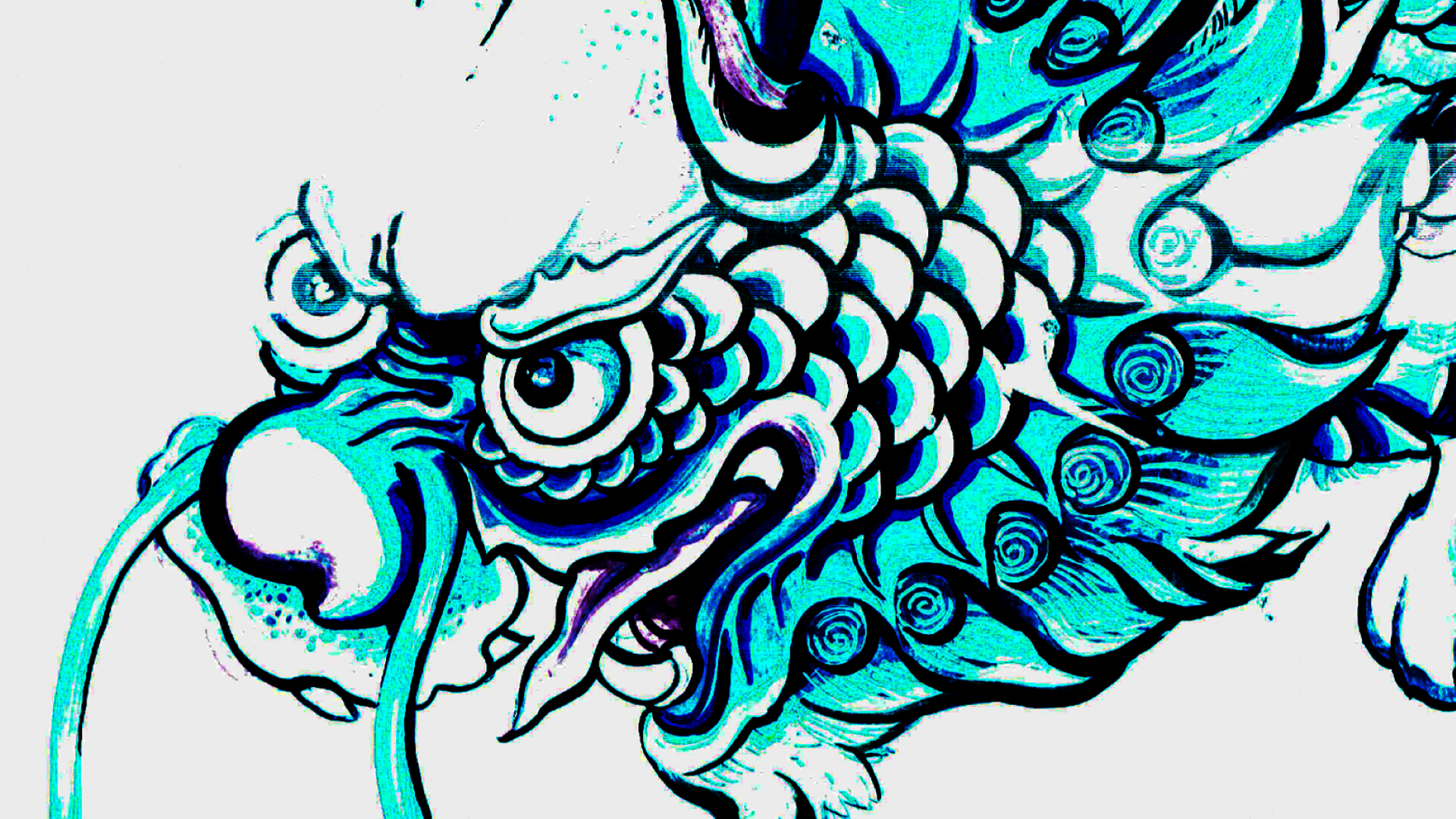
In Malaysia, I met an old man named Paul, who travels the world collecting vintage items – old currencies, advertisement labels, and handwritten letters from the 1950s. Holding a letter so fragile that it felt like it might tear at the slightest touch was overwhelming. I found myself trying to read sentences whose ink had nearly disappeared, imagining the lives they once belonged to. I spent a long time talking to Paul, and he pointed out a similarity between what we do.
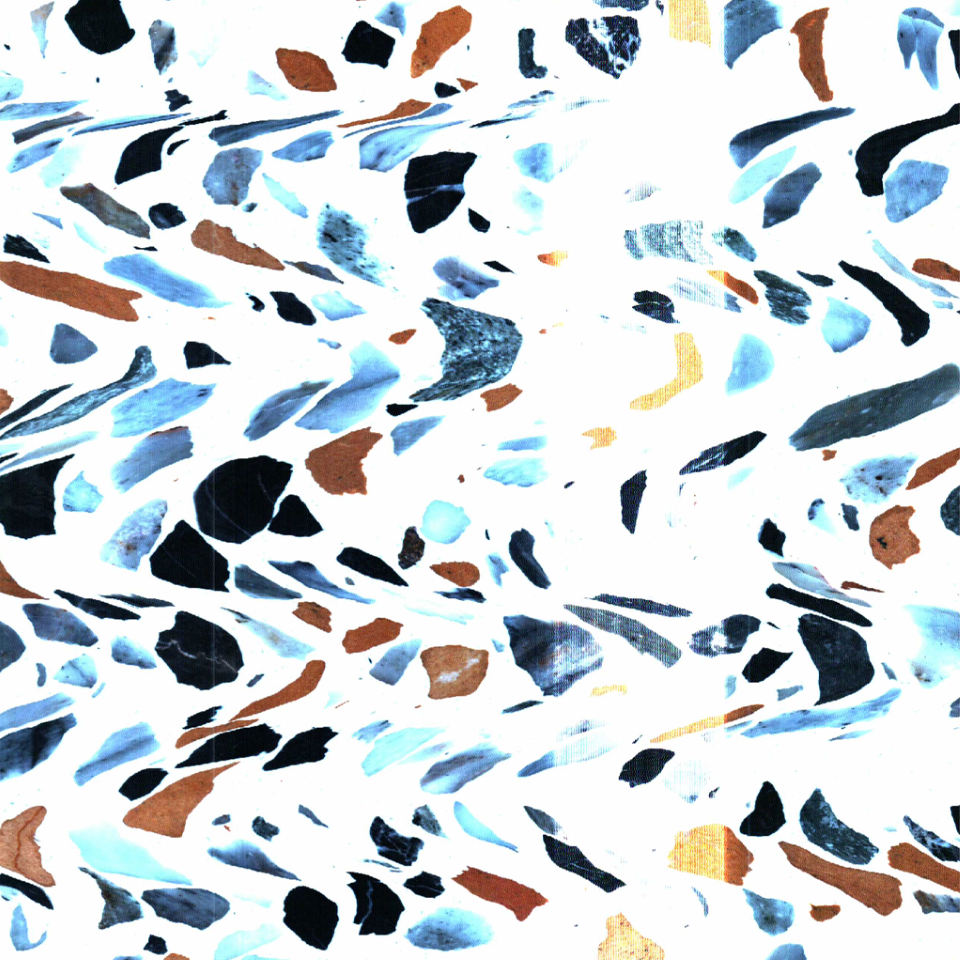
I had travelled with my scanner and my intention was to capture the feel of the country. I wanted it to be more intimate than photography – to record texture, imperfections, and rawness, rather than focusing only on composition or what immediately stands out.
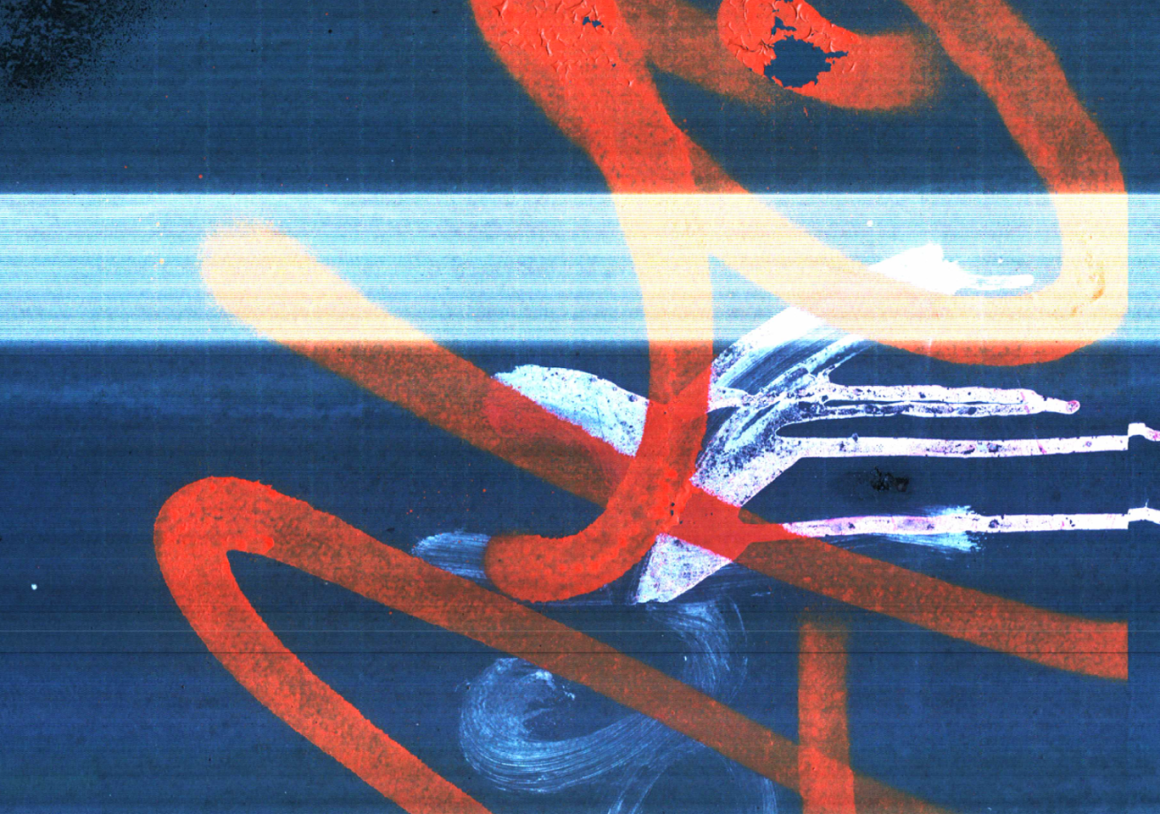
Malaysia is full of beautiful murals. There were always people gathered around them, waiting in long queues to take pictures. The murals were gorgeous and it was wholesome to see them getting the love they deserved, but standing there, I began noticing how much else was being overlooked in the same space – the patterned tiles on the road people were standing on, an abandoned shop beside the mural with quiet designs on its shutter, graffiti on a half-broken wall across the street, a sun-bleached signboard fading into near illegibility. There was so much art all around, layered with detail, yet almost invisible because it wasn’t framed to be noticed.
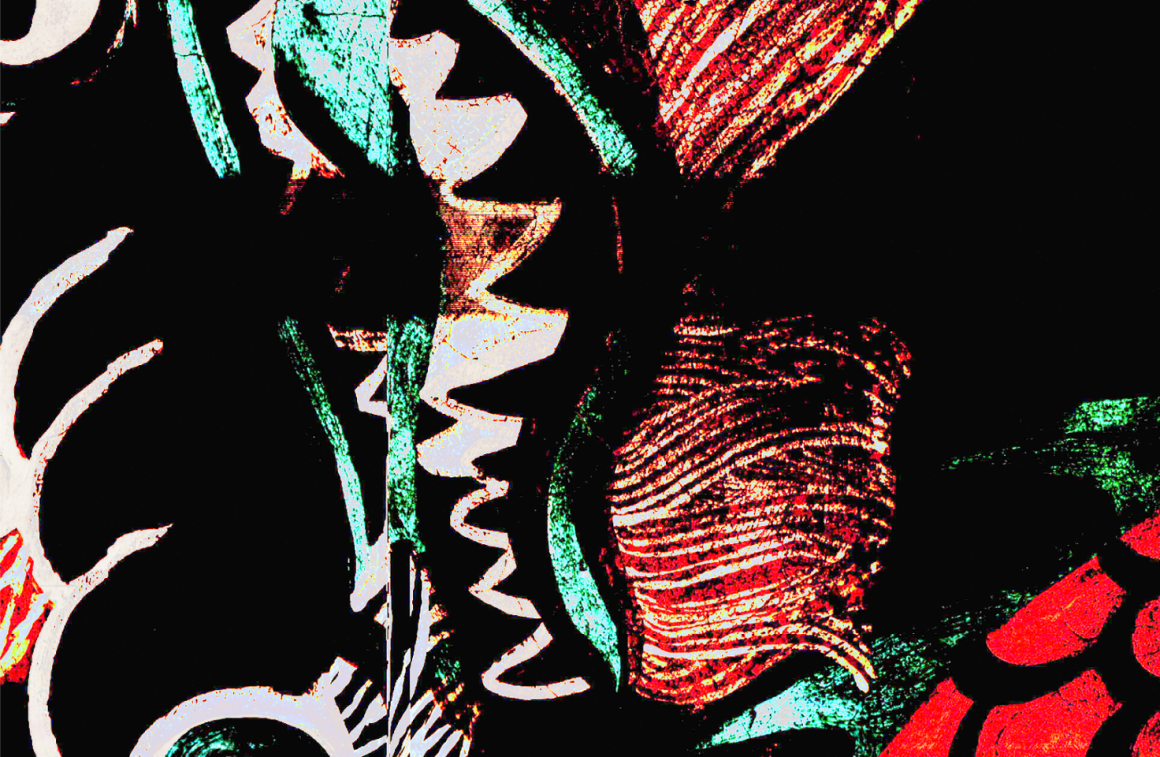
I took out my scanner and started capturing these overlooked surfaces. I had to be in very close proximity to them, which allowed me to see the closer details and textures – the paint peeling off the wall, the rust whose colour added a new detail to the artwork, the crack in the tile which disrupted the perfect symmetry of the pattern. It was interesting to see how art changes purely due to age, time and wear-and-tear. After that, I couldn’t stop noticing these details. While people moved quickly from one mural to the next, my scanner forced me to slow down and look closely at floors, walls, doors, and poles, searching for small signs of wear and tear. It brought me a deep sense of joy as an artist, because what you choose to notice and value quietly shapes how you move through the world.
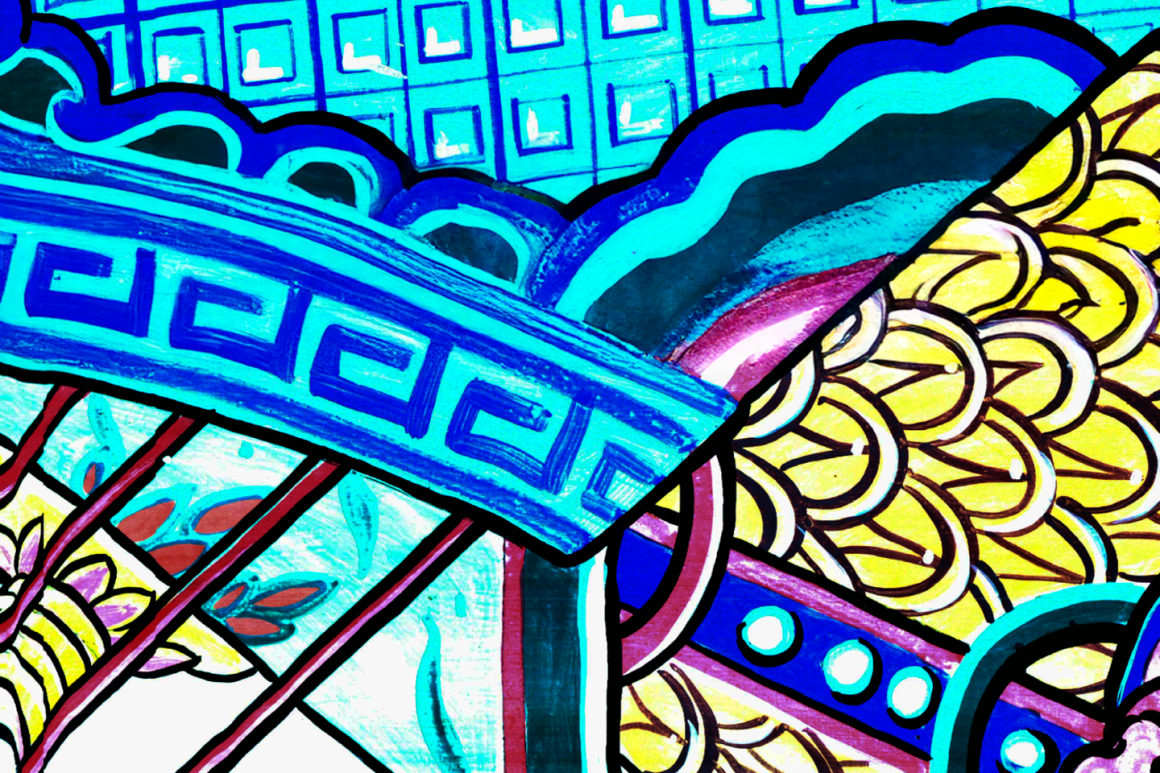
Through this process, I also recognised a pattern in my own work that I hadn’t consciously noticed before – letting irregularity guide rhythm, allowing colours to drift, and accepting wear and tear as part of the composition rather than something to fix. This is how I’ve always created, but it came to my notice only through this experience. I decided to call this body of work my ‘Urban Textures Series’, which I plan to continue through my future travels.
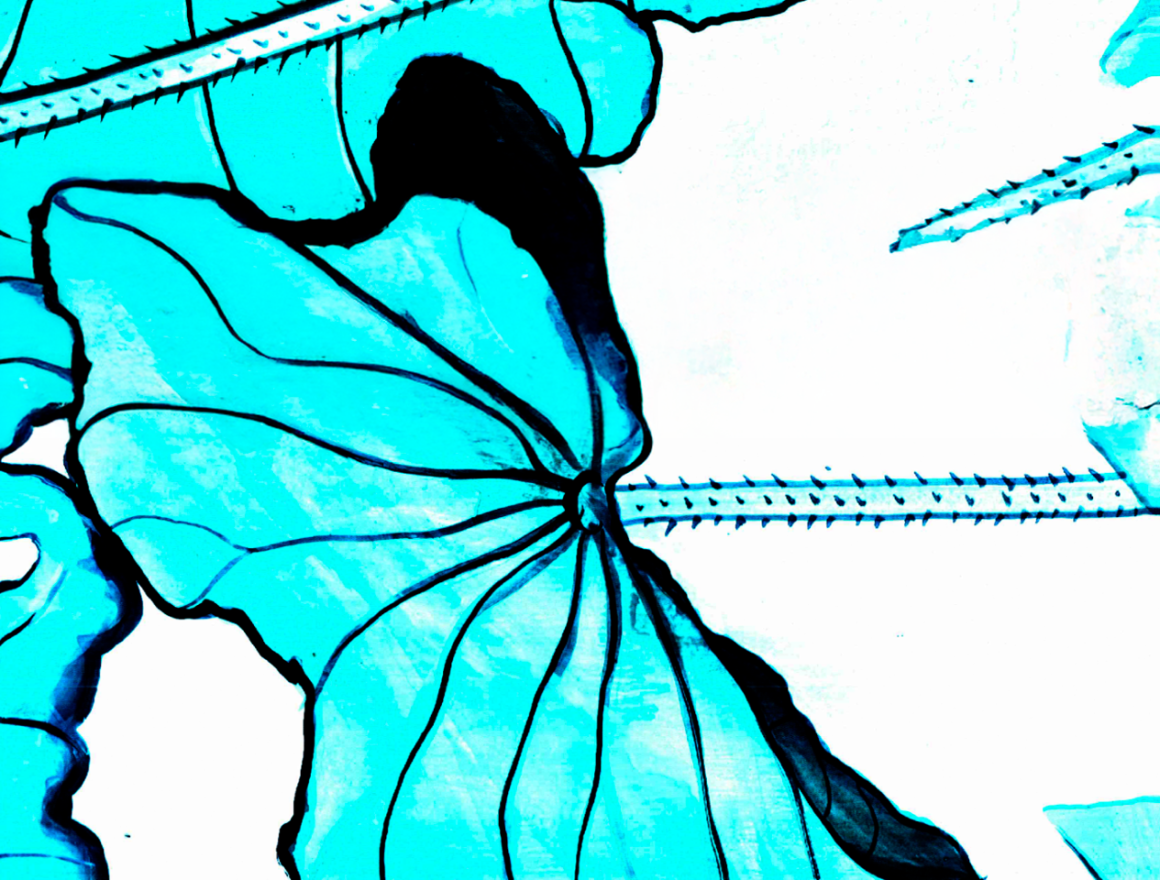
I remembered what Paul had told me: that he keeps the object while I keep the imprint. He archives weight and paper; I archive texture and memory. That conversation stayed with me long after the trip ended.

Sakshi Mangudkar is an illustrator and designer based in Bangalore, known for her vibrant, detail-rich work inspired by travel and everyday life. She draws from the places she visits and the moments she observes, translating them into visuals that feel lively, textured, and full of character. You can find more of her work on www.sakshimangudkar.com and @sakshi.mangudkar
“The views, historical interpretations, and opinions expressed in this article are solely those of the author and do not necessarily reflect the official position or stance of Bruite Magazine.”
Translations and detailed descriptions are provided to give a better understanding of the story to people from different cultural backgrounds across the globe.