
The simple meal of rice and moong dal, cooked with vegetables and served alongside fried plantains, was devoid of color. The boy’s eyes met mine with a look of hesitation, mingled with a sense of disappointment — it was nothing like the vibrant lunches I prepared for him every day. I mixed some of the Habisa Dalma with the fragrant rice, drizzled a few drops of warm ghee over it, and gently coaxed a morsel into his mouth.
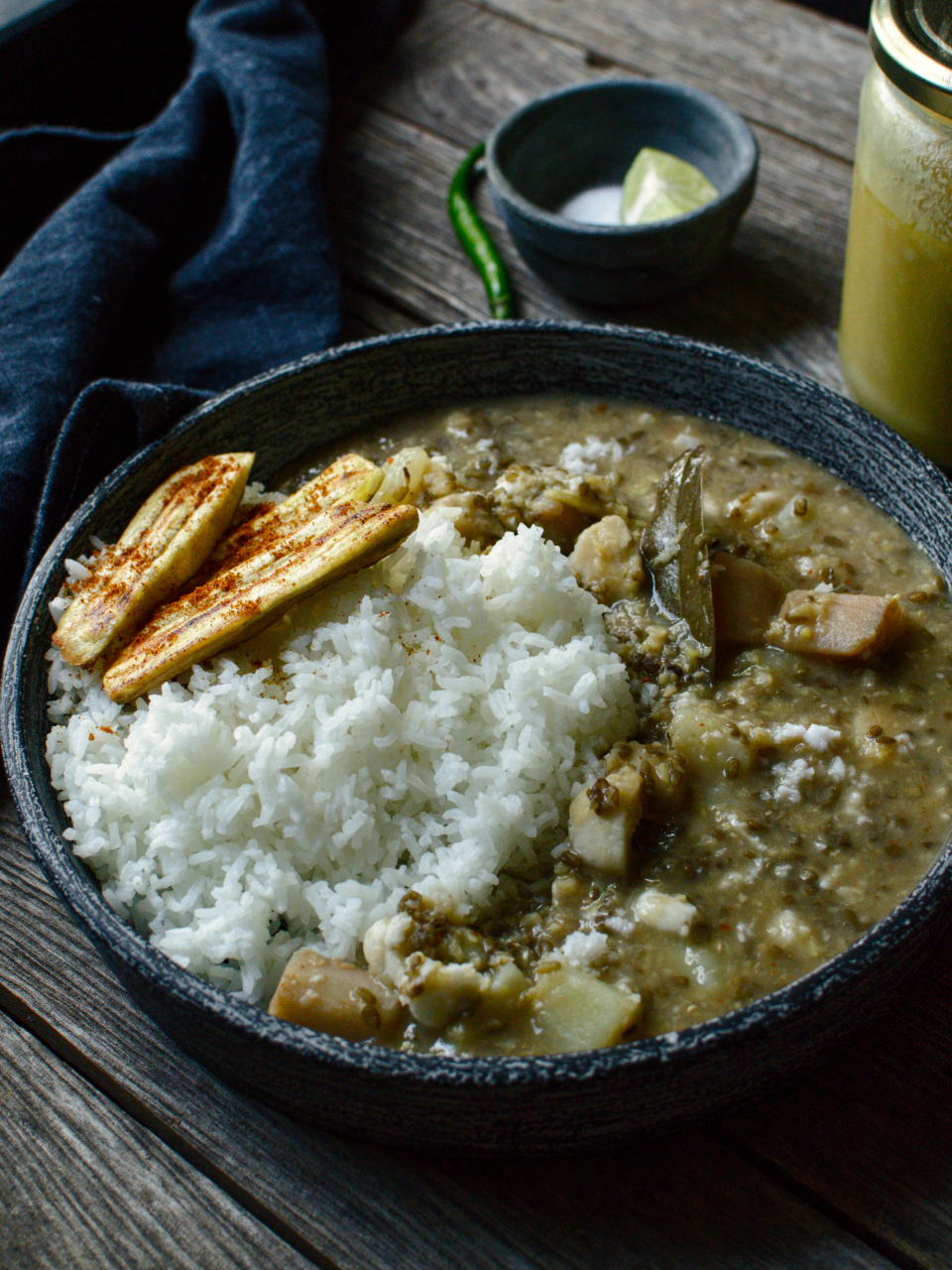
“It’s not as bad as it looks,” he responded, reaching forward for another bite. From that day on, I never had to persuade him to eat Habisa Dalma again. Now, he devours it like a pro, always accompanied by Kandia Pagaw, a local citrus condiment.
As he grew older, he understood its significance, especially within the context of Kartika—the holiest month in the Hindu calendar, and how closely our diet is tied to our religious practices. During this period, most Odia people give up non-vegetarian food, ‘ama’-generating pulses, and most leafy greens and vegetables. This annual cleanse, leading up to the peak of winter, helps reset our metabolism, generating more heat to keep the body warm in cold weather. Conveniently enough, this period also coincides with the fish breeding season in the eastern regions, allowing fish populations to replenish naturally.
Memory mapping is a powerful tool, and food memories form an integral part of it. Associating food with seasons, rituals, and festivals creates a lasting imprint on a child’s mind. Traditional Odia summer foods such as Bela Pana, Pakhala, and green mango with shallots serve as natural defences against heatstroke. Indigenous medicine systems, deeply rooted in local food traditions, have long advocated for such practices.
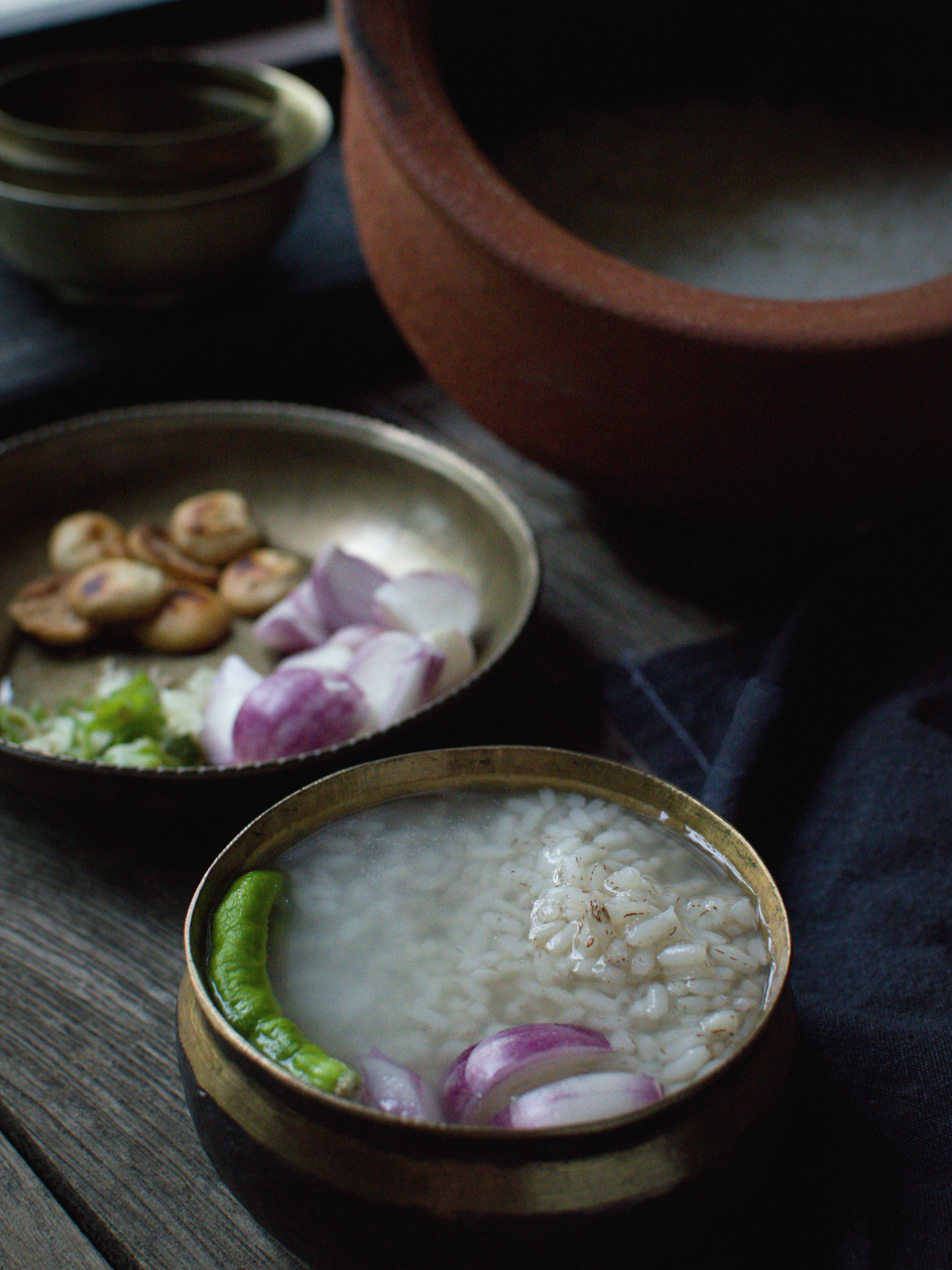
My own memories of seasonal eating are strongly tied to the summer months, particularly my grandmother’s careful assembly of side dishes that accompany Pakhala. One of the stories in Beyond Dalma is inspired by these childhood experiences. Fresh fish supplies would dwindle, and vegetation would wither under the intense heat waves that hit Odisha’s western borders. Tender green mangoes were plucked from the tree in our front garden, their stalks broken gently into a pool of cloudy rice water held in gleaming bell-metal bowls. The sap infused the ‘torani’ with a delicate fragrance. This version of Pakhala is known as Amba Nasi Pakhala.
Today, scientific research acknowledges the antimicrobial properties of mango sap [Negi, P., John, S.K., & Rao, P.U. (2002). Antimicrobial activity of mango sap. Eur Food Res Technol, 214, 327–330]. The mangoes themselves were peeled and crushed on a sila alongside a few shallots—both ingredients known to naturally cool the body and prevent heat-related disorders.
Each season is preceded by a preparatory period, marked by festivals whose offerings help the body transition smoothly. Bitters appear in the diet as winter ends, while religious fasting before winter aids in balancing the body’s doshas. The monsoon season, with its sluggish digestion and heightened risk of waterborne infections, calls for fresh, warm, and easily digestible foods. However, there is a particularly challenging period at the end of the monsoon—traditionally called the lean period. Grain stocks dwindle, and continuous rains reduce most vegetation to mush. During this time, people relied on foraged and preserved foods: tubers, dried fish, fermented vegetables, jackfruit seeds, mushrooms, and bamboo shoots. This is no longer the case post the green revolution and widespread coverage of the PDS (Public Distribution System) network. Both these factors have affected local food systems in an adverse manner.
But it is not just indigenous nutraceutical knowledge that is fading with the loss of seasonal eating patterns. Traditional utensils and vernacular literature are suffering equally. Pakhala Kansa, the native vessel used to serve fermented rice dishes, has its own story. Various districts of Odisha boast distinctive styles of kansa—Pocha Pakhala Kansa, Au Phaliya Kansa, Hati Pada Kansa, and Sahari Babu Kansa, each shaped by centuries of culinary evolution. Vernacular literature is also rich with proverbs and folk songs that celebrate the connection between seasons and food. A beautiful folk song ‘Pusa mase mula mudhi khaibaku mitha’ clearly details ‘best in season’ produce for each month of the Odia calendar.
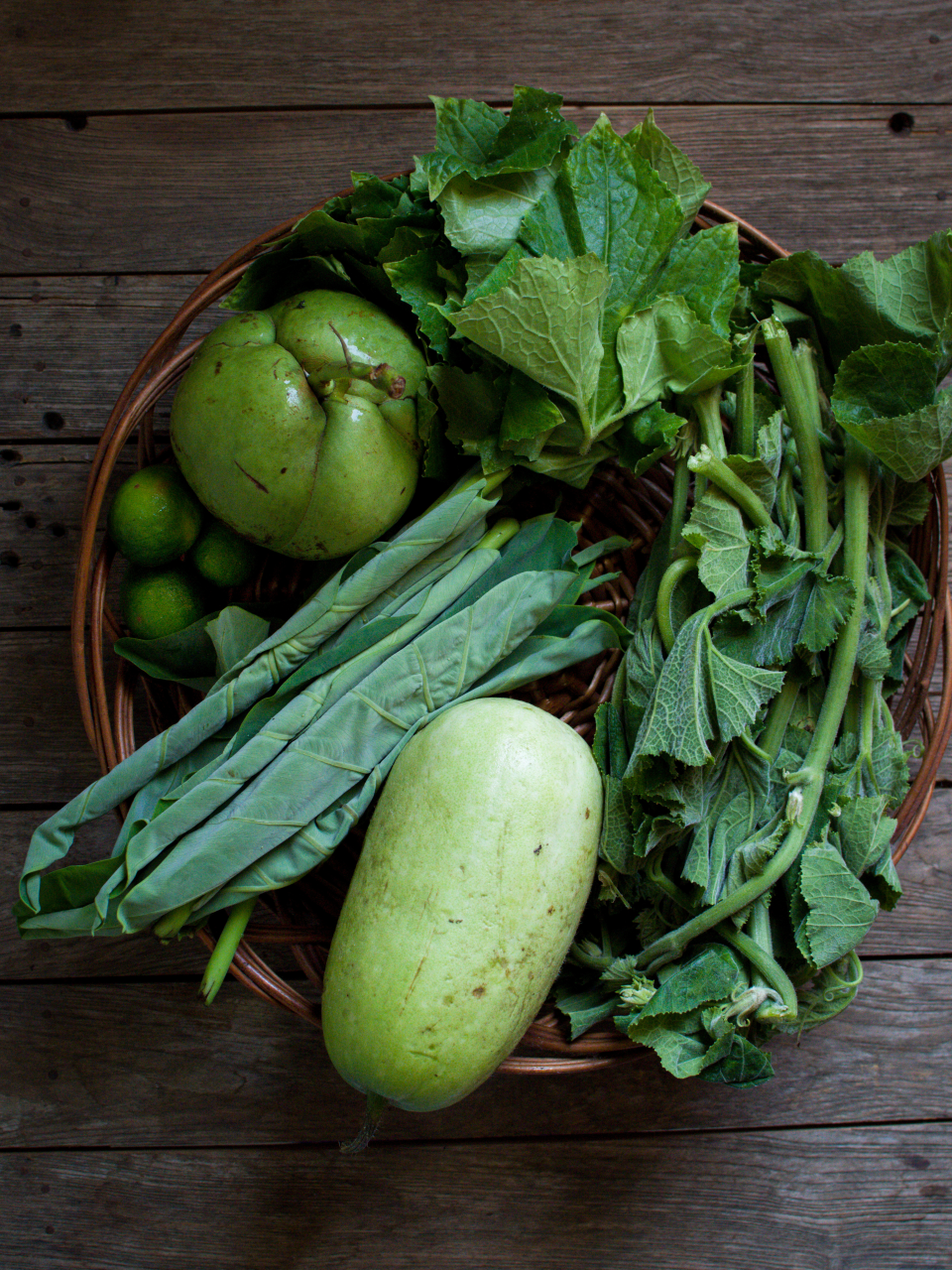
The modern diet, overly reliant on a handful of vegetables, has led to a disconnection from nature, limiting the diversity of seasonal foods on our plates. Urban children, growing up without close contact with plants, remain unaware of this loss. Regular visits to local vegetable markets should be an essential part of childhood experiences, sensitising them to the importance of seasonal eating and the urgent need to protect our cultural and nutritional heritage.
“The views, historical interpretations, and opinions expressed in this article are solely those of the author and do not necessarily reflect the official position or stance of Bruite Magazine.”
Translations and detailed descriptions are provided to give a better understanding of the story to people from different cultural backgrounds across the globe.