
I remember it being a summer day when I called my mother in a panic.
“Ma, I burnt my dal!” I exclaimed.
“How?” She asked, laughing about how she could guess the cause when she was a few hundred kilometres away. I had just moved away from home for the first time to a city I had never visited before. I was in a kitchen that I would eventually call mine, for a bit. Armed with the bare basics of a pressure cooker, a kadhai and basic masalas, my kitchen was scant but functional. I remember being exhausted from my grown-up job, and craving the comfort of dal-chawal rather than eating from outside. That did not go well.
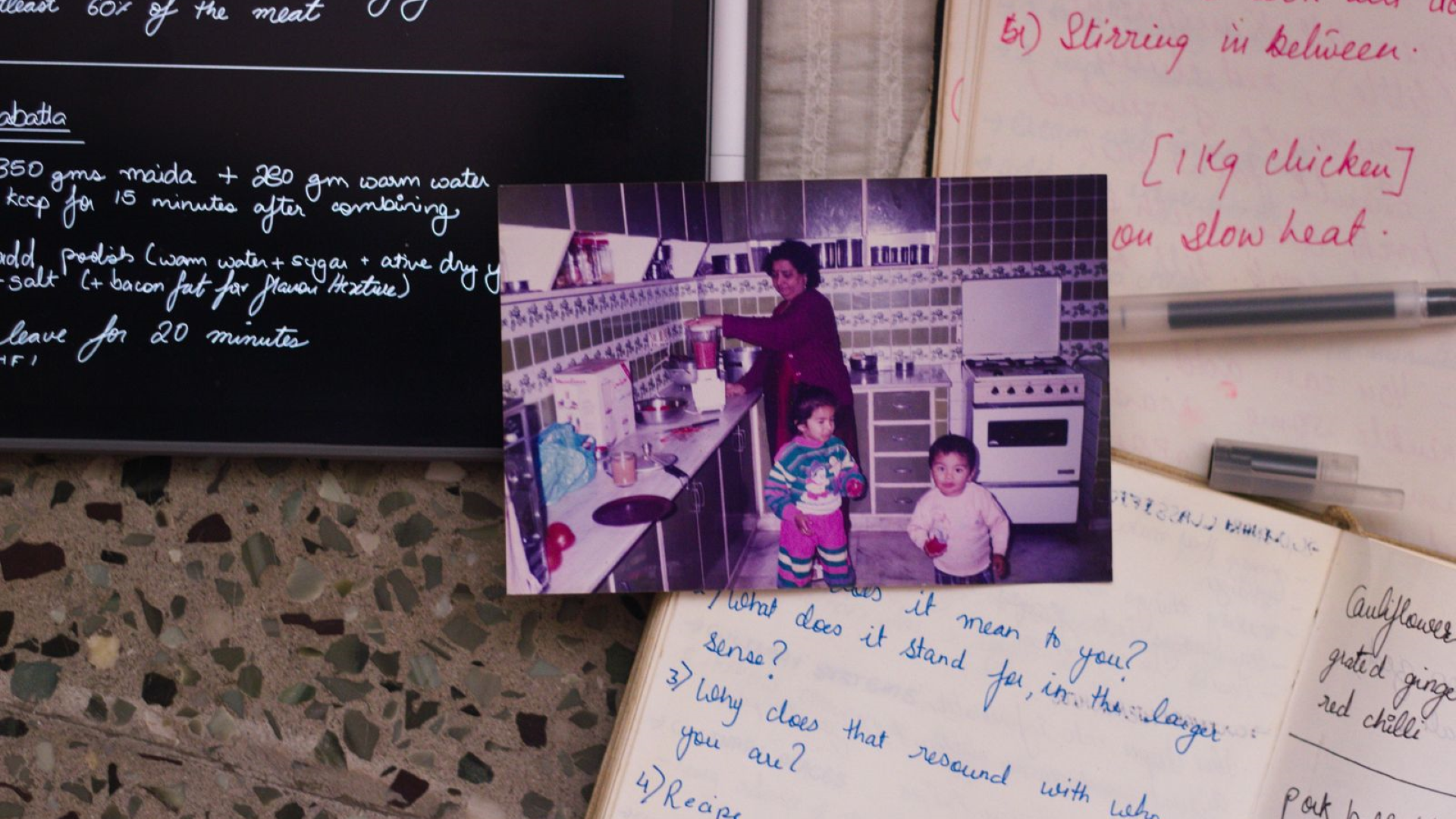
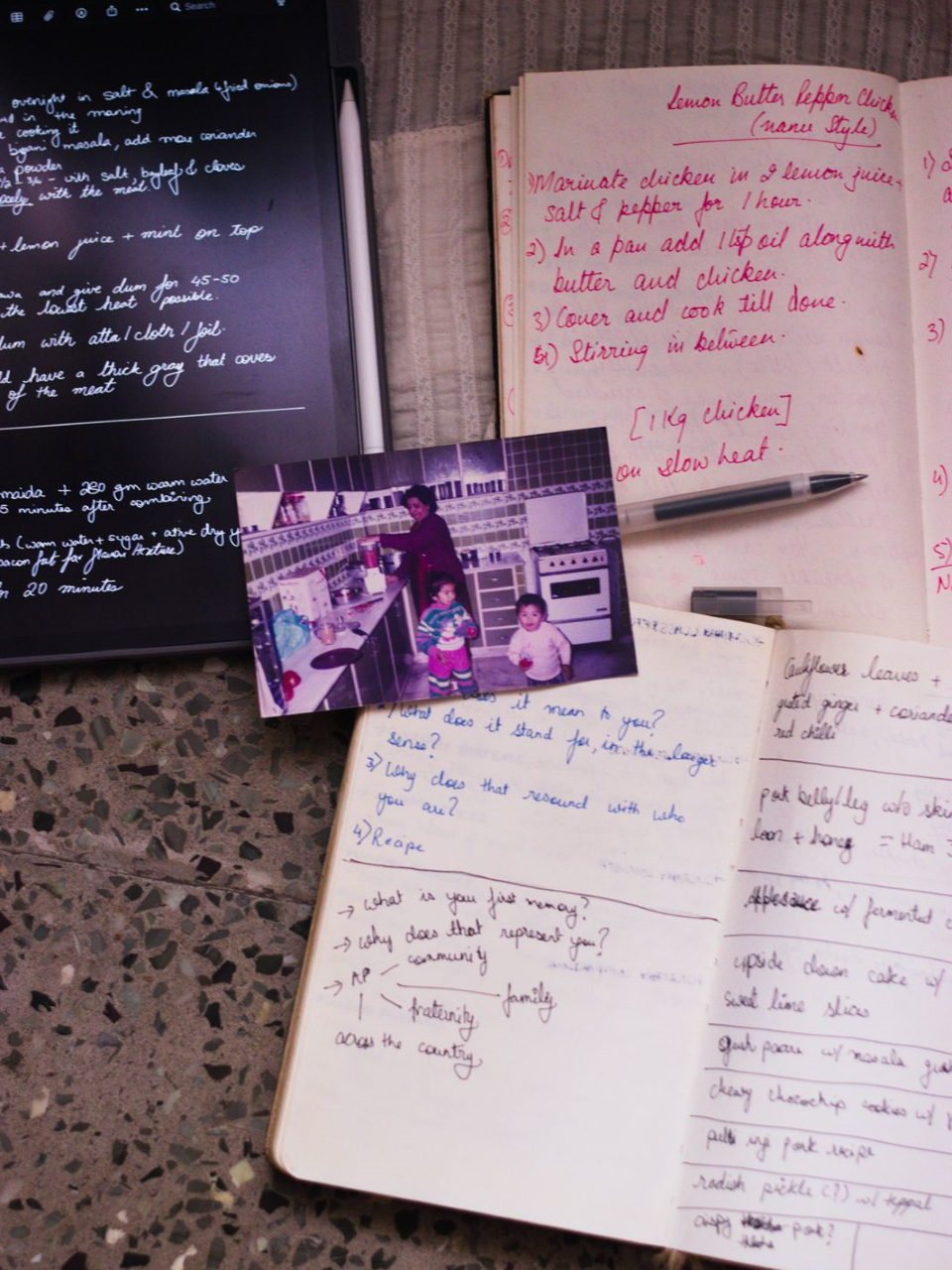
It was at that moment that I decided that the next time I go home, I will pay more attention to the way my mother and my grandmother cook, and write down the recipes for even the most basic things because memory is a feeble friend of mine. So, I went home with a new notebook in tow.
The thing about recipes, I discovered, is that they are doorways – for conversations, memories, and for establishing bonds that stay on through time. They also record bits of personal stories and anecdotes that go on and become personal family archives. It is through the process of recording these, that I got to know more about my family members as individuals who have lived lives apart from the roles I knew them in.
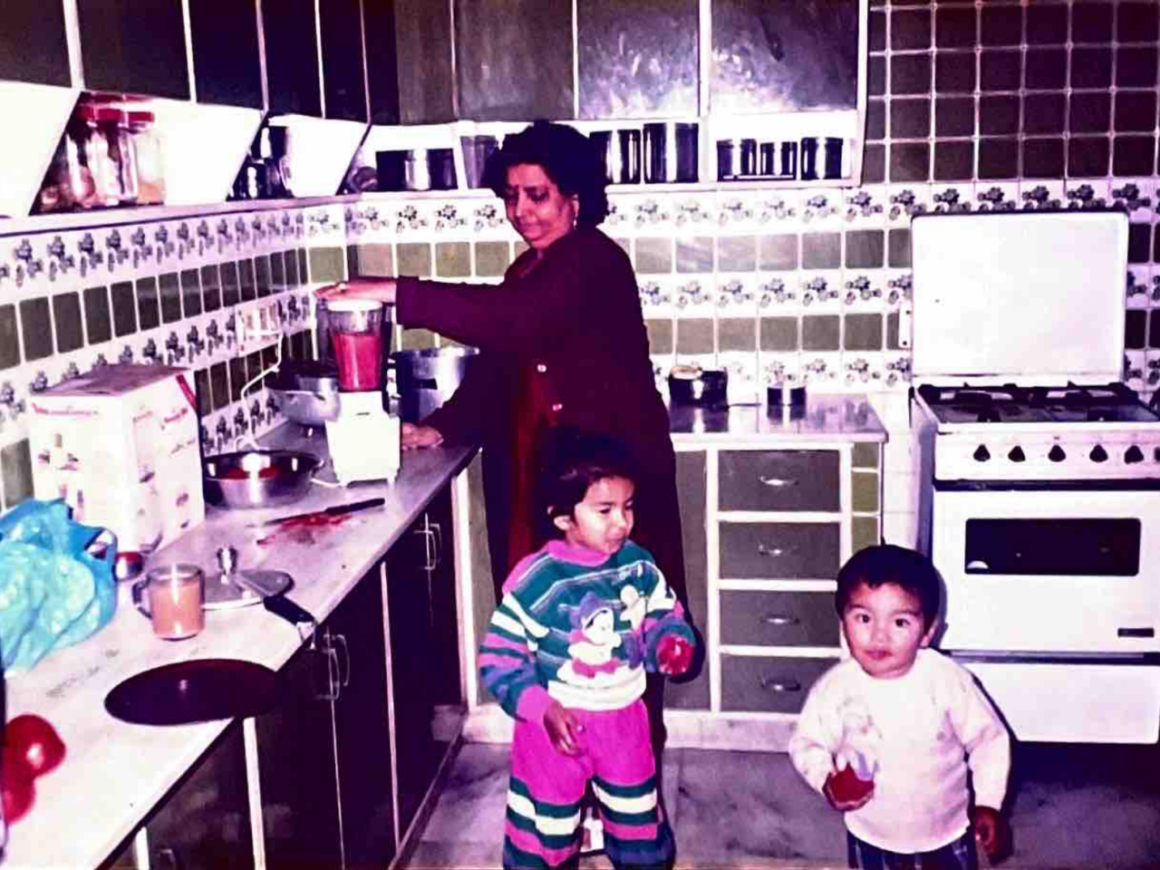
My mother fondly spoke about the hours she spent in front of the television, writing recipes from stalwarts like Sanjeev Kapoor and Tarla Dalal. She grew up in a typical North Indian household where the menu was often dal,sabzi,roti, and-chawal. Her marriage took her into a family that mostly spent their time abroad, and was big on hosting and feeding. The food was global and adapted over time with where they were located. Everything was from everywhere, but it belonged on the table. So what did my mother do? Turn to the TV, like everyone else in her generation. The recipes she noted during those hours became our cherished inheritances.
My paternal grandmother, on the other hand, picked up various styles from magazines and friends, and adapted them on her own as she moved around the globe with the family. Now, when I look back, I see the various inspirations she tied together. Chicken A La Kiev gave way to Butter Bomb – the vada from vada pav, was stuffed with a cold cube of butter to give you the same wow factor! Egg sandwiches were highly influenced by the British babus from her life in Bombay and her family’s history as contractors for the British army. So were the tri-coloured spaghetti bakes with layers of spinach sauce, tomato sauce and mushroom white sauce that was topped with cheese and then baked till it was slightly brown on the top.
Food was plentiful and a way to show how welcome people were in the house. There was always reminiscing of a particular dish that a family member made in a certain way, and how that was a time to go back to. The association of memory, emotions and food always remained.
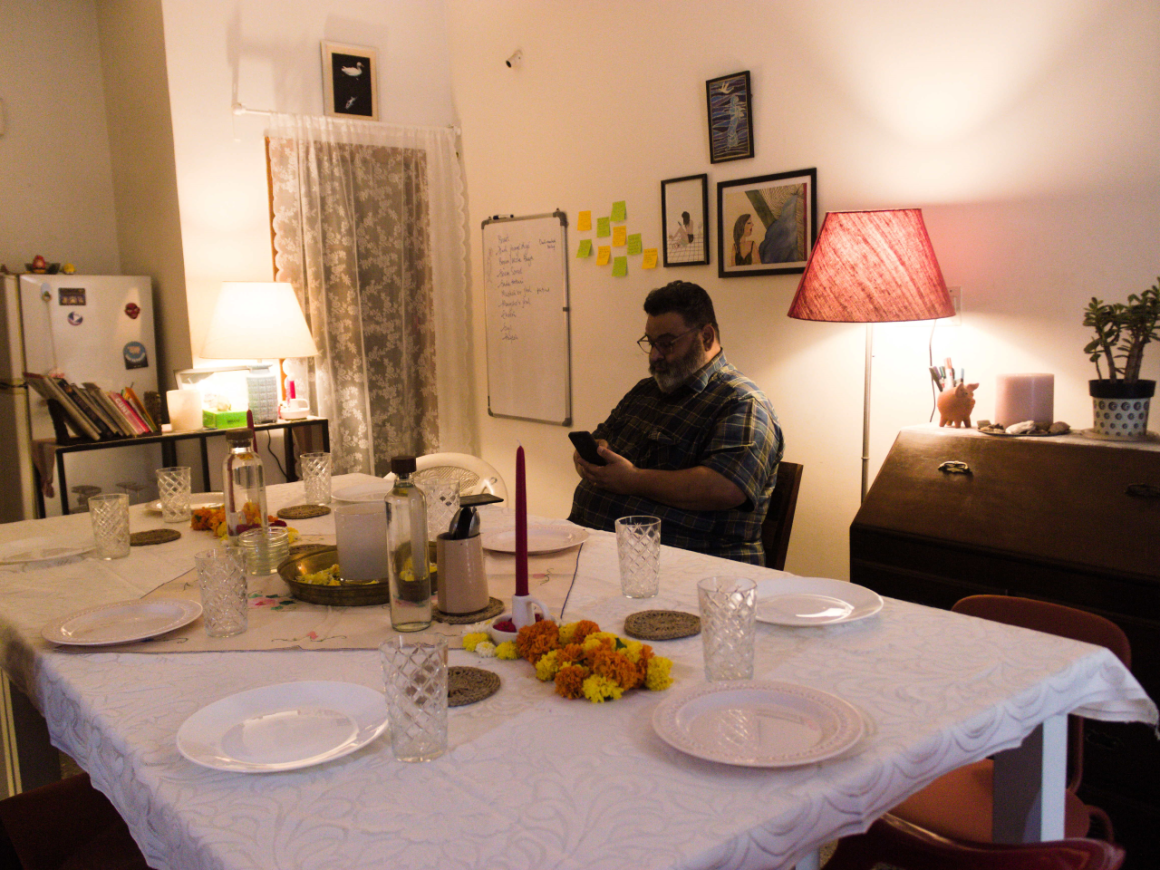
Somewhere along the line, I learned to lean on them. I would diligently write down recipes that shaped the food of my childhood. These were flavours that I would not find in any blogs, videos or cookbooks. The personal touches among these are what made them my memories. I wanted to build a home on these flavours.
Over time, this recipe book acquired a life of its own. It has recipes that I have inherited, recipes that have found their way to me, and recipes that I have put together on a quest for flavour. The notebook is filled with notes, post-its, various inks, and a lot of food stains. I find noting recipes brings me closer to the culinary palace I have built in my head. Recipes often don’t talk about the intangible side of cooking, just the methodical. It is through these notes that I find myself building a guide.
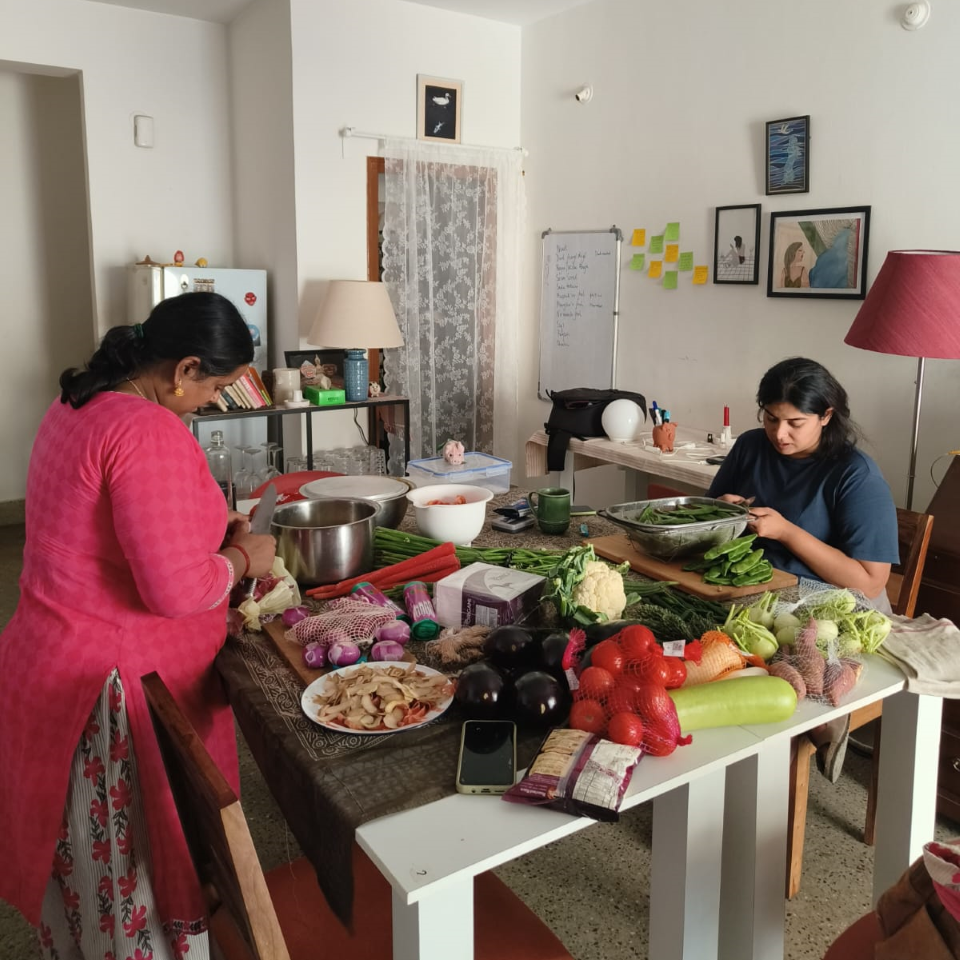
While the measurements are just enough, cooking needs a little more care to veer towards the taste profile that is familiar to me. This includes noting what smells to look out for, what should be the taste at what stage during cooking, and the tacit nature of it. Over time, my instincts developed and that is what brought me where I am today – a little too driven by taste, need to obsessively note, and wholly obsess over flavour.
Under Pressure, the home kitchen that I run is driven by the same hunger. In my quest for new flavours, I remain excited by ingredients and techniques. I find joy in combining flavours that remind me of a memory, but could be made of something that I am not entirely familiar with. This could mean sawtooth coriander from Manipur in a lemon and pepper forward stew, or a reshampatti chilli in carnitas, or drumstick leaf soup with prawns. The way I see it – cooking is an endless path for us to walk on. Dishes that make Under Pressure combine cravings, experiments and intrusive thoughts at 2 a.m. One of the specials in my menu is a gado gado salad (an Indonesian salad of boiled vegetables served with hard boiled eggs, fried tofu and peanut sauce), something I remember eating as a kid a few times. The recipe went through multiple changes over phone calls with my mom before I arrived at the taste my tongue remembered.
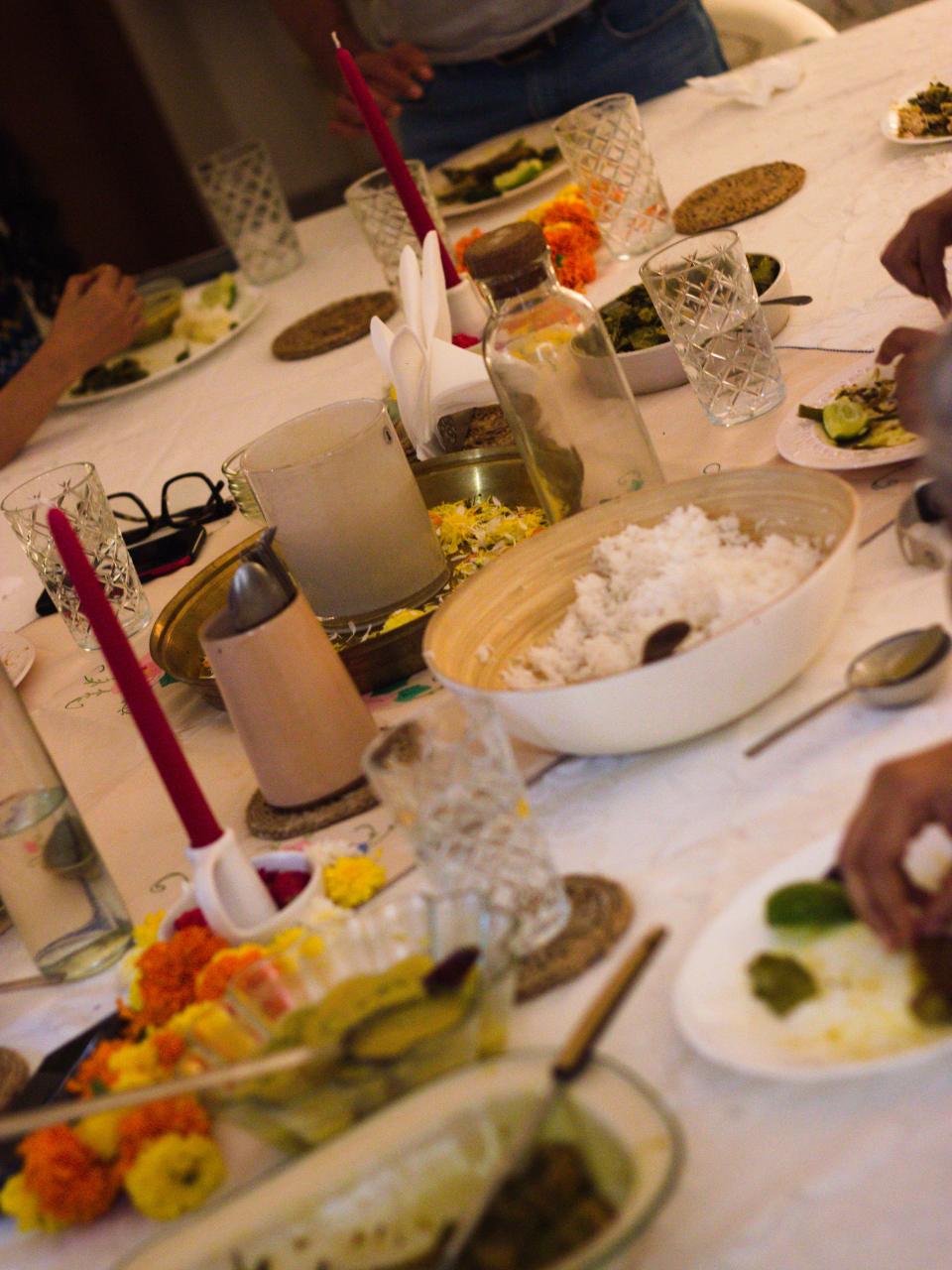
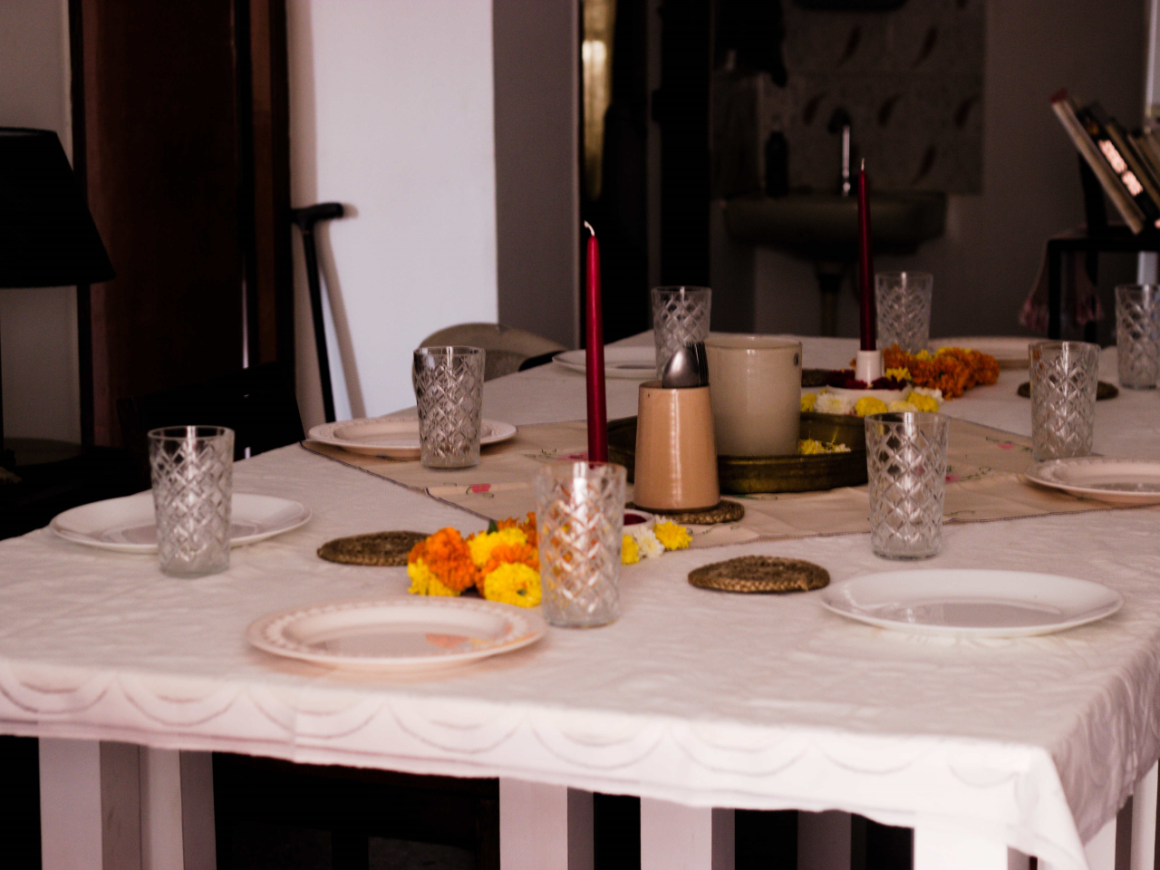
Over time, a compulsive need to make fuller meals came in. Meals that surrounded themselves with stories, flavours and moments. Out of this was born Saapad Table, – a supper table experience that was experimental and fuelled by conversations. I had various themed editions including a Christmas theme and a Punjabi home cooking theme, where the champion dishes were flavours I had grown up eating. I did a guest pop-up with Rhea Mitra-Dalal, a master of Bengali cooking from Bombay. Over time, Saapad Table came to a halt due to personal reasons but my walls are still filled with post-its left by people who have eaten at my table.
I wished to share my culinary ideas with the world. As a compulsive notetaker, writing has always been an old friend. Somewhere along writing and talking about my culinary journey with my friends, I decided to share my food with others. I wanted them to join me in my flavour quests, and I savoured their raw, unfiltered reactions to experimental food.. My practice of cooking, writing, and feeding has led me to build stronger relationships, and an abundant pantry that I constantly try to wade through.. In my pantry, a slab of Parmigiano reggiano sits next to a Thai curry paste, a box full of peppers from across the world breathes in the various seas of salts that are with it, and the sauce shelf blooms with orange blossom, tamari and pomegranate molasses.
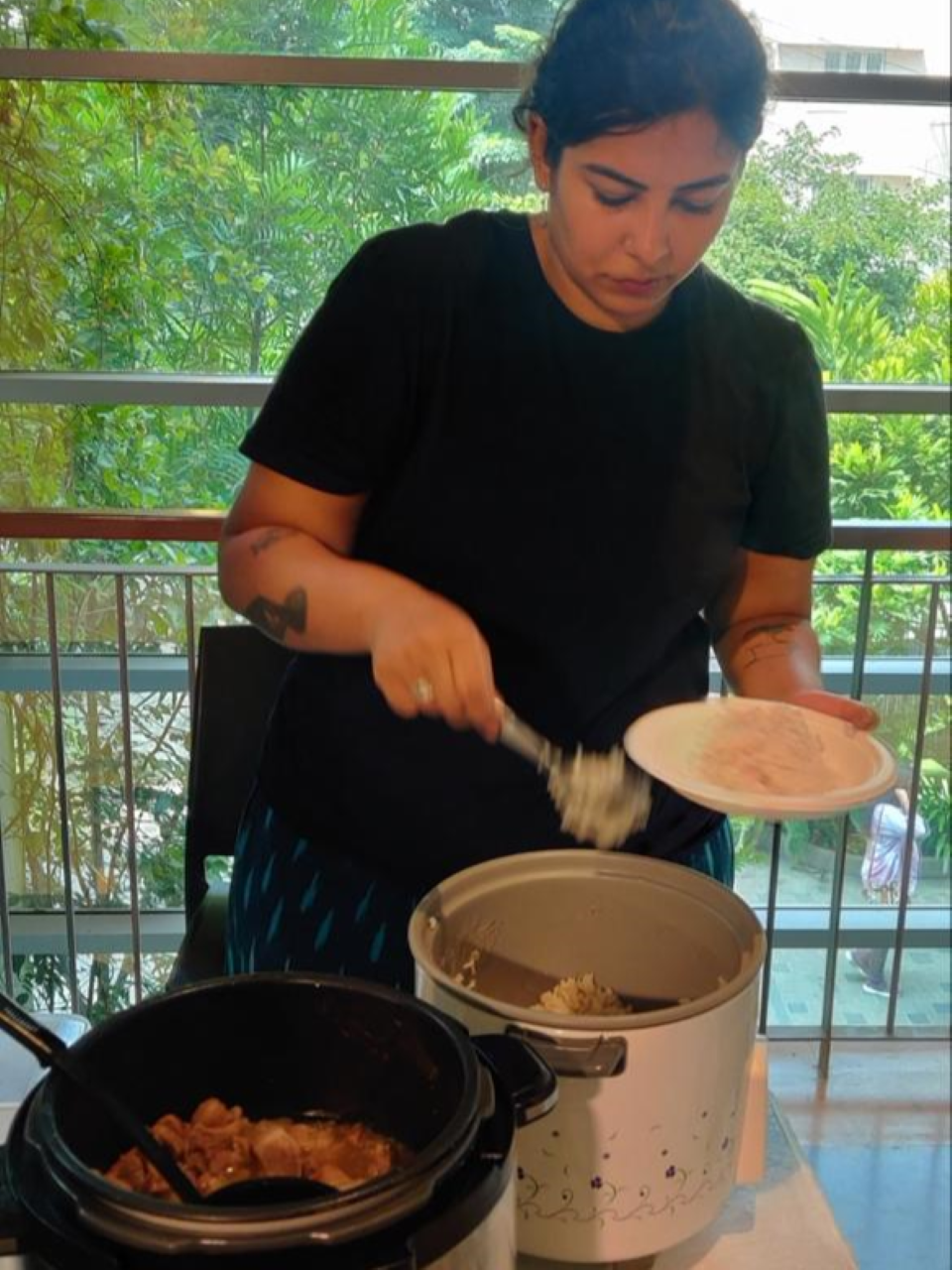
I have had people randomly send me a video or a dish name, and ask me if I’ve heard of something similar, or send me a recipe from a friend because I went down a rabbit hole of a dish and its history. My brother, with his travels, often adds to the pantry as well. He picks up random ingredients from supermarkets without translating them, and hands them over to me to figure out how to use them. Along with food items, there is often a story of how a particular friend traveled and experienced the world and why they were drawn to a particular ingredient, or a meal that had it as a part and they couldn’t help but bring it back to me to experiment. Food is a love language, and it often goes beyond simply cooking.
In Indian homes, the first thing we ask guests is if they have eaten, and by that, what we mean is, “Are you feeling taken care of?”, and that is all that matters.
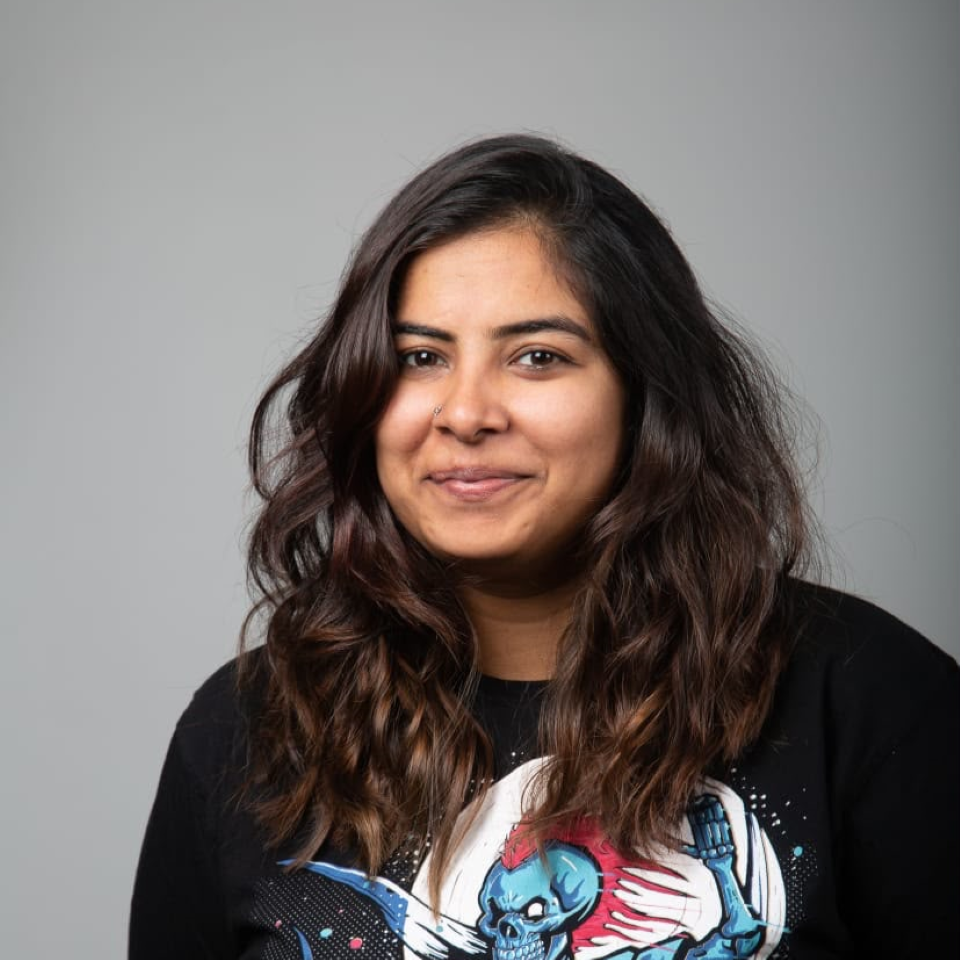
Aarzu Sadana is a culinary entrepreneur, researcher, and the founder of Under Pressure, a multifaceted gastronomic venture. Through her working brand, she explores food in its most diverse forms; artisanal, made-to-order meals and handcrafted pantry essentials all the way to her signature Saapad Table, an intimate, community focused dining experience designed to foster deeper conversations and camaraderie around food and what it means for her guests. As a dedicated curious cat and storyteller, she invests rigorous study into the origins, traditions, and cultural contexts that define global cuisine. Her dynamic mind is dedicated to preserving culinary legacies while shaping a contemporary dining culture.
“The views, historical interpretations, and opinions expressed in this article are solely those of the author and do not necessarily reflect the official position or stance of Bruite Magazine.”
Translations and detailed descriptions are provided to give a better understanding of the story to people from different cultural backgrounds across the globe.