
Where appetite follows ritual, and a town learns to wait together
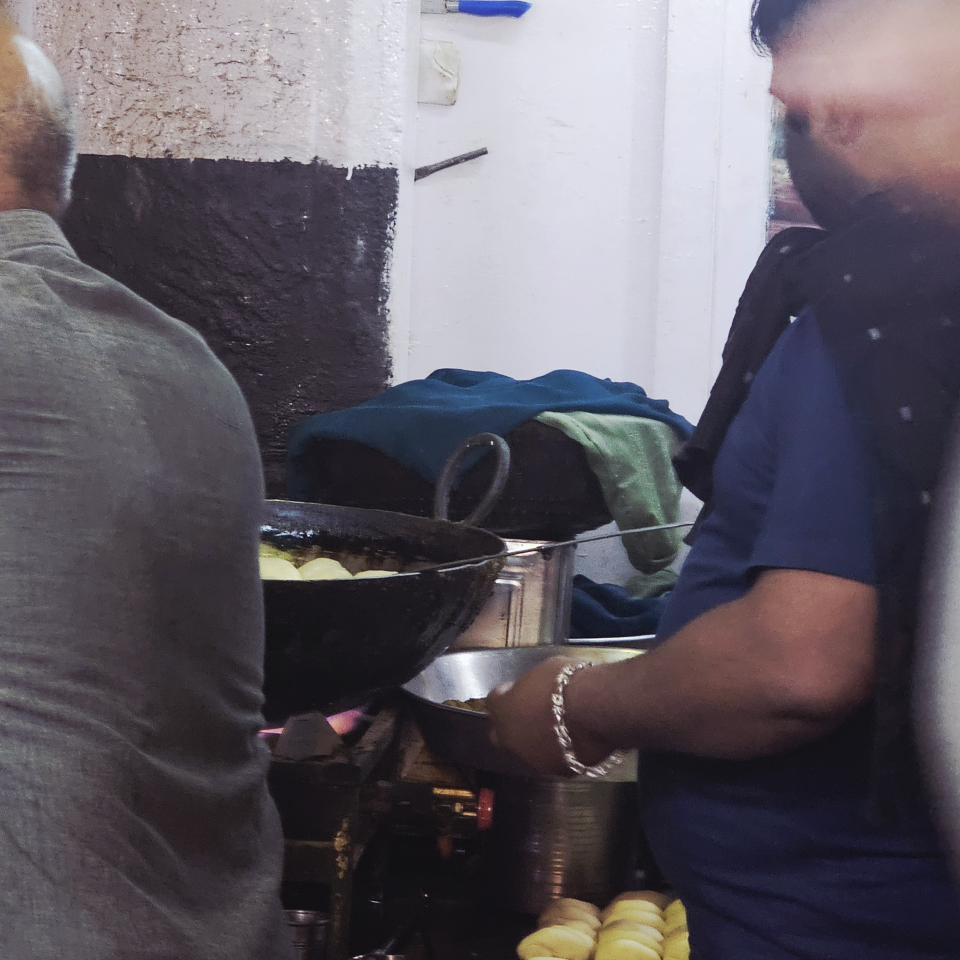
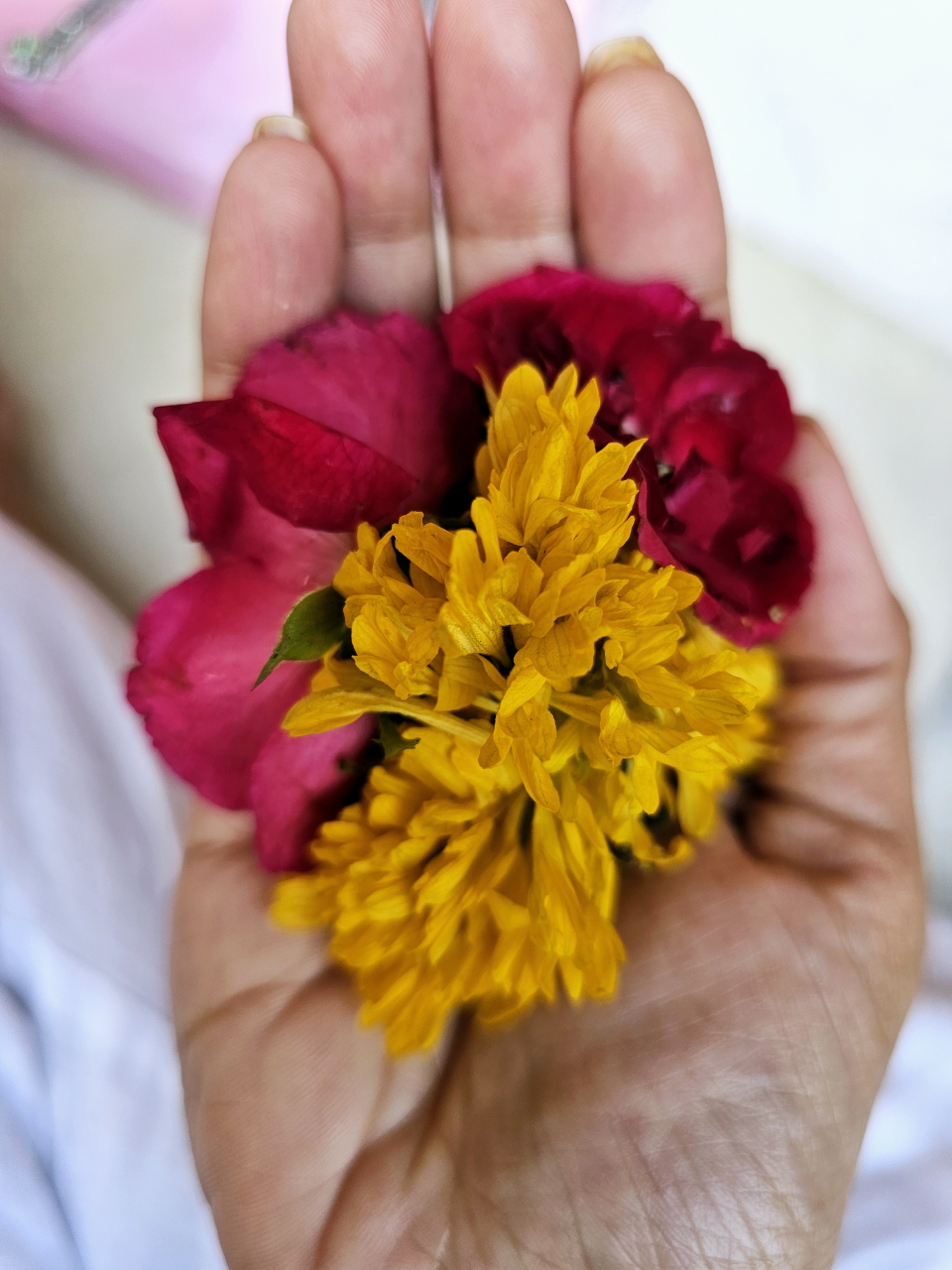
At 10:45 each morning in Rajasthan’s temple town of Nathdwara, about an hour from Udaipur, the bazaar continues as usual. Oil bubbles in sweet-shop kadhais. Pilgrims bargain over genda phool garlands. Someone counts change behind a glass counter.
Then the word moves quietly through the crowd – Rajbhog, the principal mid-day offering.
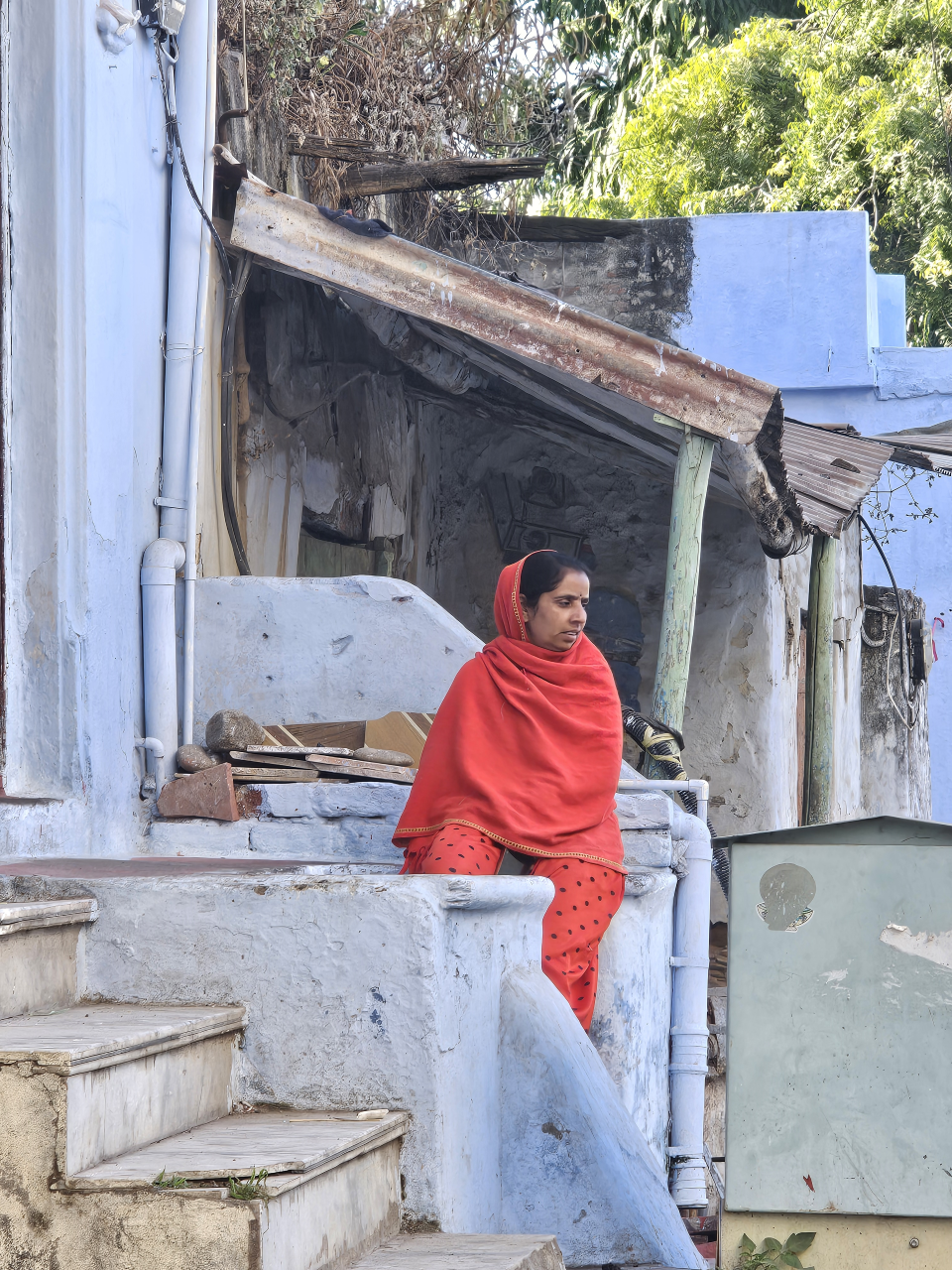
Nothing officially stops. Shops remain open, transactions continue. Yet conversations pause mid-sentence. A shopkeeper steps away for darshan. People begin drifting in the same direction, toward the haveli.
For a brief period, commerce yields to devotion.
The first time I noticed this as a child, it felt inefficient. Why not finish what you’re doing first? Years of returning made the answer clearer: Nathdwara does not run on clock time alone. Much of its day still follows ritual time.
Returning to a familiar town
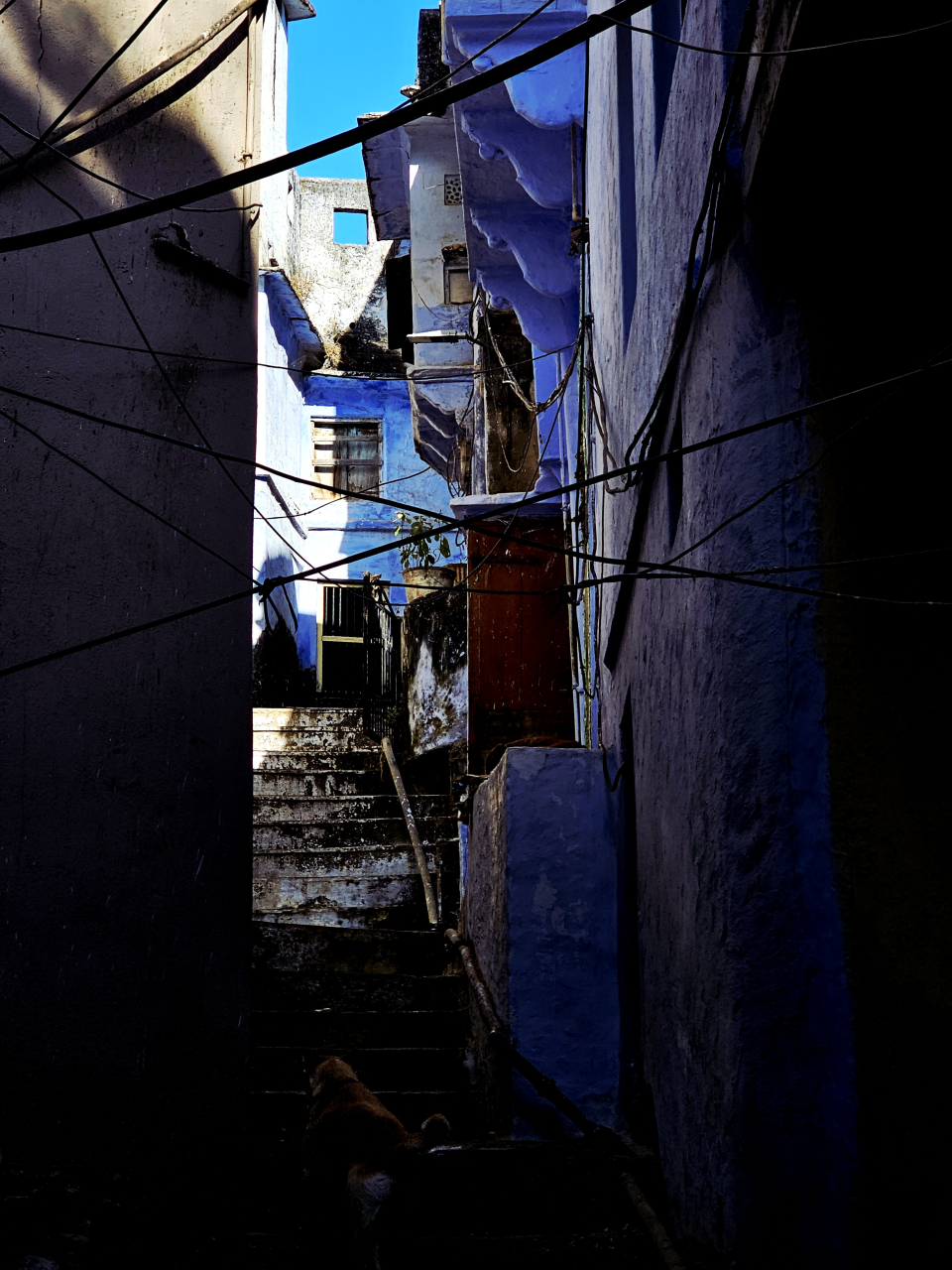
After evening Shayan darshan, the square locals call Chowpatty comes alive in its own way. During peak seasons, thousands pass through narrow lanes, navigating cows that refuse to move and dogs that look permanently well-fed. Greetings of Jai Shri Krishna pass easily between strangers.
Snacks scent the air. Vendors sell clothing, vegetables, temple souvenirs, silver jewellery, and bundles of freshly cut mint stacked like small green bouquets.
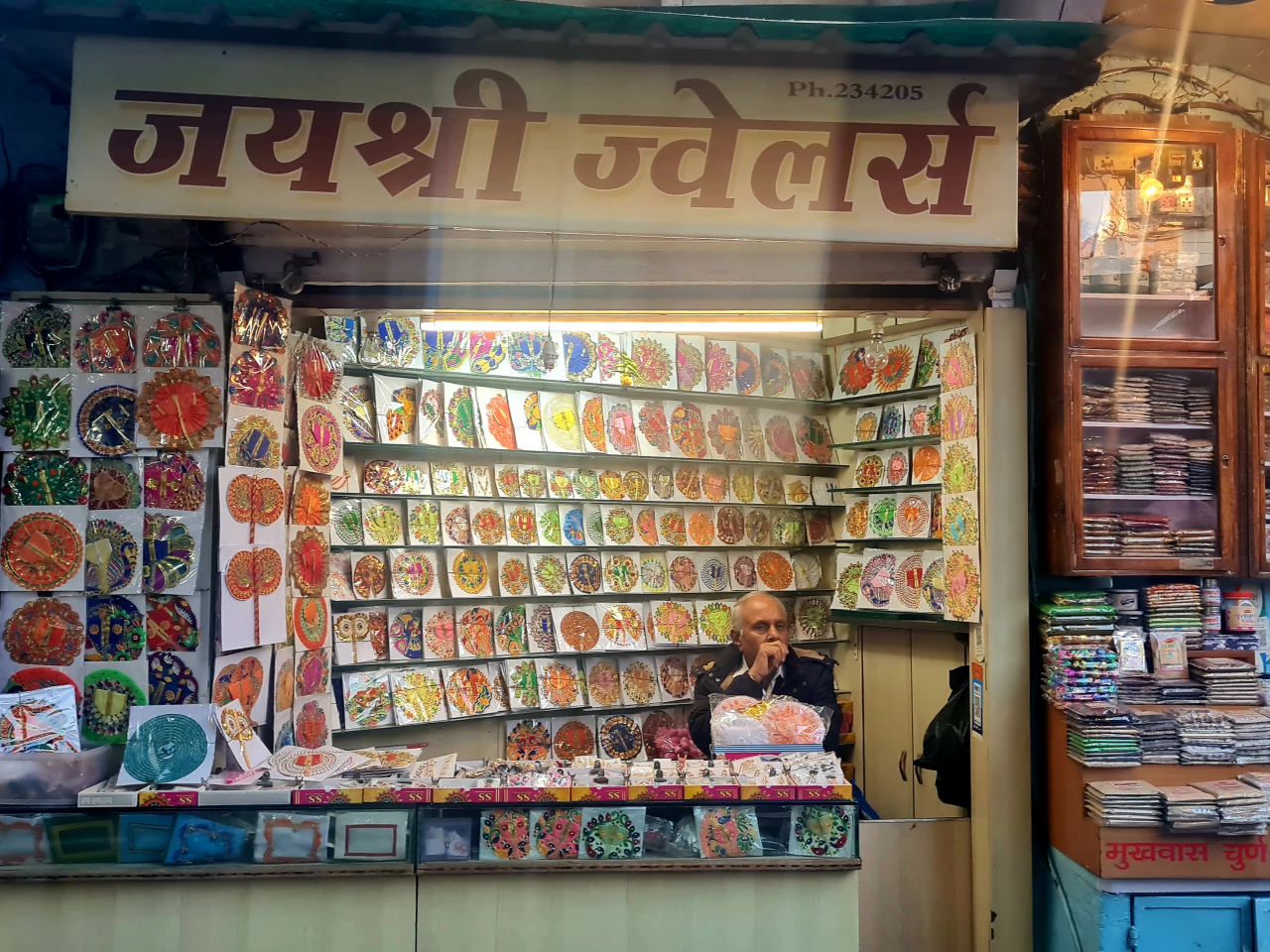
I grew up watching this transition, from waiting to eating, without fully understanding it. As a child, I sat on the steps near the attarwala my father bought vials from, watching adults stand patiently for doors to reopen. Nobody complained. Nobody hurried.
Feeding as theology
Shrinathji is worshipped through the Pushtimarg tradition founded by Vallabhacharya in the late 15th century. When the idol was moved here from Govardhan in the 17th century, the town grew around its rituals. Worship takes the form of seva, which here largely means feeding.
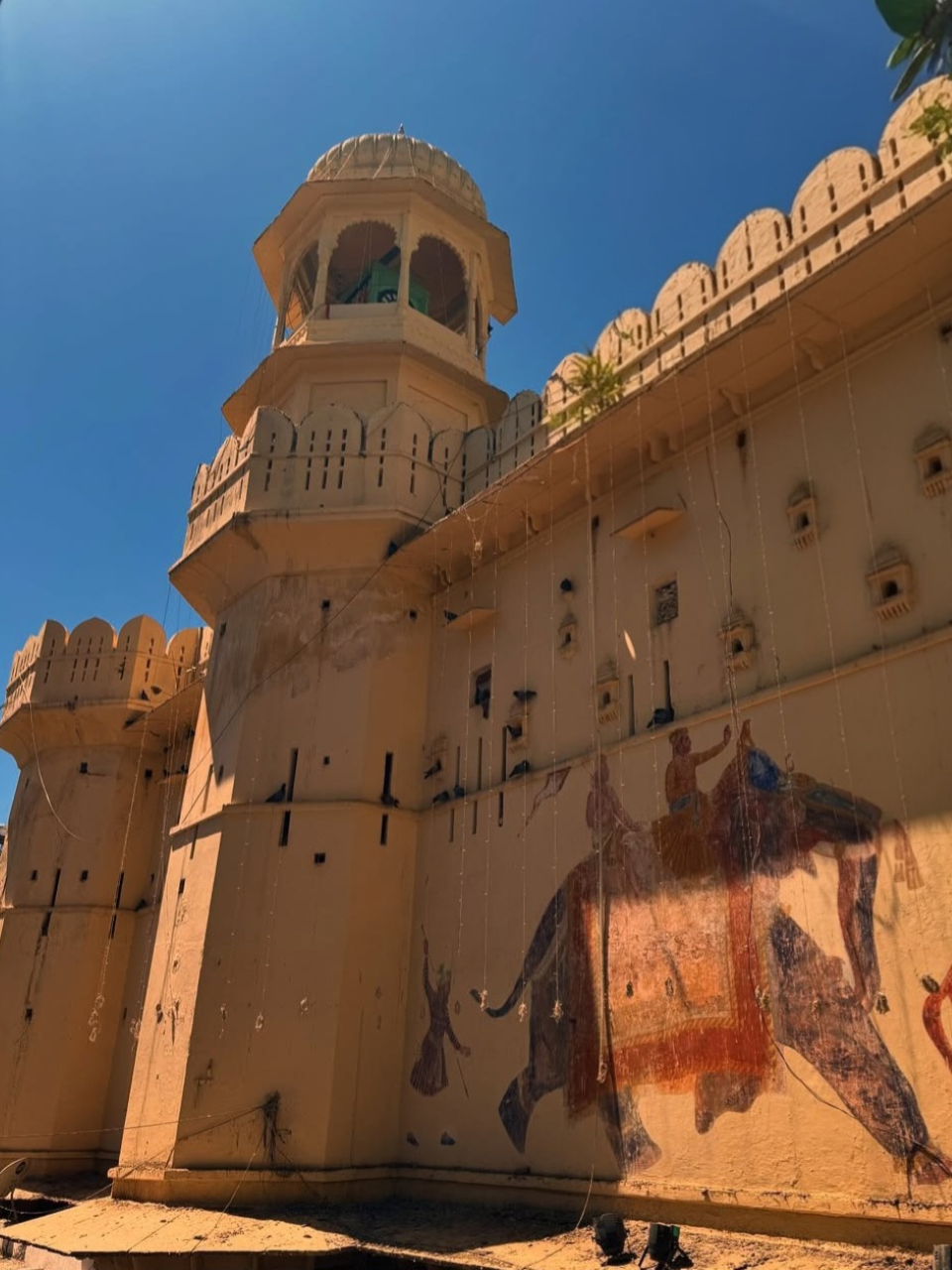
The deity’s day unfolds through eight darshans, each marking a change in mood, attire, and appetite. Morning offerings are milk and butter. Rajbhog is the day’s elaborate meal. By evening, preparations grow lighter before the deity is put to rest.
The temple is called a haveli not metaphorically but functionally. It operates as a living household: storerooms filled with grains and flowers, milk arriving in steel cans, sweets prepared with logistical precision. Offerings and donations sustain a vast ingredient system behind the temple kitchens. Even the famous “ghee well” makes sense once you grasp the scale involved.
Devotion here produces logistics.
A long known seasonal intelligence
What struck me most on my recent visit was how strictly seasonal the food is — not as philosophy, but as habit.
Winter brings Suhaag Sonth and Kasturi Paak, rich with ginger and dry fruits to warm the body. Summer shifts toward lighter sweets and cooling preparations designed for heat over indulgence.
Older devotees recall versions of Thod being lightly smoked with camphor, not for taste, but to mark its transition into offering. The practice has largely disappeared, but the thinking behind it persists.
Elsewhere, restaurants now advertise seasonality as innovation. Nathdwara never needed to rediscover it. The temple kitchen has long cooked according to climate.
Much of the bazaar still follows temple timings
Outside the haveli, the town mirrors temple timings almost exactly.
At Jodhpuri Mishthan Bhandar, trays of pedas appear and disappear, feeding hungry eyes and mouths. Vallabh Dairy’s rabri offers different textures with different seasons. At Mohanlal Sukhadia & Sons, recipes remain largely unchanged.
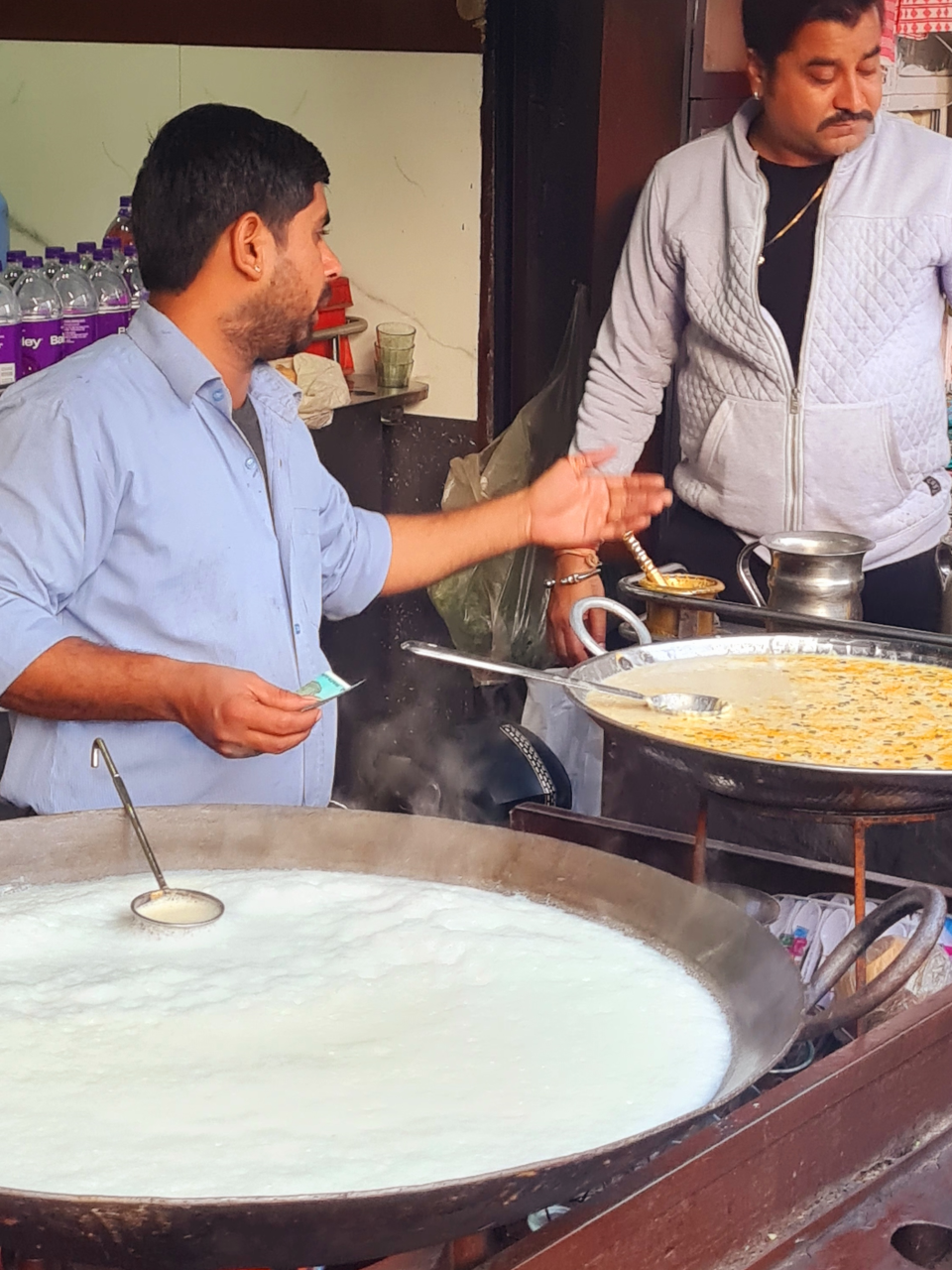
“My grandfather measured by instinct,” the owner tells me, pressing a thumb into a peda. “We still do.”
At Shri Ji Dairy, Chanduji shapes pedas without tasting them. “Experience aur bhakti,” he says, tapping his forehead.
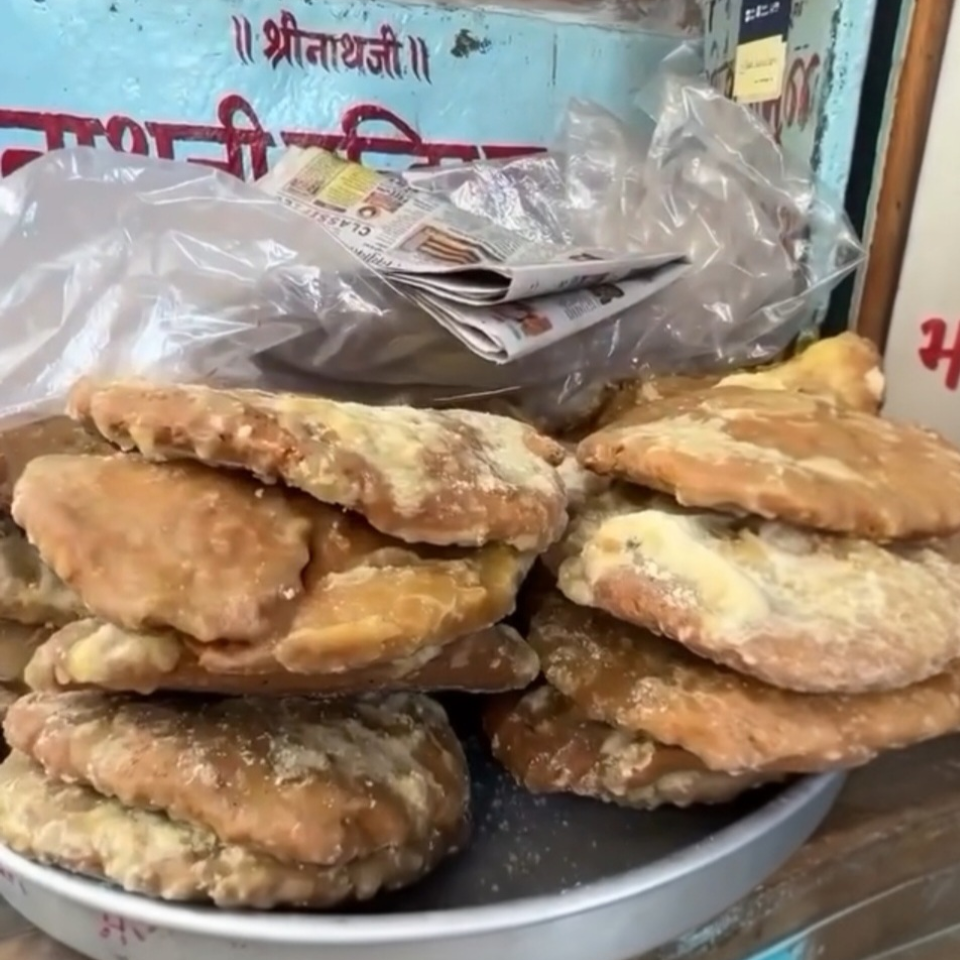
Once offered, bhog becomes prasad and re-enters circulation. It is sold, shared, carried home. Devotion also functions as an economic system. Dairy farmers, grain traders, utensil polishers, flower sellers work to the same ritual calendar.
Eating through memory
Many of Nathdwara’s sweet shops are now in their third or fourth generation. Names repeat across signboards; techniques pass through observation rather than instruction.
Over the years, shopkeepers who once saw me as a child accompanying elders began greeting me as a returning adult. Conversations lengthened — about pilgrim numbers, festival surges, and how Janmashtami can determine an entire year’s earnings.
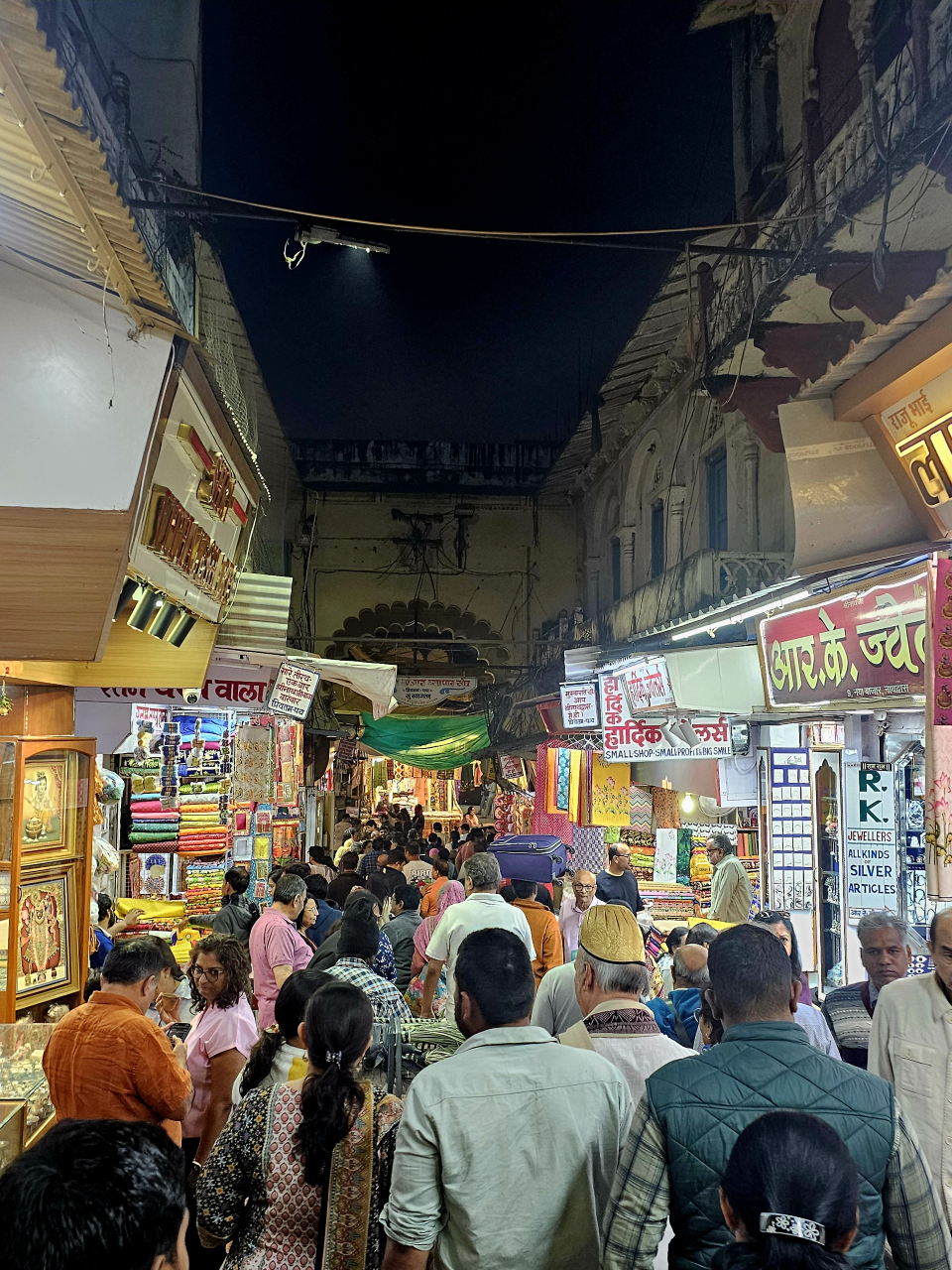
Pilgrimage sustains the town in shop ledgers, festival crowds, and conversations repeated each season.
Growing up, I associated pilgrimage with restraint — early mornings, queues, fasting. Nathdwara complicated that idea. It is deeply sensorial.
Meals, snacks, and the evening circuit
For a full meal, I usually walk to Vallabh Dining Hall behind the main road. The thali has not changed in years: tuvar dal, kadhi, bateta-tameta nu shaak without garlic, ghee phulkas, rice, and cold chaas.
Elsewhere, small haveli-style kitchens, often extensions of family homes, have fixed menus of panchmel dal, no hing-tempered vegetables, and sometimes ker sangri for take-home tiffins.
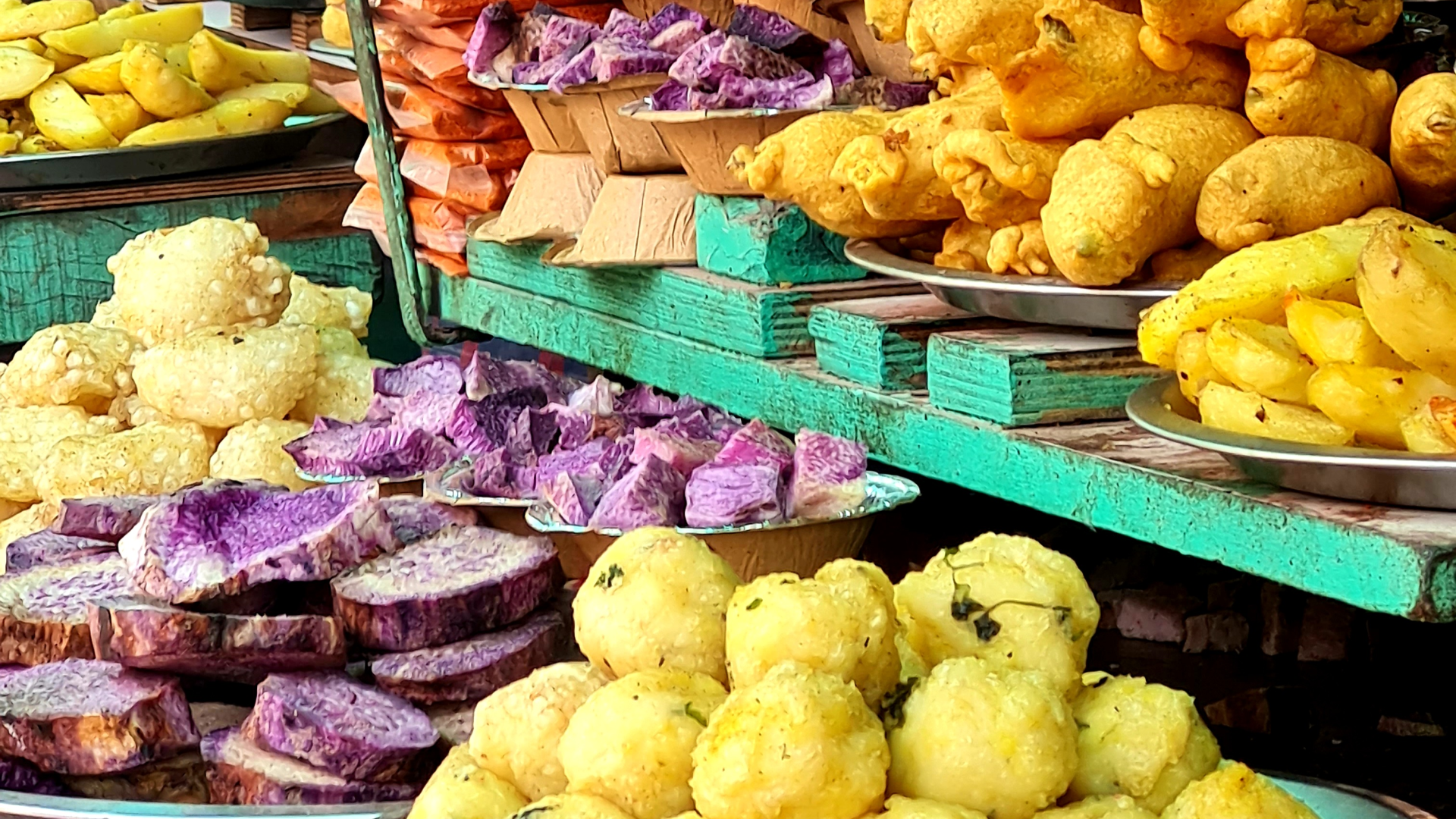
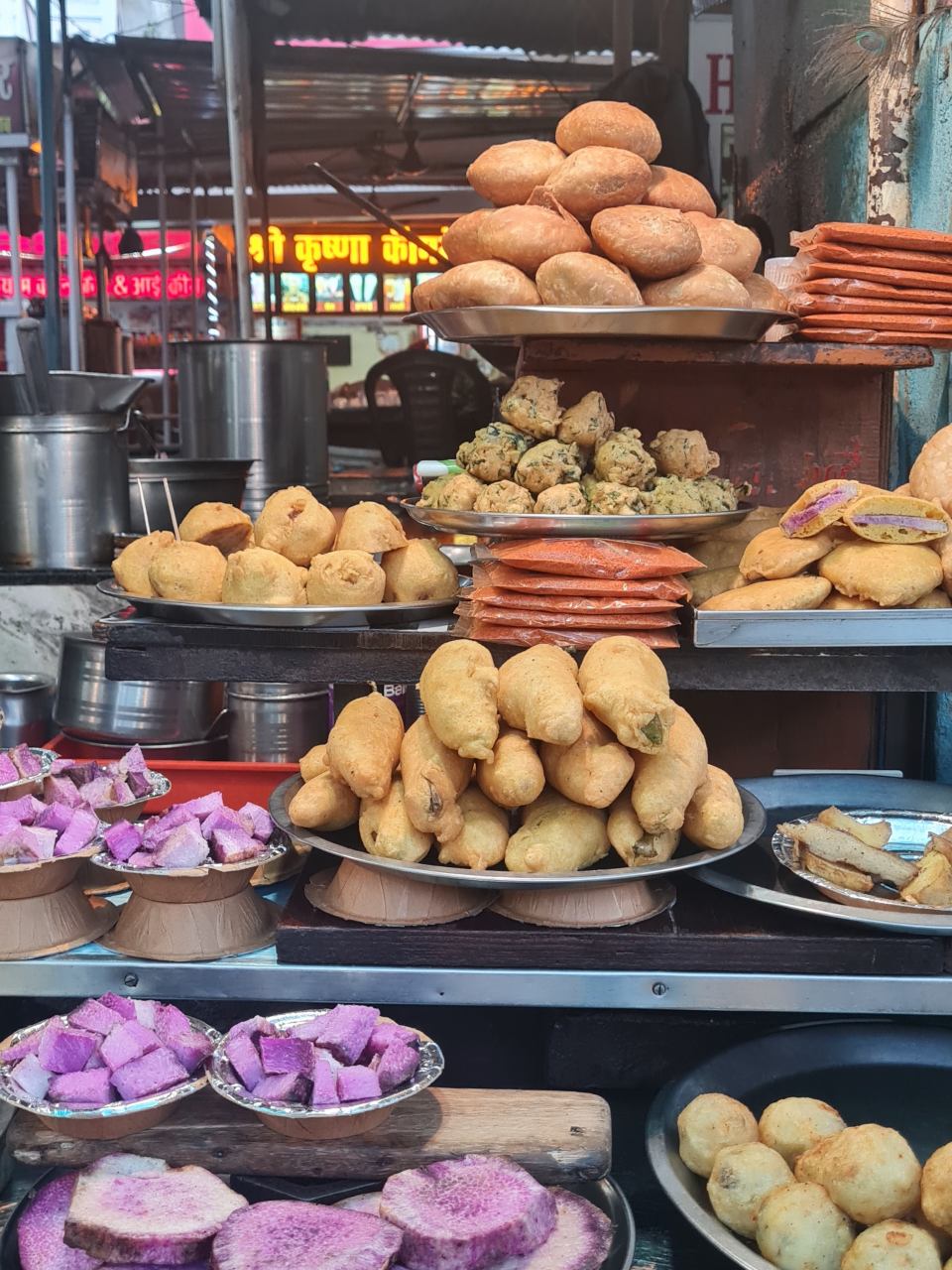
Later, the town shifts into snack mode. Nathdwara’s purple yam, or ratalu, differs from the versions I grew up eating in Mumbai. At Tanatan Masala Kand, cubes arrive fried and dusted with chaat masala in foil bowls with toothpicks. Calories quickly stop being relevant.
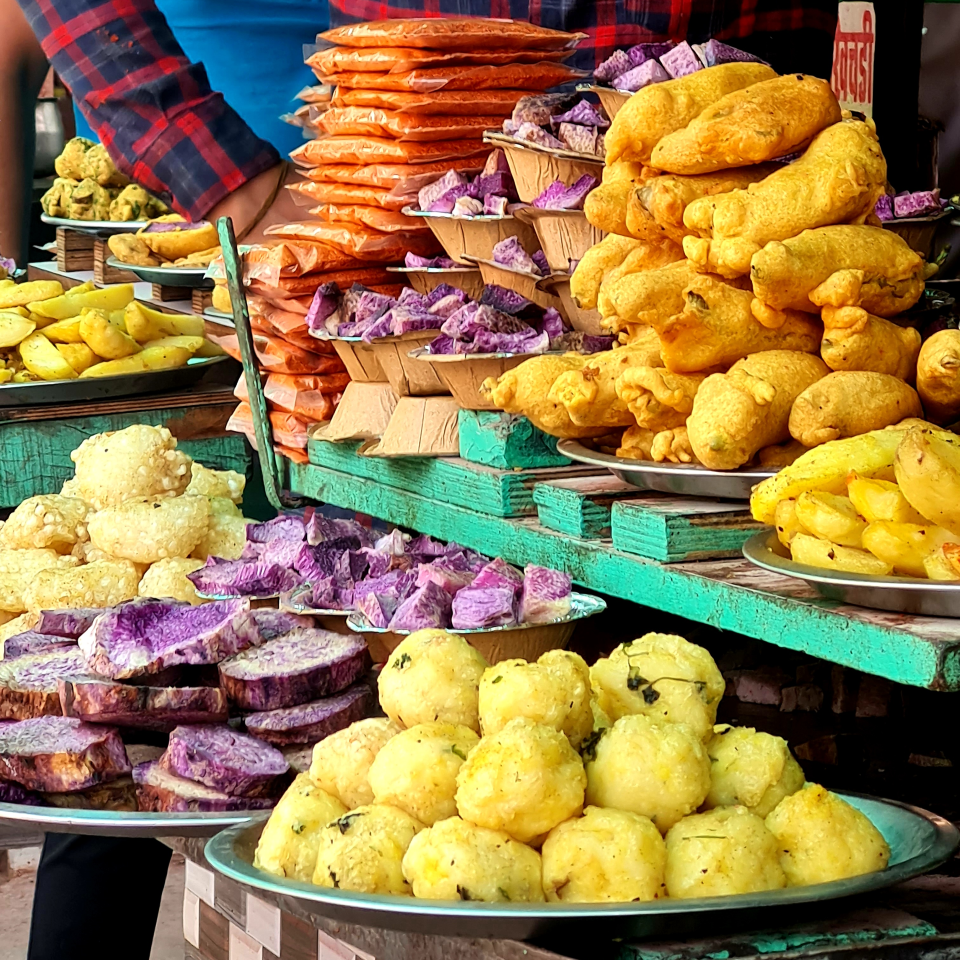
After two katoris, I reach for nimbu shikanji from Shankarji’s stall — black salt, roasted cumin, pepper, and ginger cutting through the heat.
Nearby, stalls sell readymade thandai masala, mukhwaas and crystalline sendha namak sourced from nearby hills.
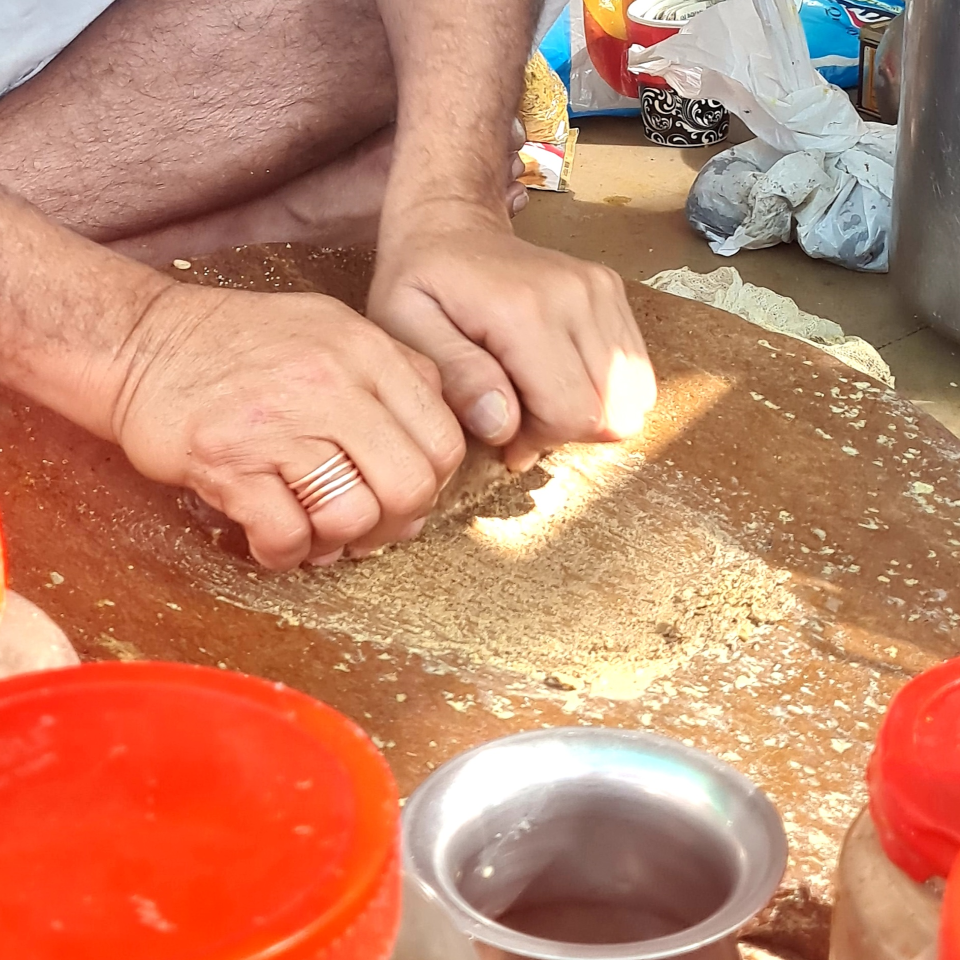
Shankar Kachoriwala’s dal kachoris, Mohan Mirchi Vada Stall’s stuffed green chillies, hing-jeera aloo with hot puris, garam jalebi and fafda — eating here becomes a circuit rather than a single meal.
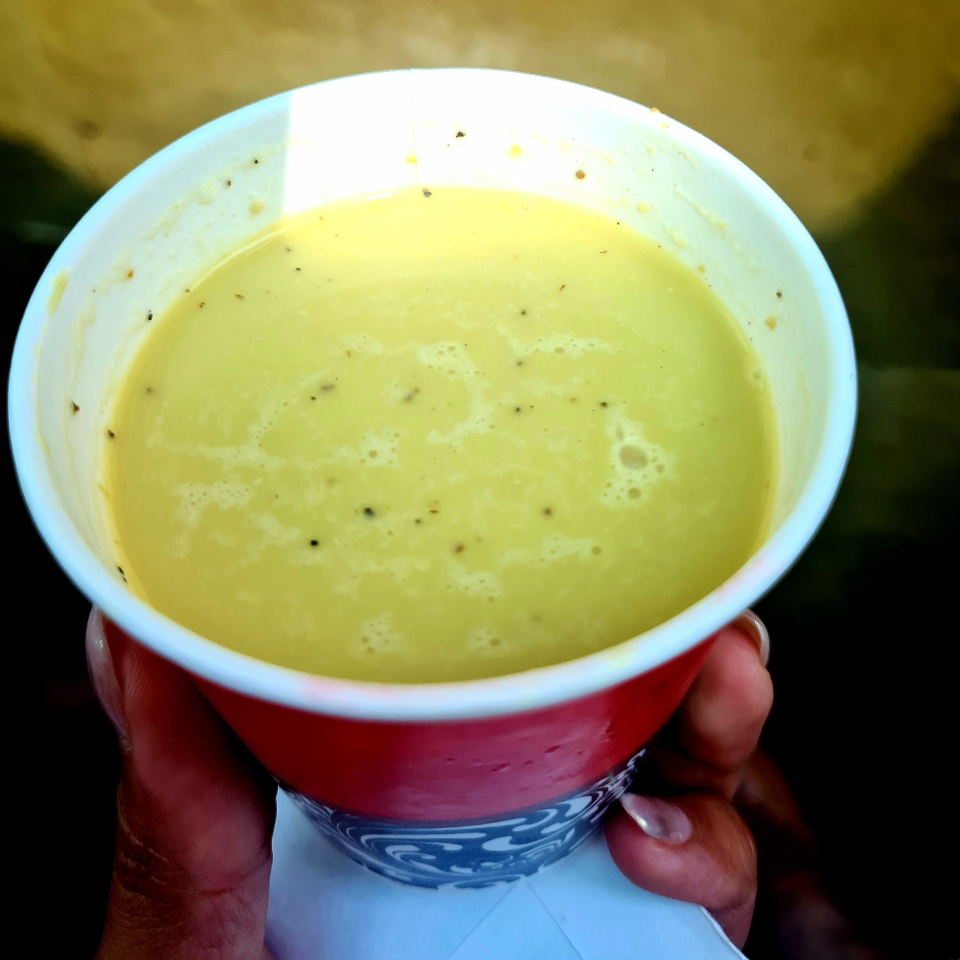
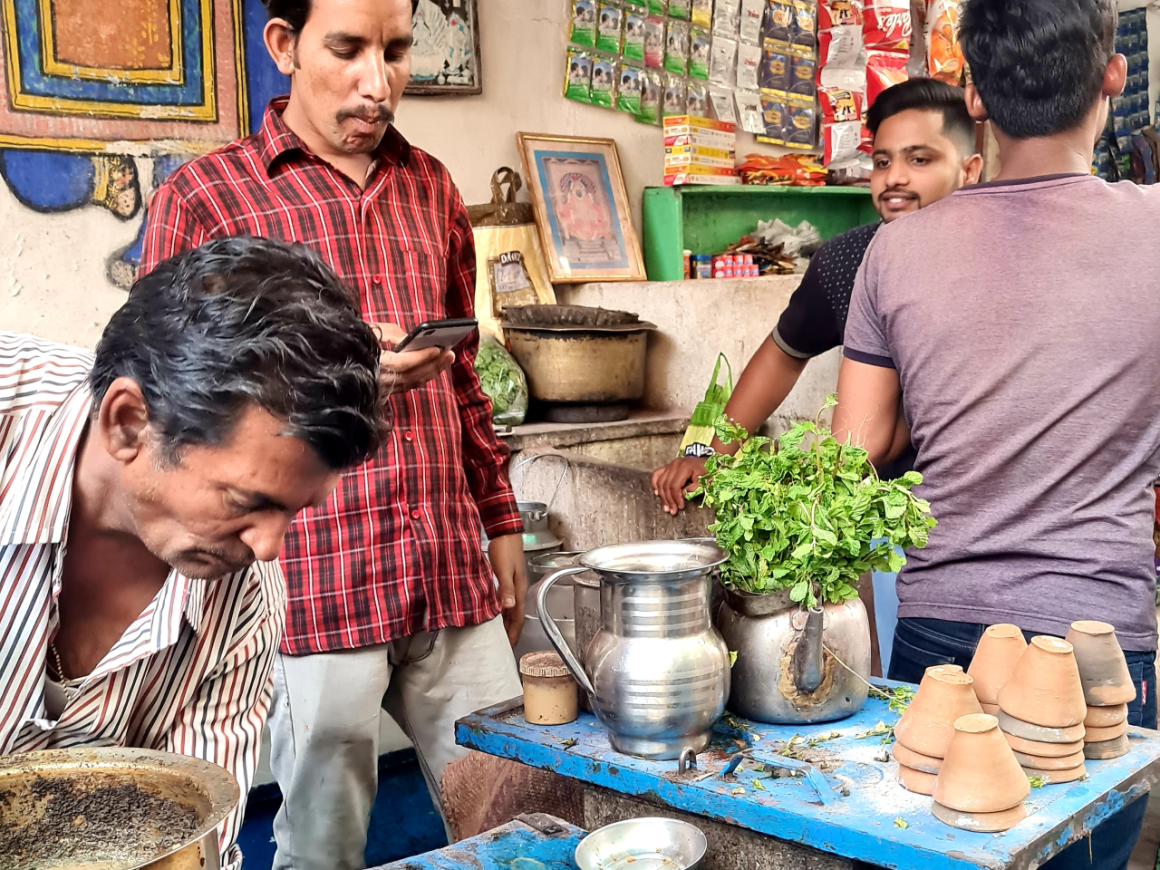
And then, inevitably, chai. The chaiwala crushes mint leaves between his palms before dropping them into boiling milk over a wood-fired sigdi. The aroma is instant — green, restorative — and poured into wide kulhads that warm the hands as much as the body.
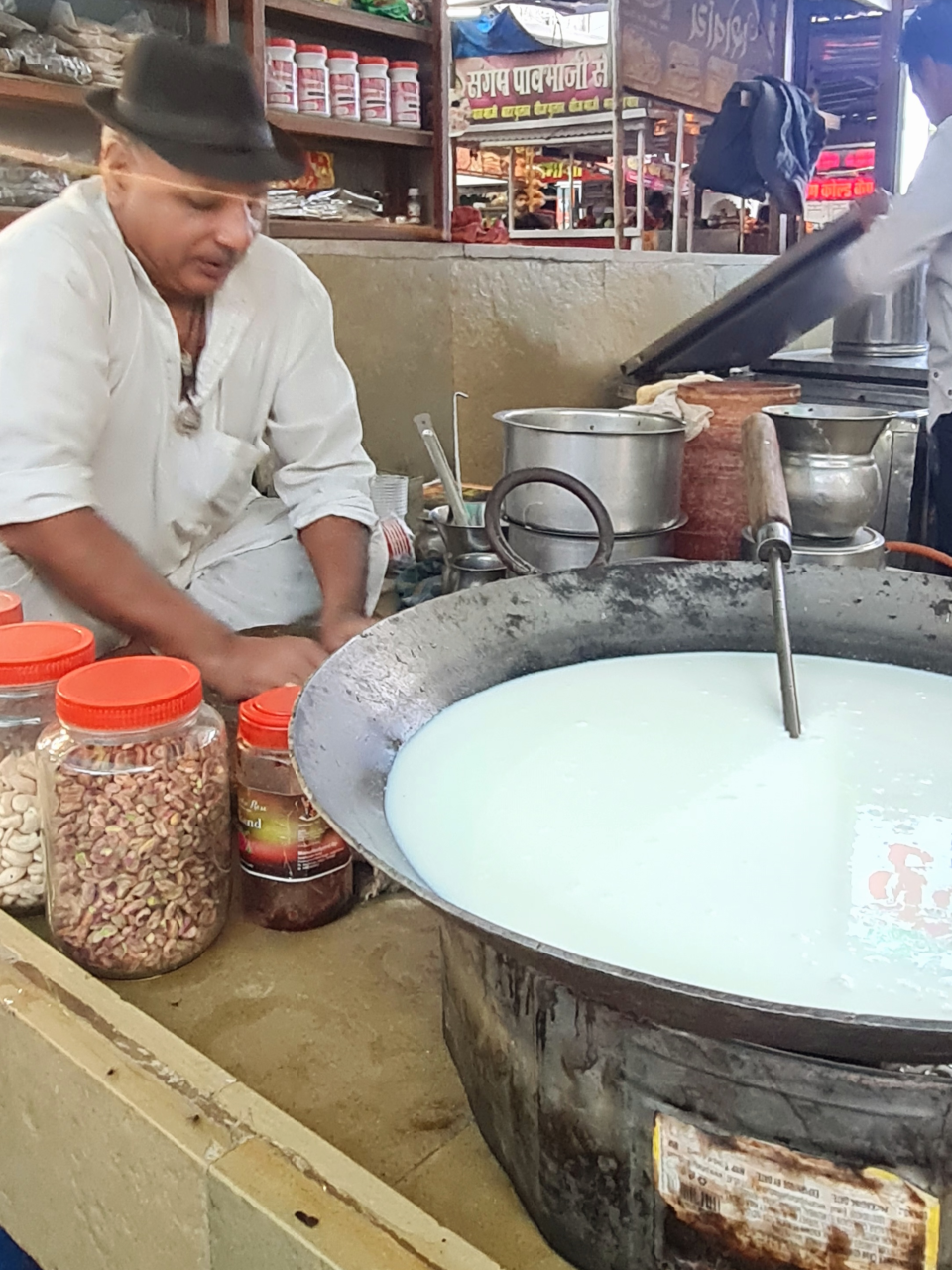
At Brijwasi Bhaang Thandai Wala, I order regular thandai: almonds, rose petals, chironji, pepper. The owner remembers my family from our annual visits and prepares refills without asking.
In Nathdwara, familiarity accumulates slowly but permanently.
The circle behind the food
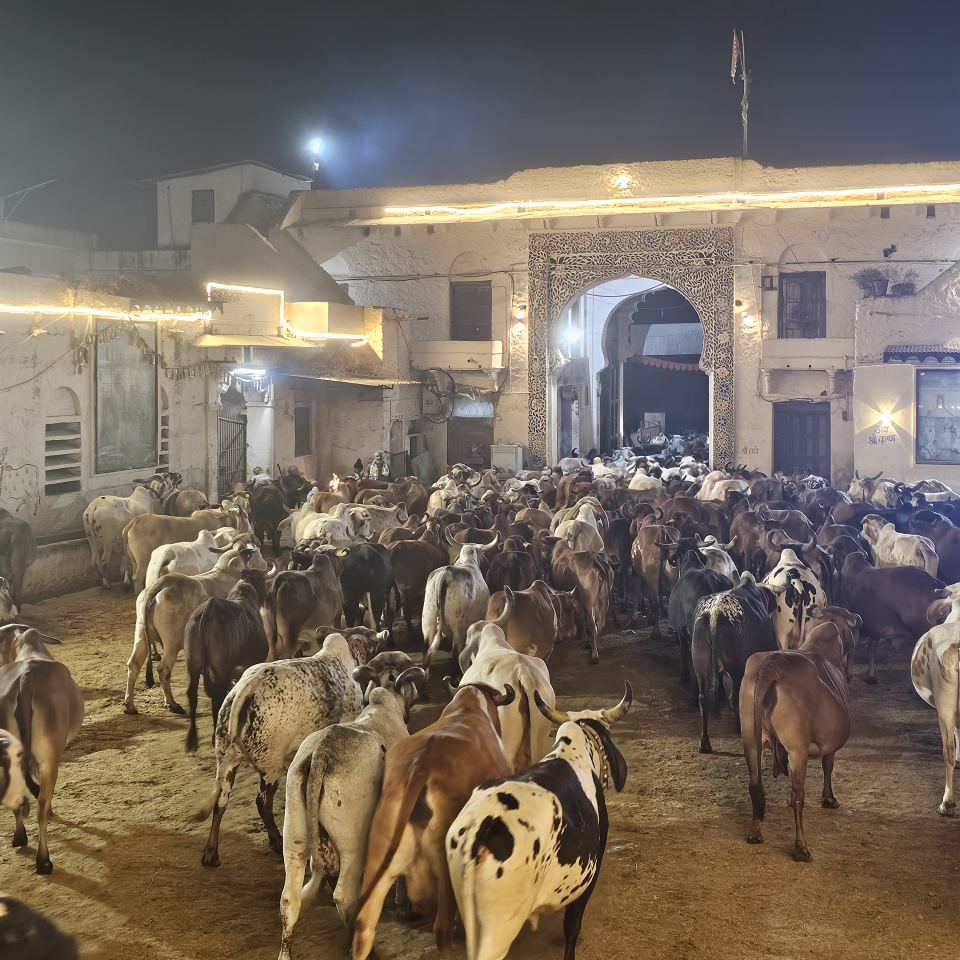
Behind this entire system lies the gaushala.
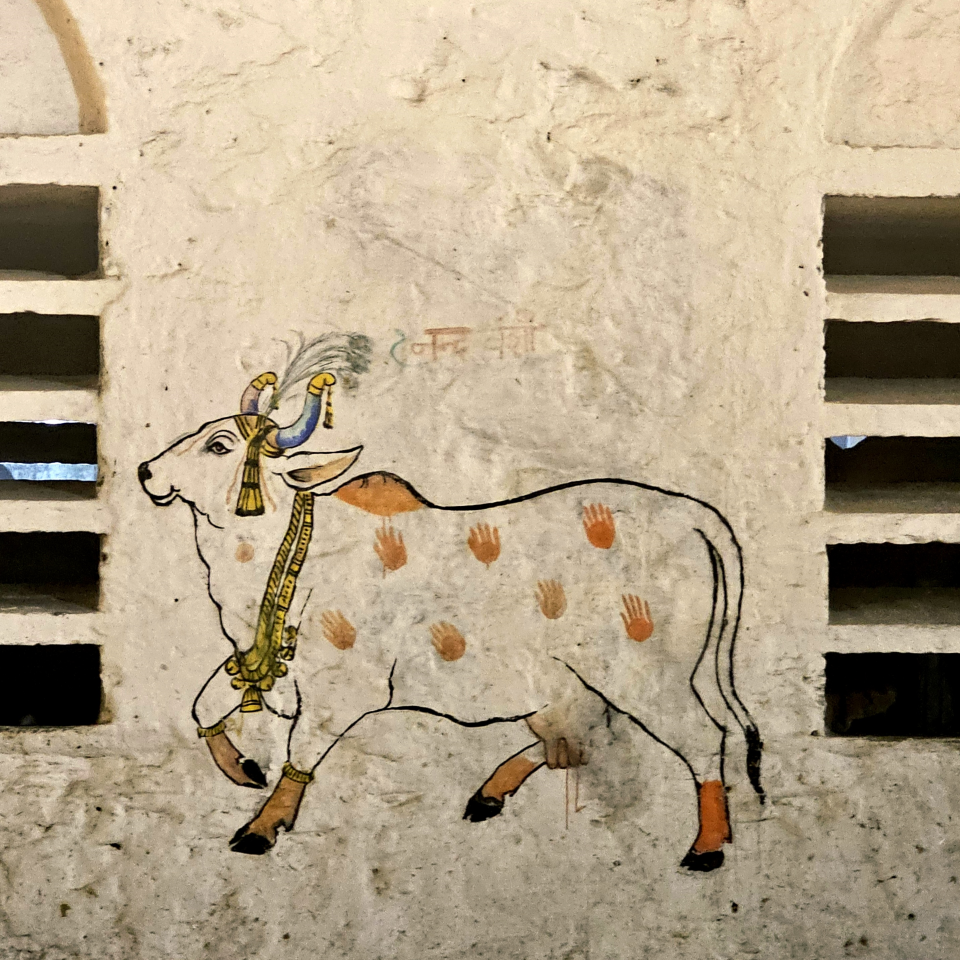
Before milk becomes peda, before butter becomes offering, before ghee meets flame — there are cows. Many devotees still bring rotis smeared in ghee or bundles of fodder.
Milk becomes ghee.
Ghee becomes bhog.
Bhog becomes prasad.
Prasad feeds the town.
Food moves in circles.
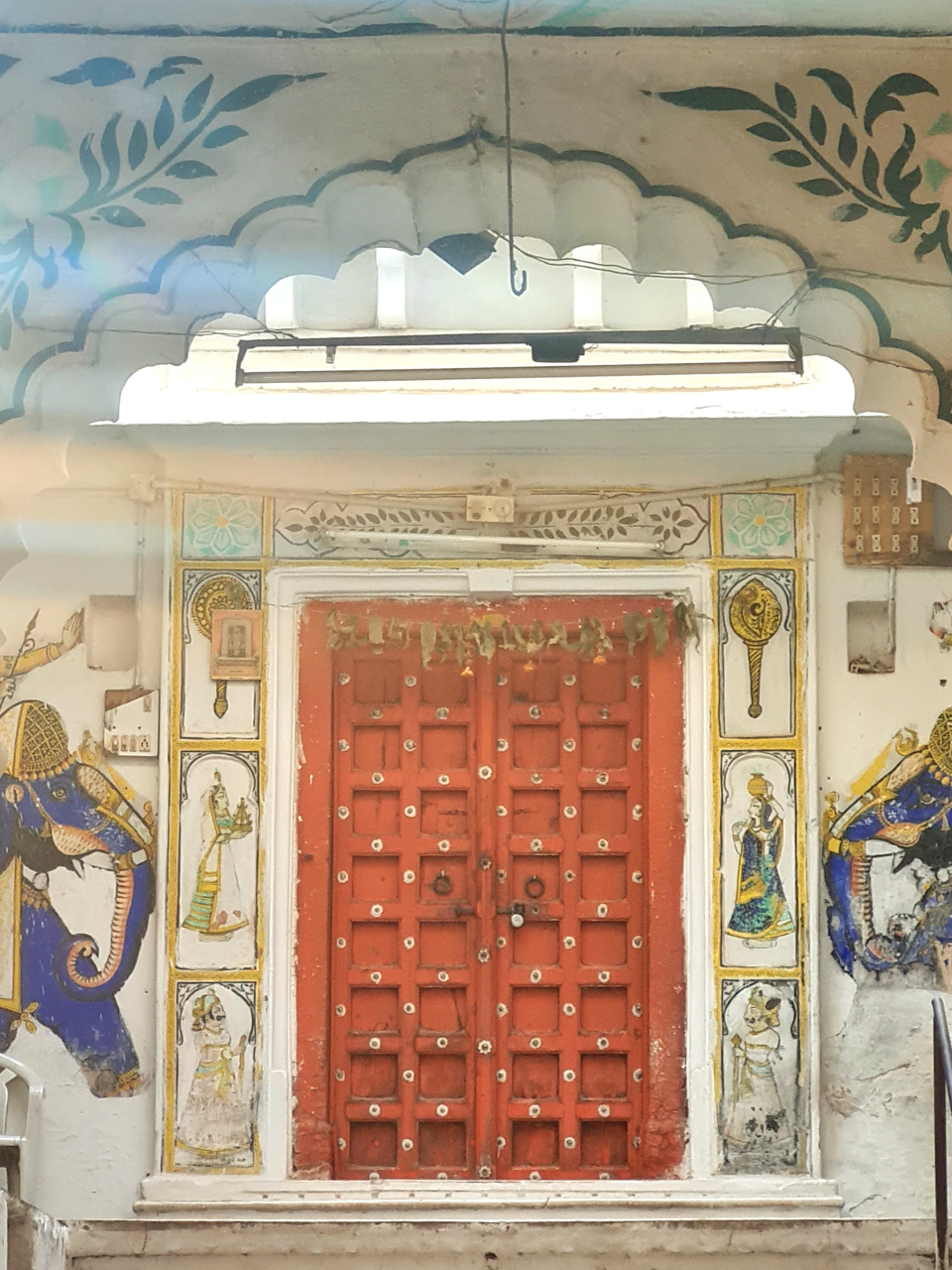
Even Nathdwara’s Pichwai paintings reflect this cycle with winter saffrons, monsoon greens, Sharad Purnima whites — this is cuisine and art tracking the same seasonal logic.
Learning to pause
On a recent visit, I stood in the courtyard waiting for evening darshan, in a crowd that shifted forward slowly. Around me were people who had been coming here far longer than I had. The woman beside me told me she had been visiting for thirty years.
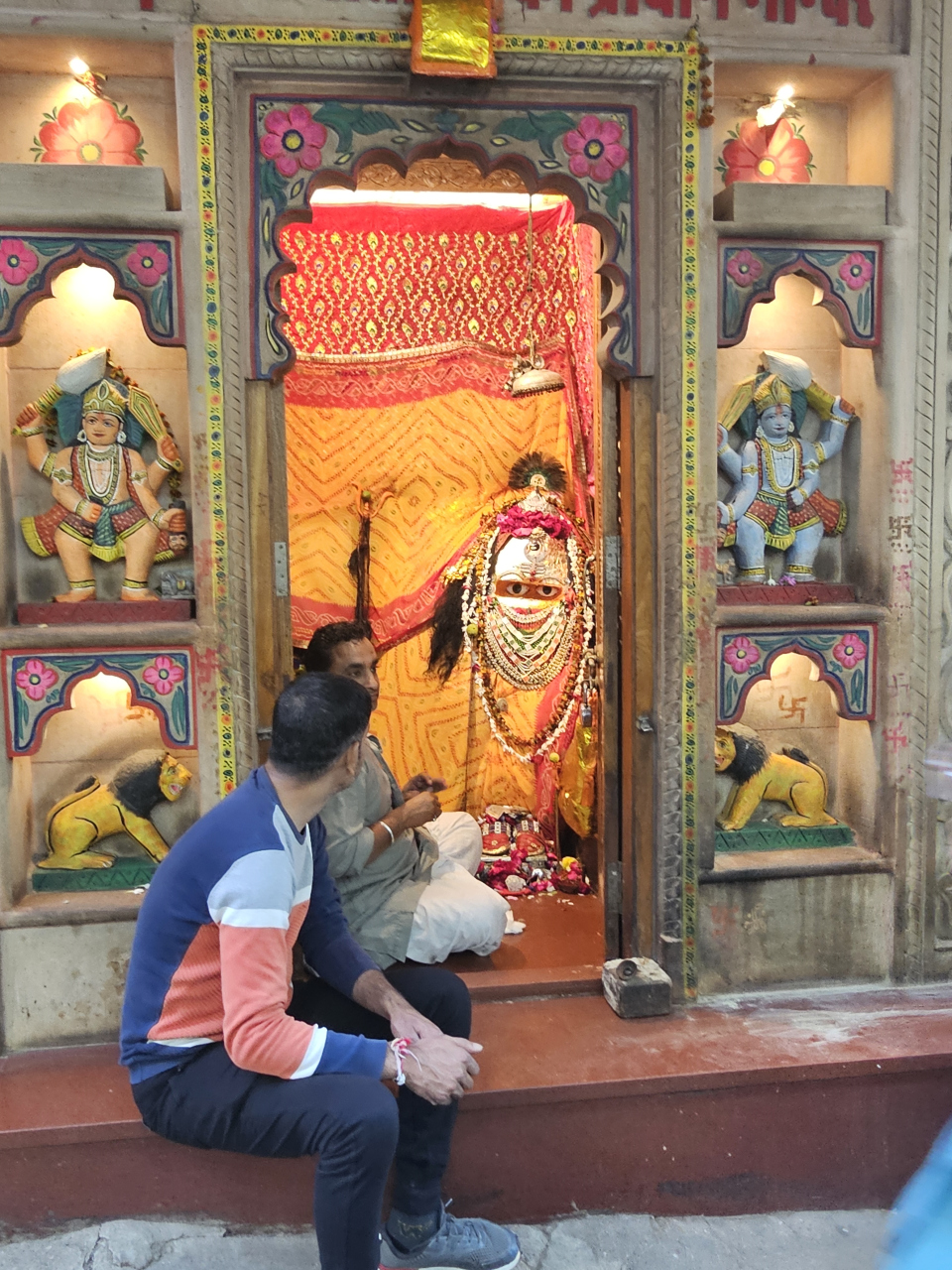
“Why do you keep returning?” I asked.
She casually said, “Because here, we feed him. And he feeds us.”
The answer felt less symbolic than practical. Outside the temple gates, vendors were rearranging sweets and pouring chai. The town adjusted itself seamlessly, as it does several times a day.
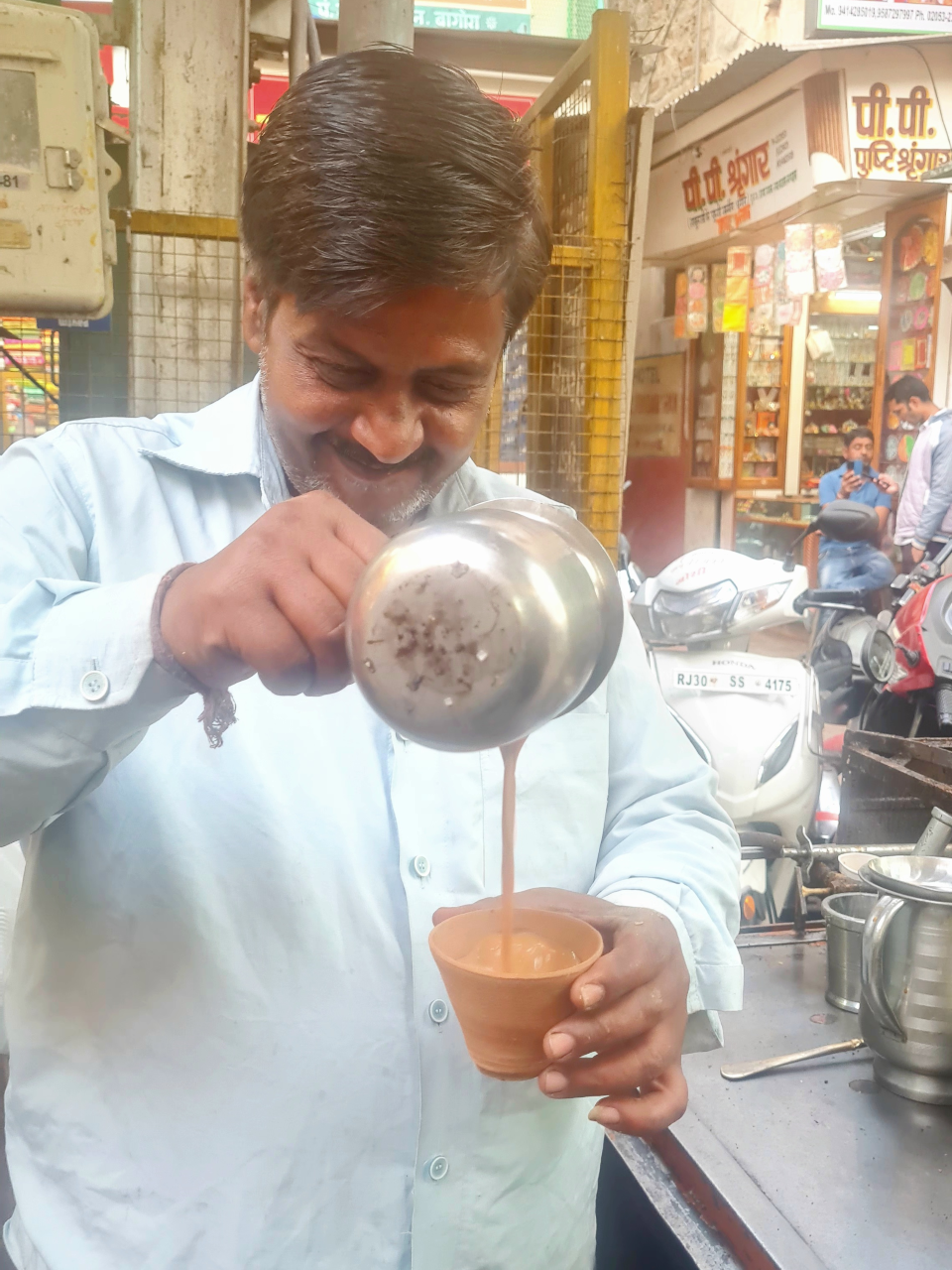
The deity’s daily seva sustains an ecosystem of dairy suppliers, grain merchants, sweet makers, utensil polishers, flower vendors and possibly more. Modernity has arrived: QR codes, prasad shipped across continents, vendors speaking three or more languages — but not much has changed fundamentally.
As a teenager, I resisted the pauses darshan imposed. Over nearly two decades of returning, I began to see Nathdwara differently. It is often reduced to a temple town or pilgrim stop, but what defines it is a shared agreement about when to pause and when to resume.
In most places, food adapts to us as it’s faster, more available. Here, you adapt instead. The bell rang, the doors opened, and the line moved forward. This time, I didn’t notice the wait at all.
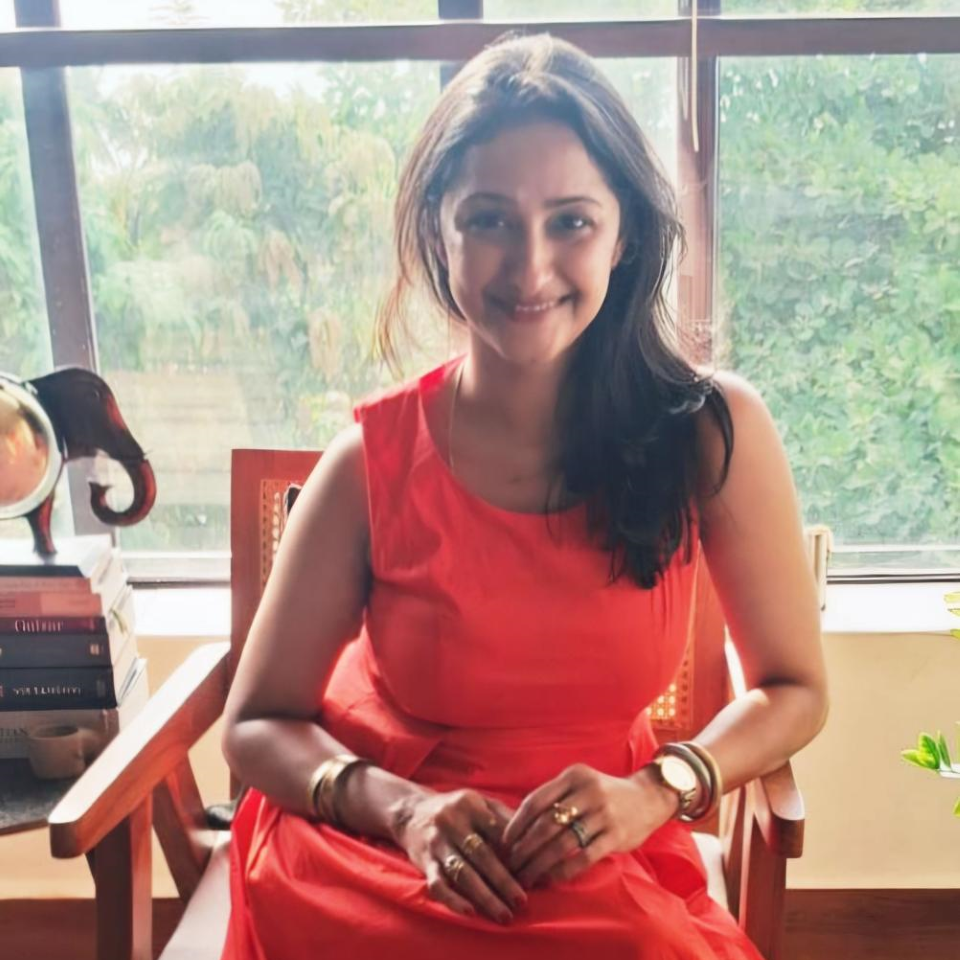
Devangee Ganatra is a travel and food writer whose journeys are often guided by what people eat and why. Drawn to local food traditions and the stories behind them, she explores places through their flavours, rituals and everyday lives. With a background in law and the travel industry, she is particularly interested in the ways food reflects culture, history and a sense of place.
“The views, historical interpretations, and opinions expressed in this article are solely those of the author and do not necessarily reflect the official position or stance of Bruite Magazine.”
Translations and detailed descriptions are provided to give a better understanding of the story to people from different cultural backgrounds across the globe.
Incredibly engaging, time to visit Nathdwara
Thank you for taking the time to read. Please do go, its beautifully chaotic and alive 🙂