
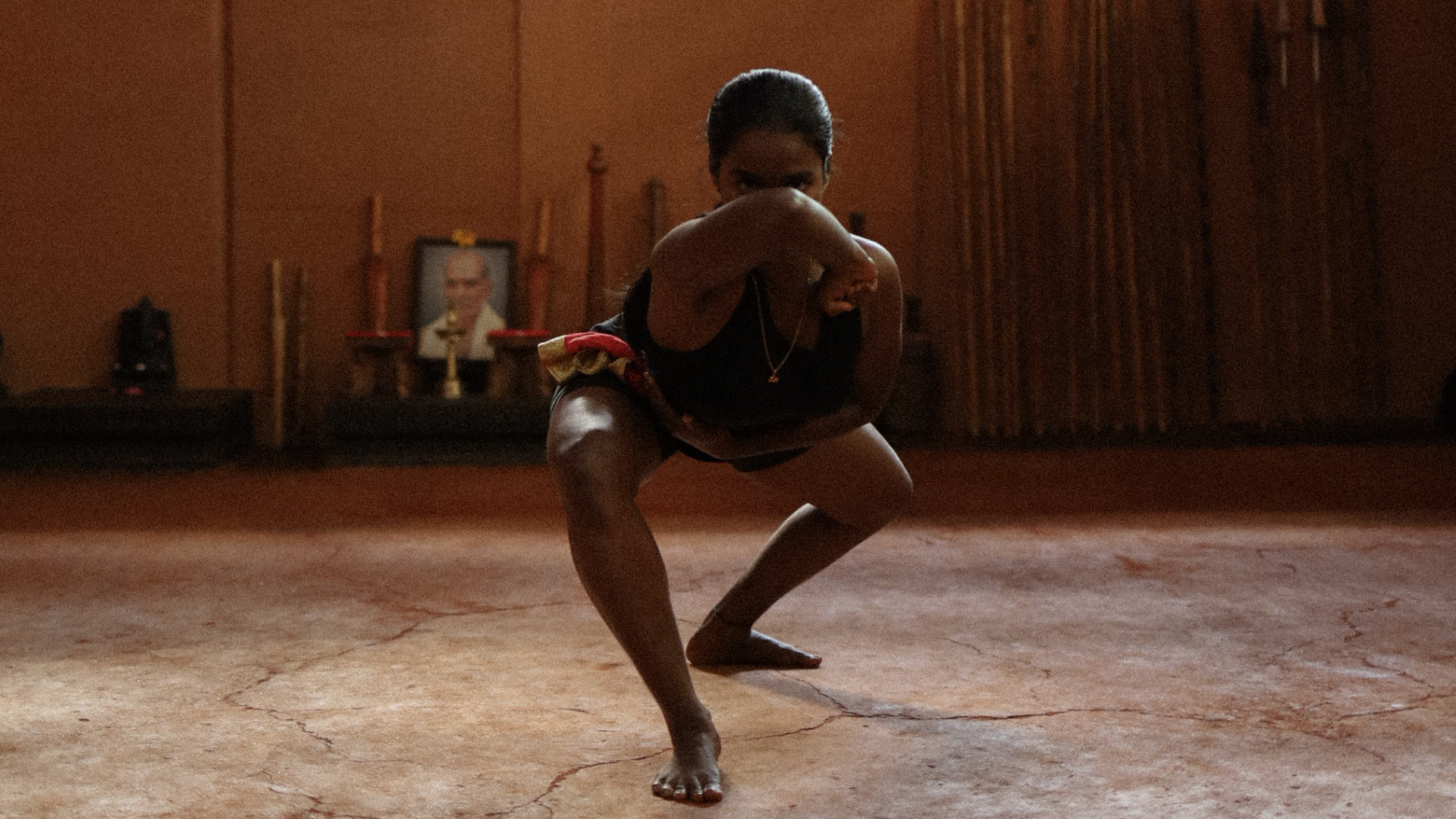
Inside the sacred pit, weapon practice, and daily discipline of the form.
My day does not begin with the sharp buzz of a phone, but with an internal rhythm that consistently beats the alarm. Outside, the sky is still a deep blue, carried by a frisky breeze and marked by the call of peacocks and the first chirps of birds. The transition from the warmth of my bed to the discipline of practice begins the moment my bare feet meet the cold floor. A single glass of water and this literal connection to the earth provide a grounding start—a quiet moment of preparation before the day demands anything else of me.
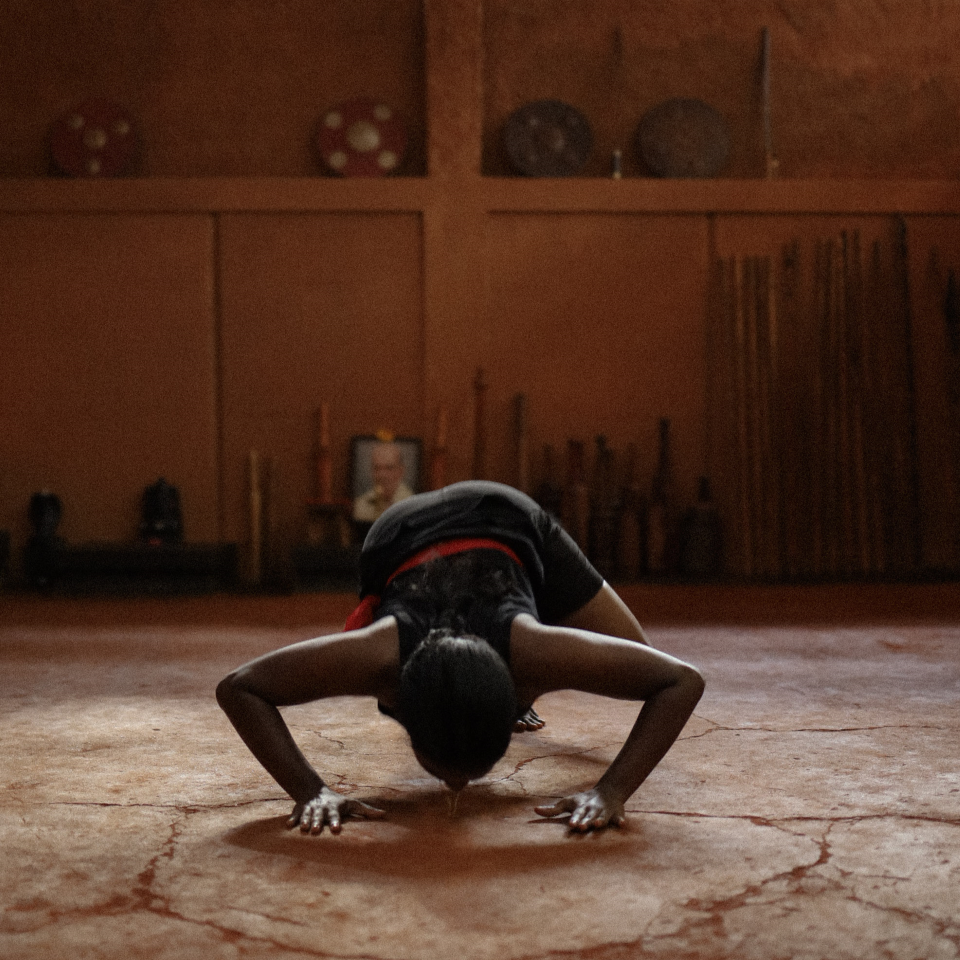
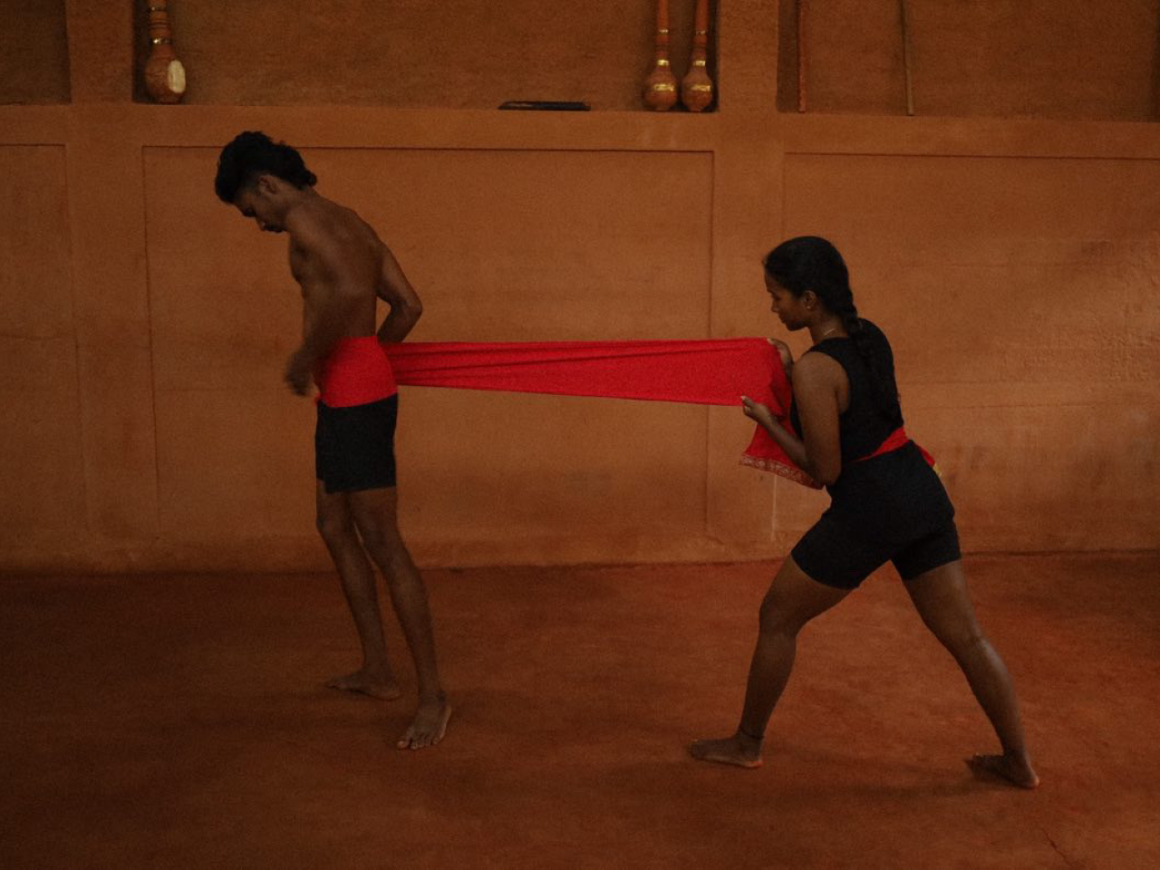
People often assume the practice only happens within the pit, but for me, it begins at the mirror. As my Gurukkal always says, the ritual of Uzhichil (oil massage) is the first deep conversation I have with my body. As I work the oil into my skin and secure my hair into a tight braid, I am preparing for physical meditation and mental battle. I then tie the Katchakettu—a traditional cloth around my waist, around 8 feet long—which serves as both support and a signal that the ritual has begun.
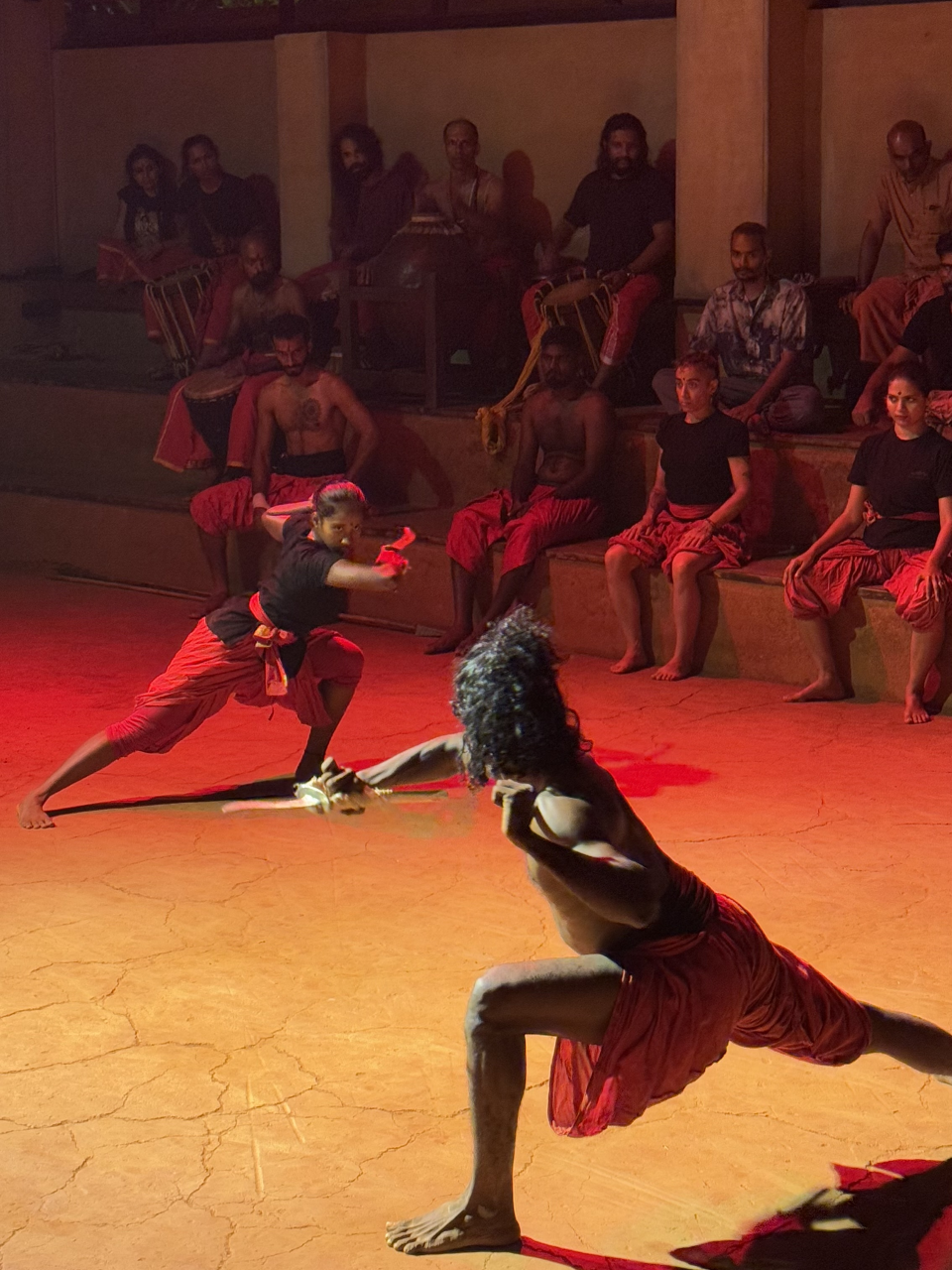
I was born and brought up in Pondicherry, yet I had no knowledge of Kalaripayattu until I saw a photograph of two practitioners performing Valavaram Chaadi during Vaal Payattu (sword fight). I remember asking how they were in the air and how the suspension cables were invisible. I think that photograph lit the first tinder inside me.
My first class was on a Sunday; Saturdays and Sundays are special classes taken by Ramesh Lakshman Gurukkal. Having no clue what was about to happen, I was excited like a kid, doing all the warm-ups and curiously trying out all the basic stances, until I was mind-blown by senior practitioners doing Meipayattu (a sequence of Kalari stances and leg swings stitched together for body conditioning). My love at first sight was Meipayattu; I would take a thousand births just to practice it. I know it’s a strong and dramatic statement, but isn’t that what love is?
Kalaripayattu is often called the mother of all martial arts, originating in the South of India. It is said that Lord Shiva himself taught this art to Parasuraman, but because the world could not withhold the stamps of Shiva, Parvathi offered her womb as a place to teach. This is the origin of the Kalari pit. Our lineage, the Arappa Kai Sambradhayam, flows from Shri Kottackkal Kanaran Gurukkal to Shri Veerasree Samy Gurukkal, who established Hindustan Kalari Sangam in 1952. His eldest son, Sri Lakshman Gurukkal, later established Kalarigram in 2010.
The pit (Kuzhi Kalari) we practice in today is built in the traditional way, where the space sits six feet below ground level to resemble the sacred womb of Parvathi. The floor—made of red soil, milk, neem oil, turmeric, and other Ayurvedic ingredients—is a living surface. In the southwest corner is the Poothara, revered as Parvathi’s body and head, with its seven steps representing the seven chakras of the human body. Alongside Nagabagavathi, Ganapathi Thara, and the Guru Thara, we light lamps and pray for our protection and well-being before the practice begins.
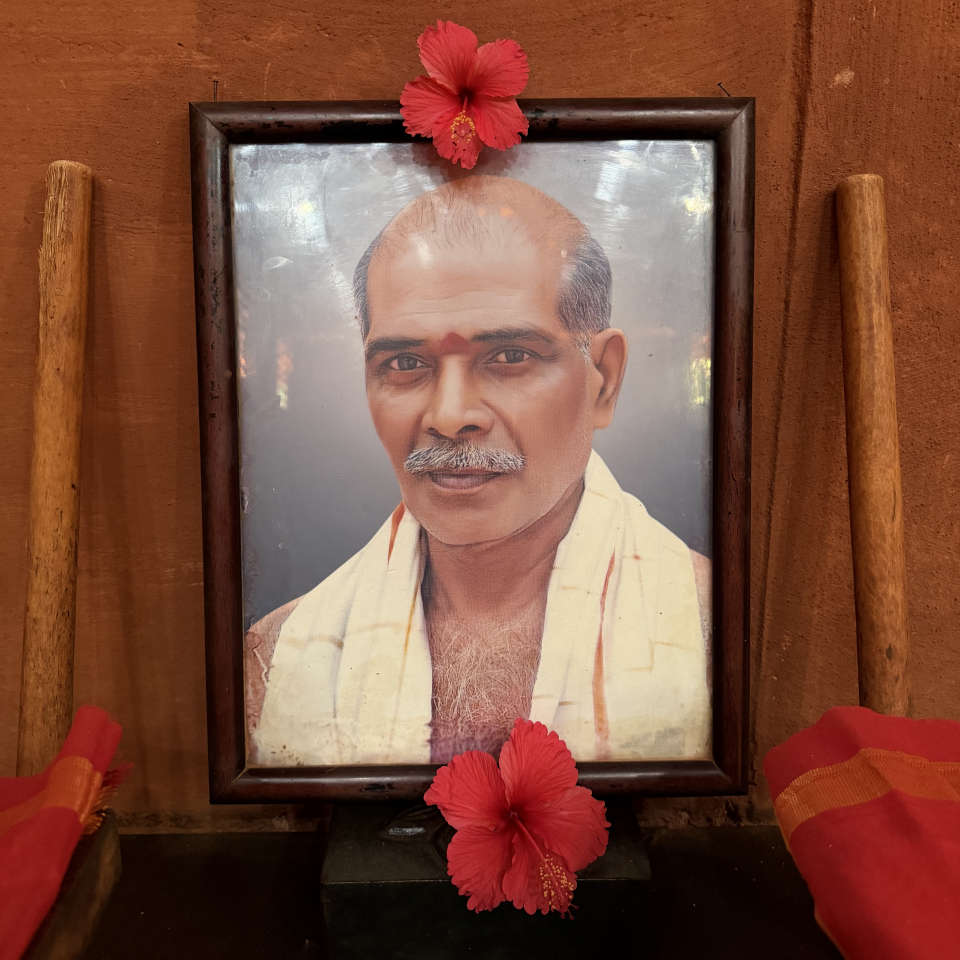
My favorite moment is the last five minutes of the practice. When I am in Vajrasana, I feel at home; I feel I belong to the pit. The photo of Sree Veerasami Gurukkal has never felt like just a photo to me; I feel watched and protected by him every minute. Our conversations are unmatched—perhaps he is my own reflection, or a spirit guide who identified me and now holds me close, supporting me every step of the way.
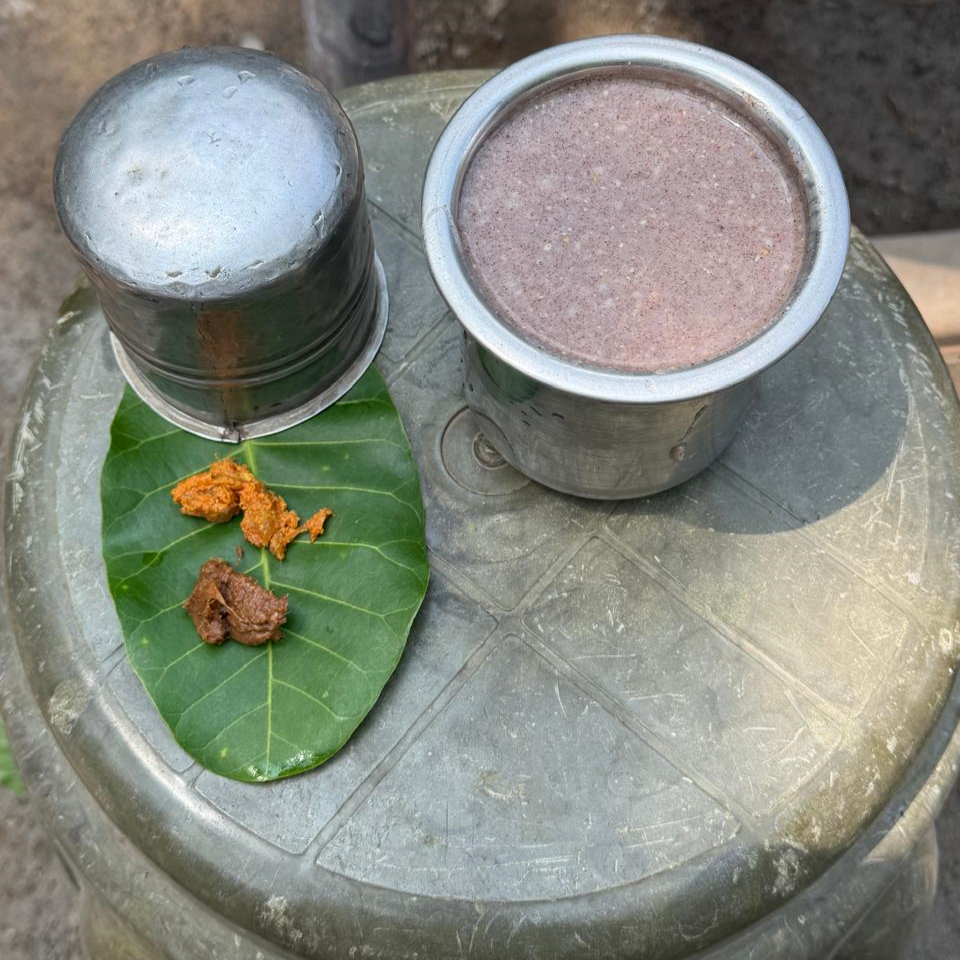
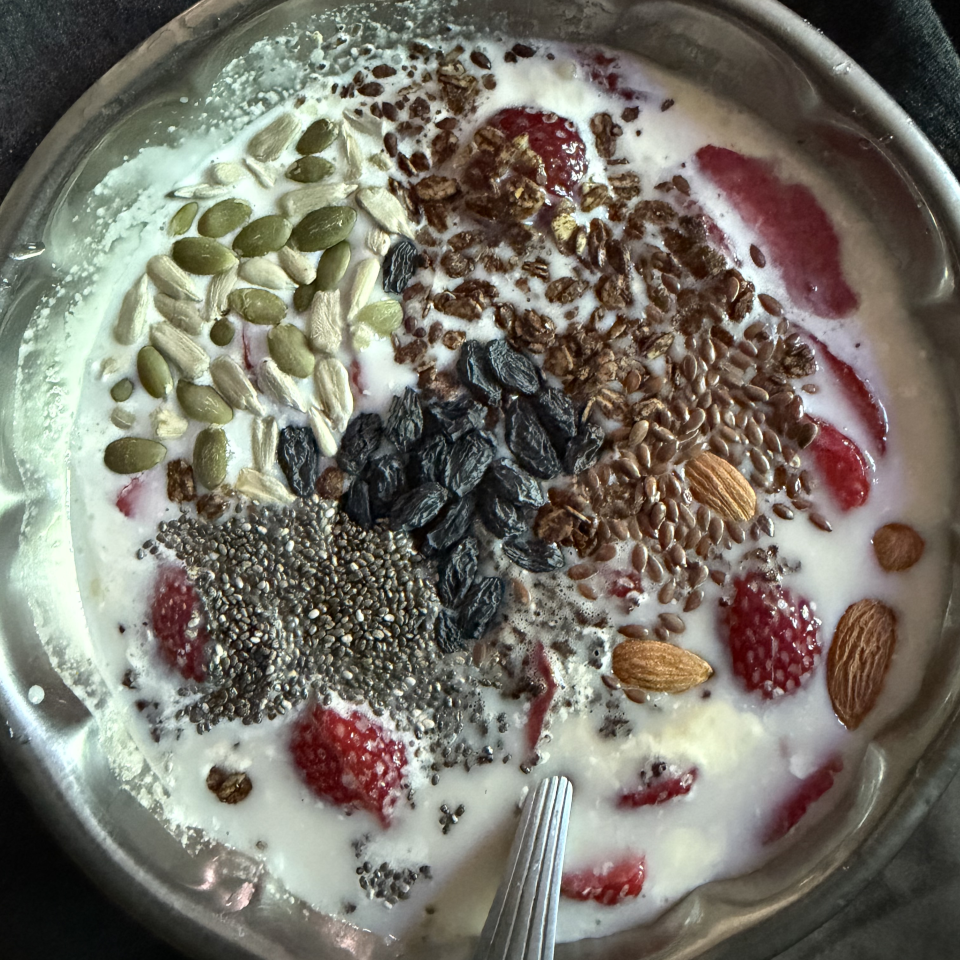
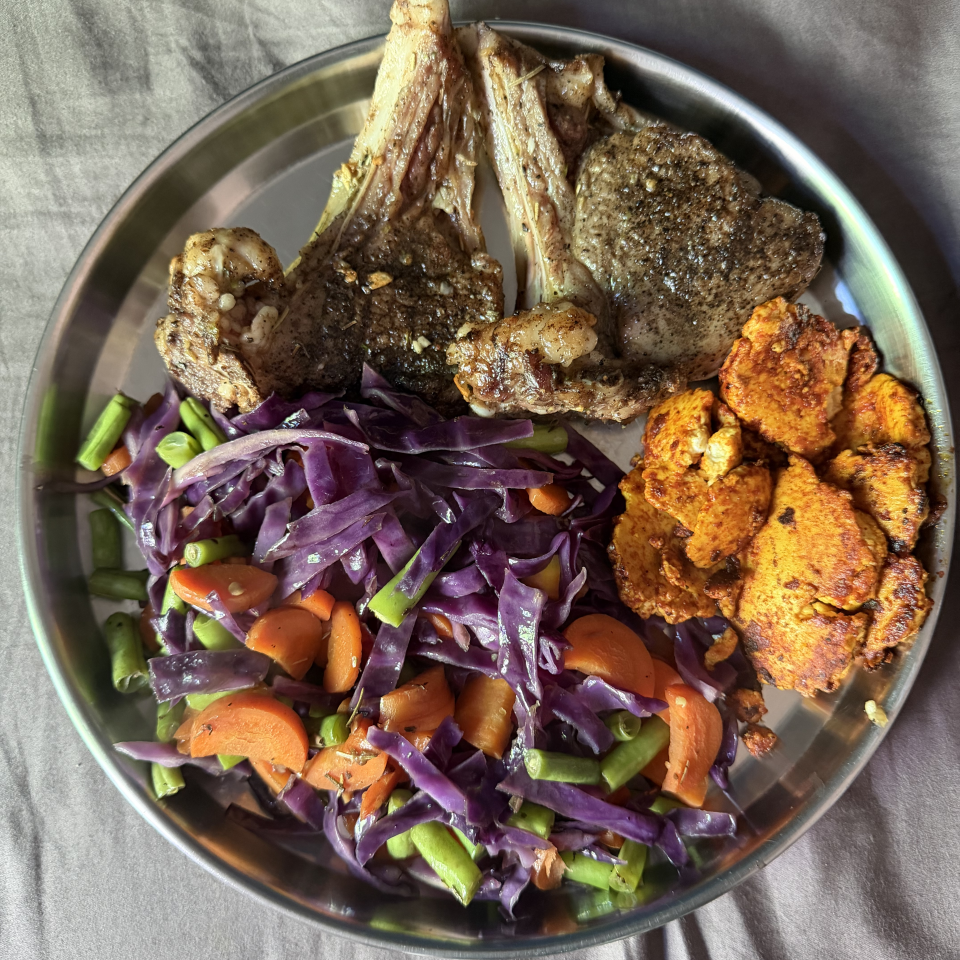
After the intensity of the pit, the world feels sharp and vivid. I head to a local shop for a tender coconut—a cooling necessity to replenish my senses. My diet is never about counting “macros,” but about what my heart craves: well-balanced, home-cooked South Indian coastal meals. I cook my own food, finding strength in these roots. However, there are days where simple idlis and traditional Ragi porridge with amla pickles from local Amma shops do the same magic, too. These hearty meals, combined with the right amount of sleep, are what allow me to continue the practice while mulling through the demands of a nine-hour IT job.
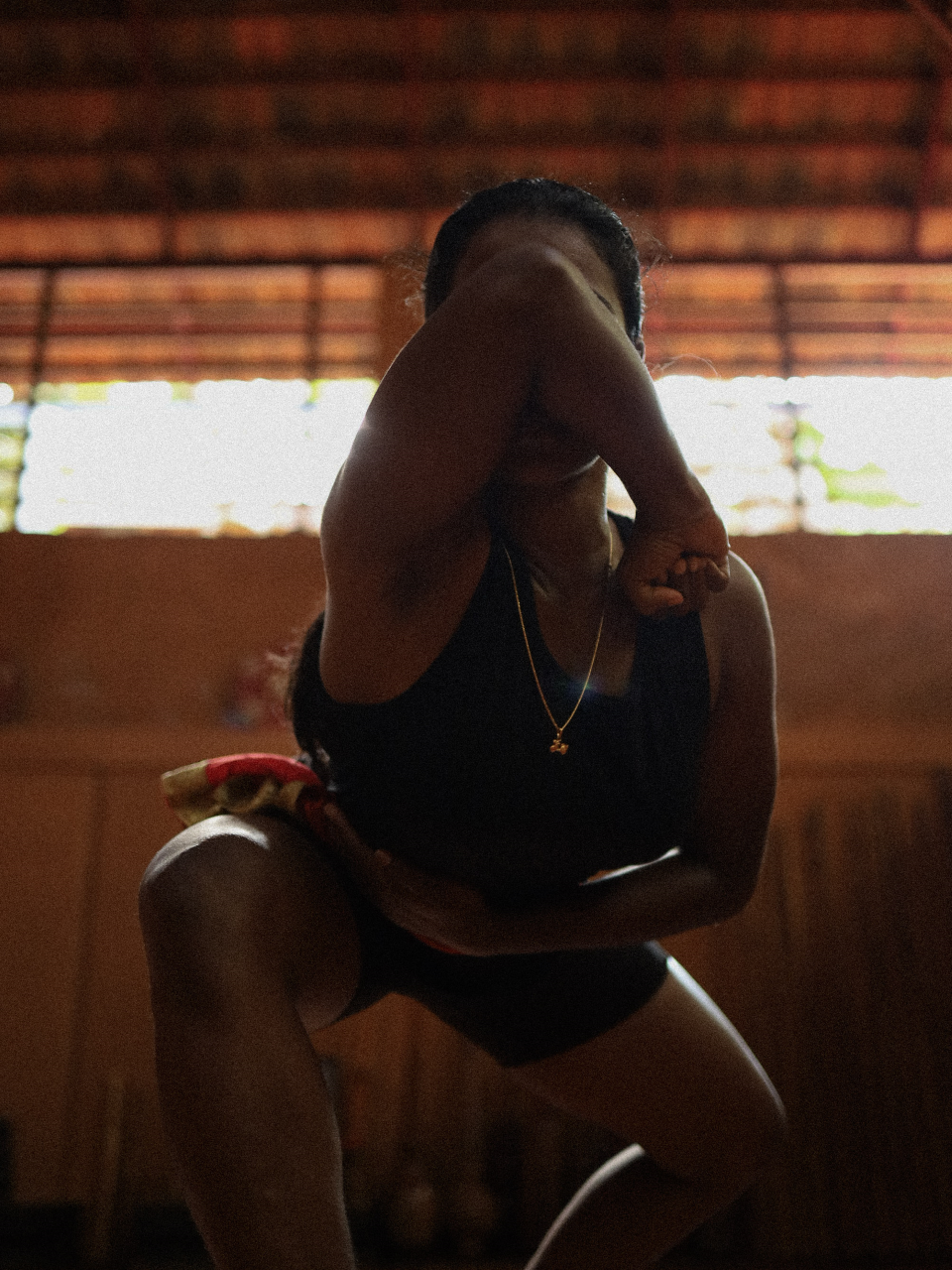
In our Kalari, we practice in a mix of age groups, from seven-year-olds to those over fifty. We must master Meithari (body conditioning) before being initiated into weapons. We have Kolthari (wooden weapons) and Angathari (metal weapons). Vadifrom the Kolthari is the first weapon initiated to a practitioner; once we master that, we move on to the next in line: Cheruvadi, Ottakol, and Gadhai. Kolthari helps us build upper body strength and changes our awareness of carrying a weapon until it becomes an extension of our body. In Angathari, we have Kundham, Kattaram, Vaal Parija, Marapidicha Kundam, and Urumi. Each practitioner practices a weapon year-long, and if the Guru feels the student is ready, they will be initiated into the next weapon on the auspicious day of Vijayadhasami. Our Gurukkal often says a weapon is not a separate object, but an extension of our body; we care for it as if it is our child and our god. Every time we start weapon practice, we pray to it to protect us and our partner.
Integrating my earlier habit of practicing yoga asanas as a cool-down benefits my Kalaripayattu by making me more grounded and calmer—especially when I’m expecting a strike from a deadly metal weapon, and likewise, in the quiet tension of the corporate boardroom. My recently found joy of floating and swimming in the pool, and the way the water carries me, also helps with my recovery and muscle strength.
To me, Kalaripayattu isn’t just a two-hour physical workout; it is a way of living. It is not merely a practice, but a lifestyle complete with its own gods, protectors, and ancestors. It has become so intertwined with me that the boundaries have blurred. Amid the chaos of life—whether I am standing on a crowded bus, stuck in rush-hour traffic, or strenuously hiking a mountain—I often wonder: Am I sustaining this practice, or is the practice sustaining me? I can only hope that I may always remain devoted to this practice.
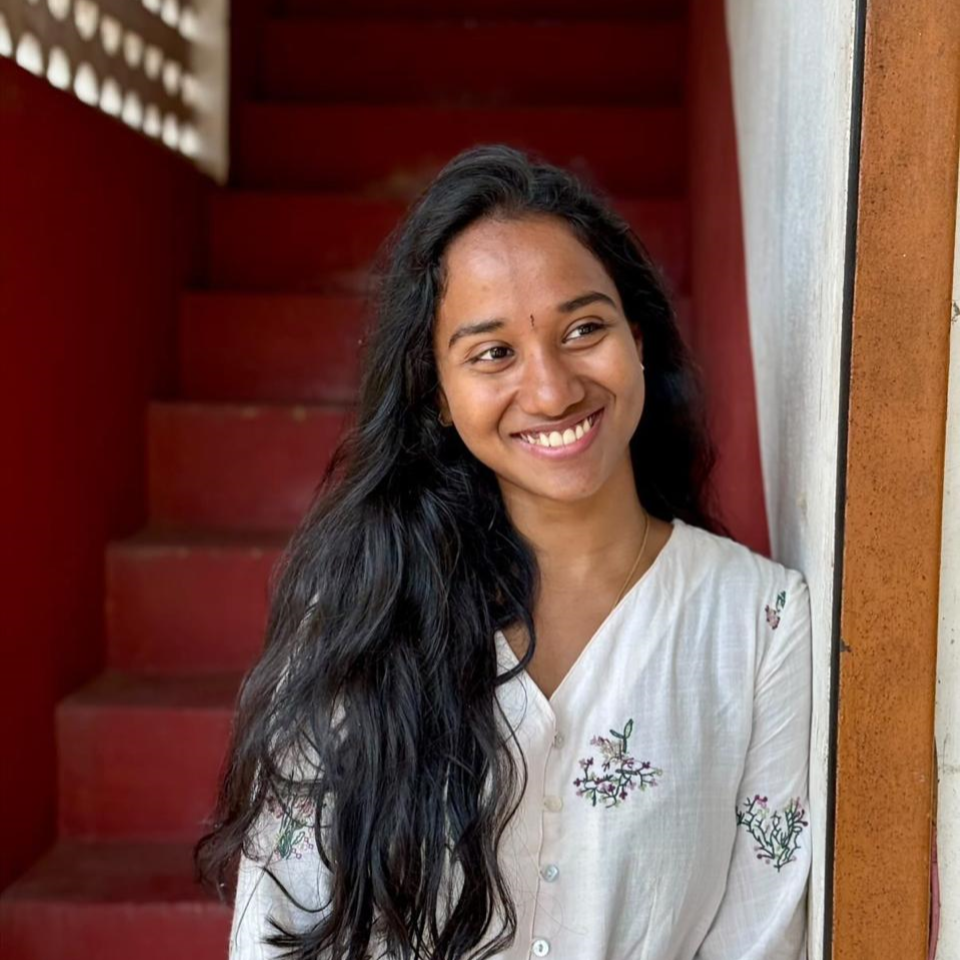
Swetha is a Pondicherry-based IT professional by day and a dedicated practitioner of Kalaripayattu by dawn. Training under Lakshman Gurukkal in Kalarigram, she finds her daily anchor within the sacred earth of the Kalari pit. For Swetha, the ancient art is not just a physical practice, but a way of living that brings clarity, awareness, and a sense of calm to the chaos of modern life.
Photo Credits : Julie Ponge (Instagram : magma_lova)
“The views, historical interpretations, and opinions expressed in this article are solely those of the author and do not necessarily reflect the official position or stance of Bruite Magazine.”
Translations and detailed descriptions are provided to give a better understanding of the story to people from different cultural backgrounds across the globe.