
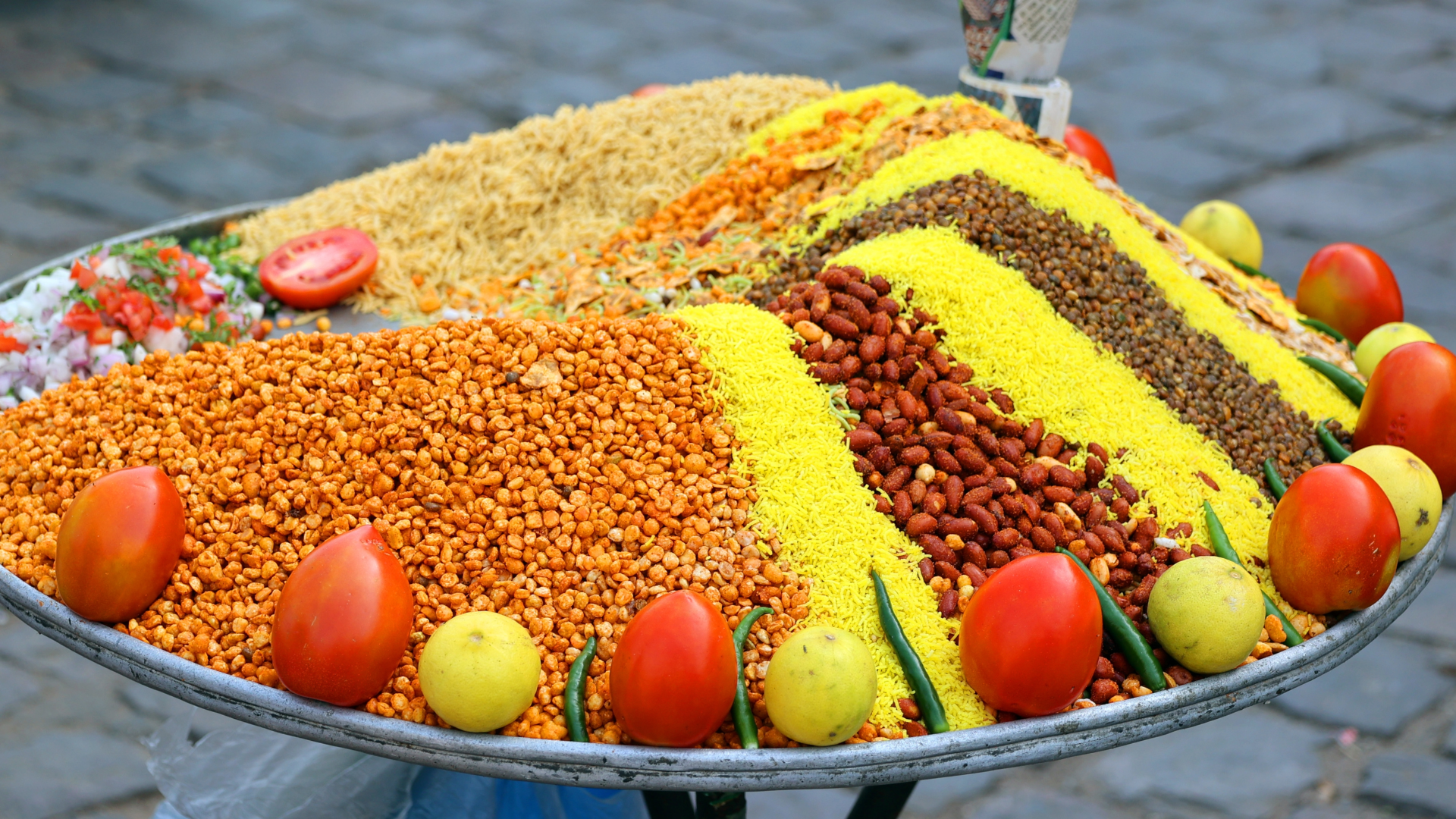
Cosmopolitan cities build their food canons in strange ways. Some parts are written – into cookbooks, formalised into recipes, or documented as part of history, appearing to be the very definition of the city’s food language. Some are built through lists, awards, rankings. These are the foods that travel. That are named, craved, reviewed, and fed as trends.
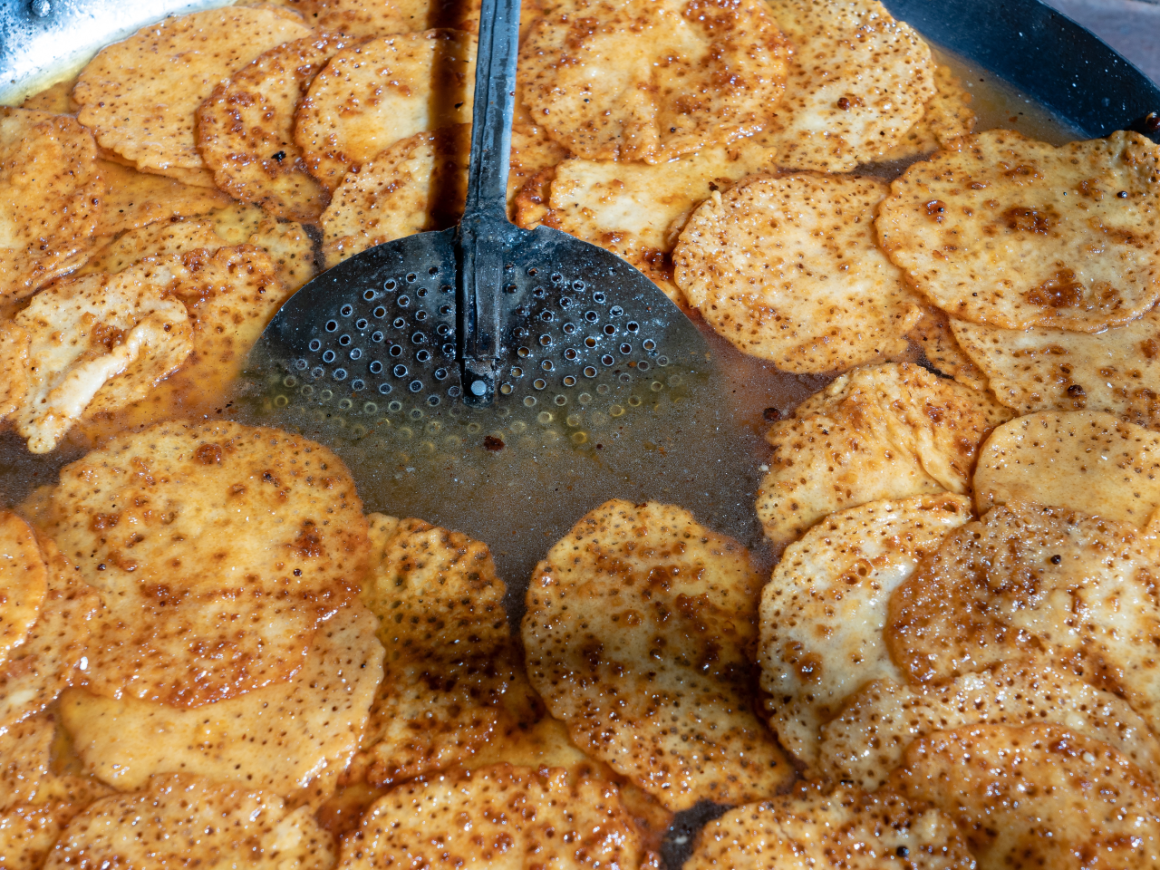
And then there is the other canon. The one that is never written down. It lives at junctions and amidst commercial cynosures, under temporary roofs, in wall indents, on carts that are wheeled away at the end of the day. It exists in colloquial mentions and appears mid-walks. In gustatory experiences that cannot quite be repeated outside the place they belong to. In Delhi, this unwritten canon is everywhere. And it is the hardest to hold onto.
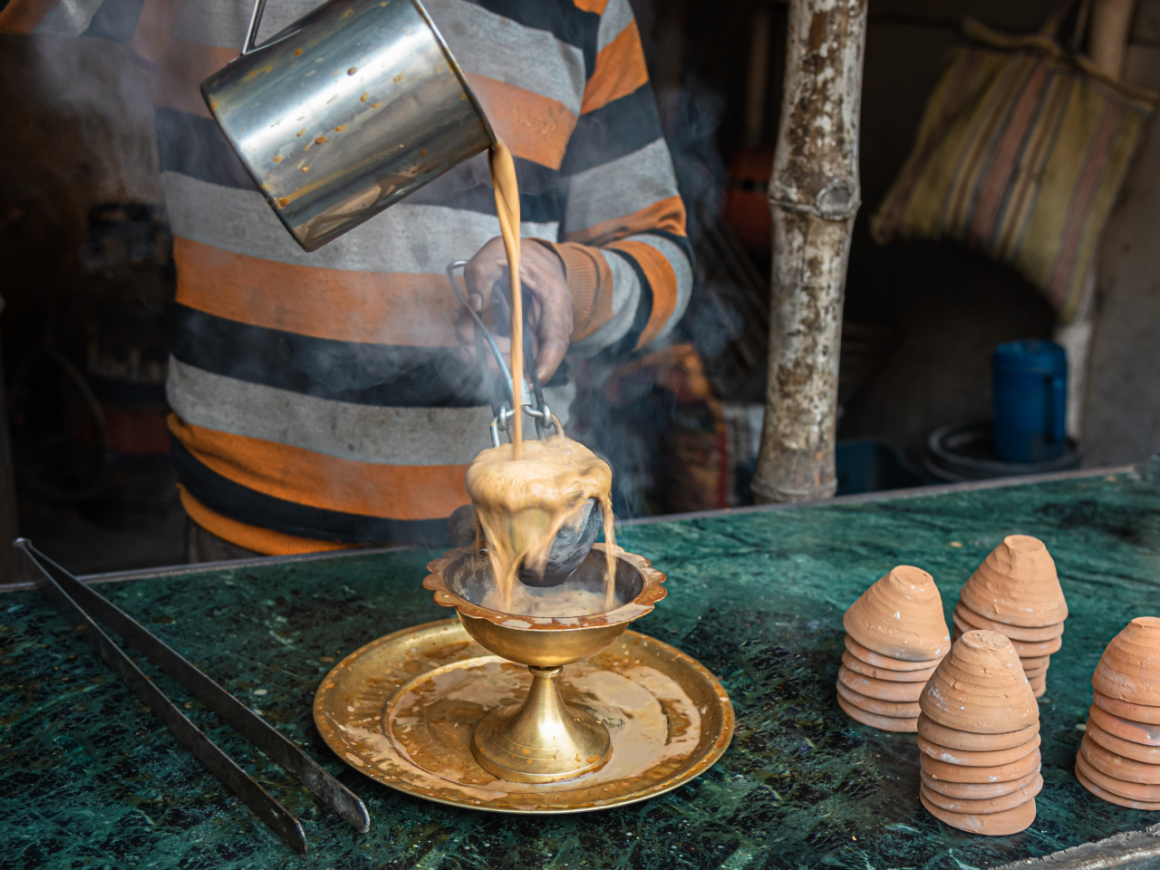
Chai, brewing and bubbling in the pot, ready for milk and sugar just as the office-goer, pressed for time, stops by. Quickly slurped with rusks and fain puffs, while tuning into the crack-of-dawn grapevine bulletin.
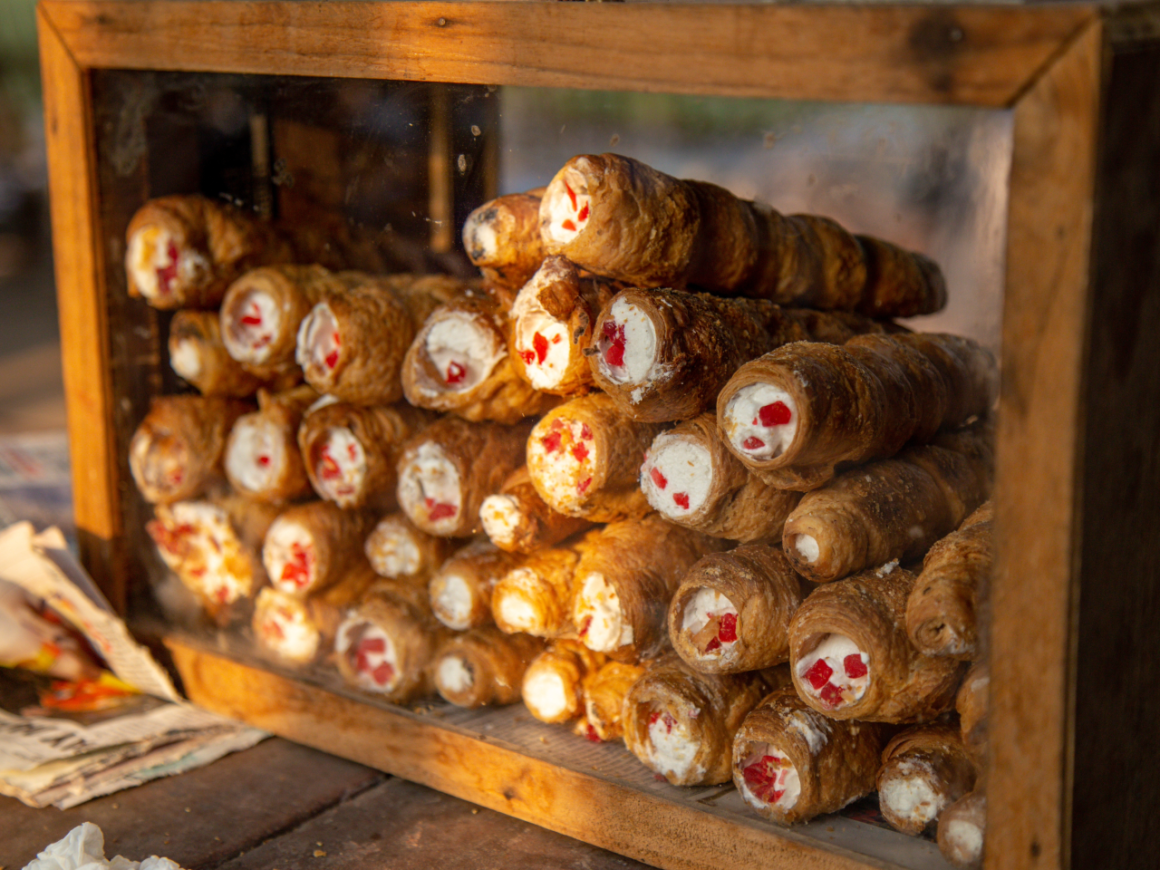
A bedmi puri with the kind of heft that feels heavenly, mostly between 8:00 and 9:00 in the morning. Or the pani-patasha you eat at the khomcha, where you ask for a plate and nudge your way into half a circle of people and wait your turn.
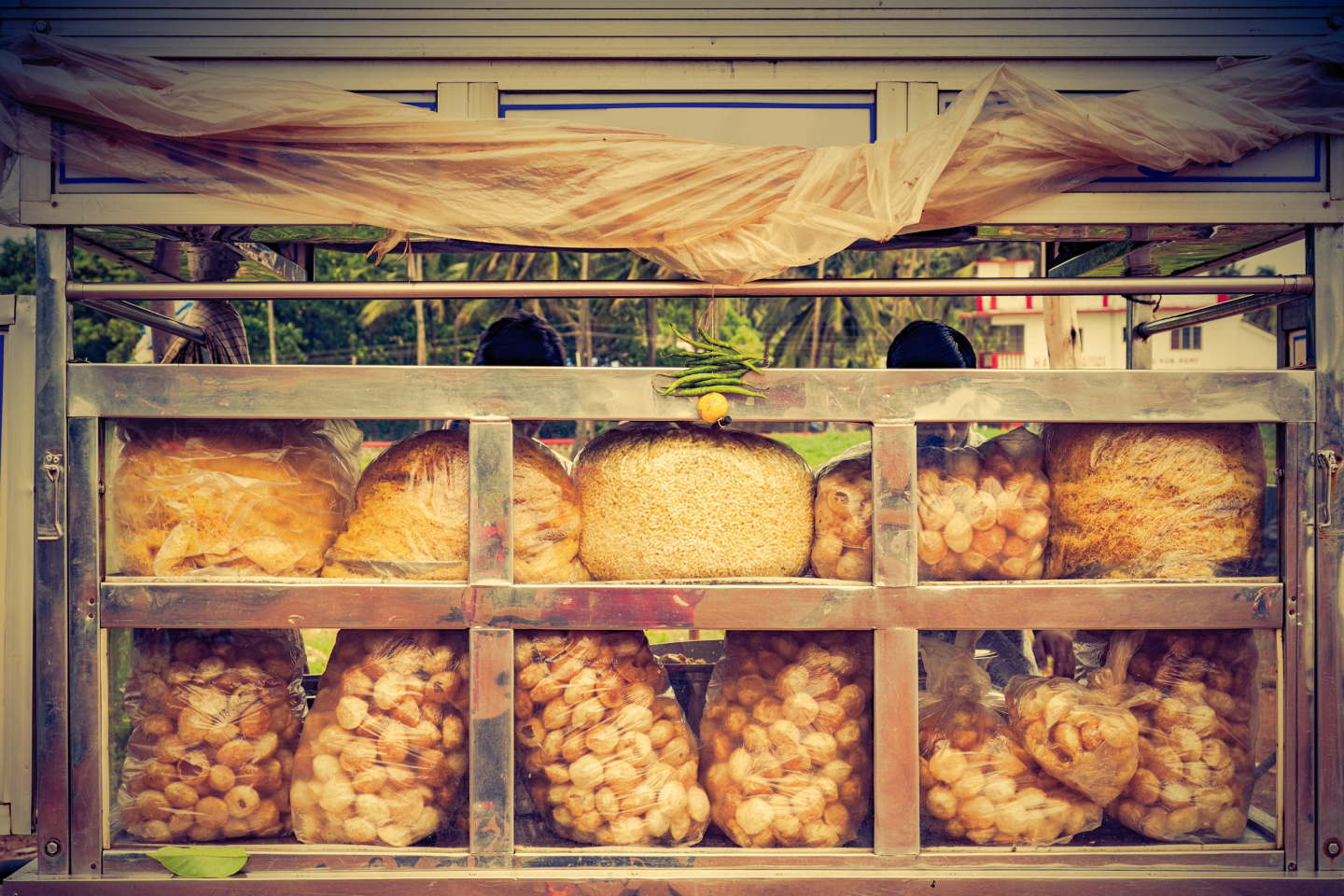
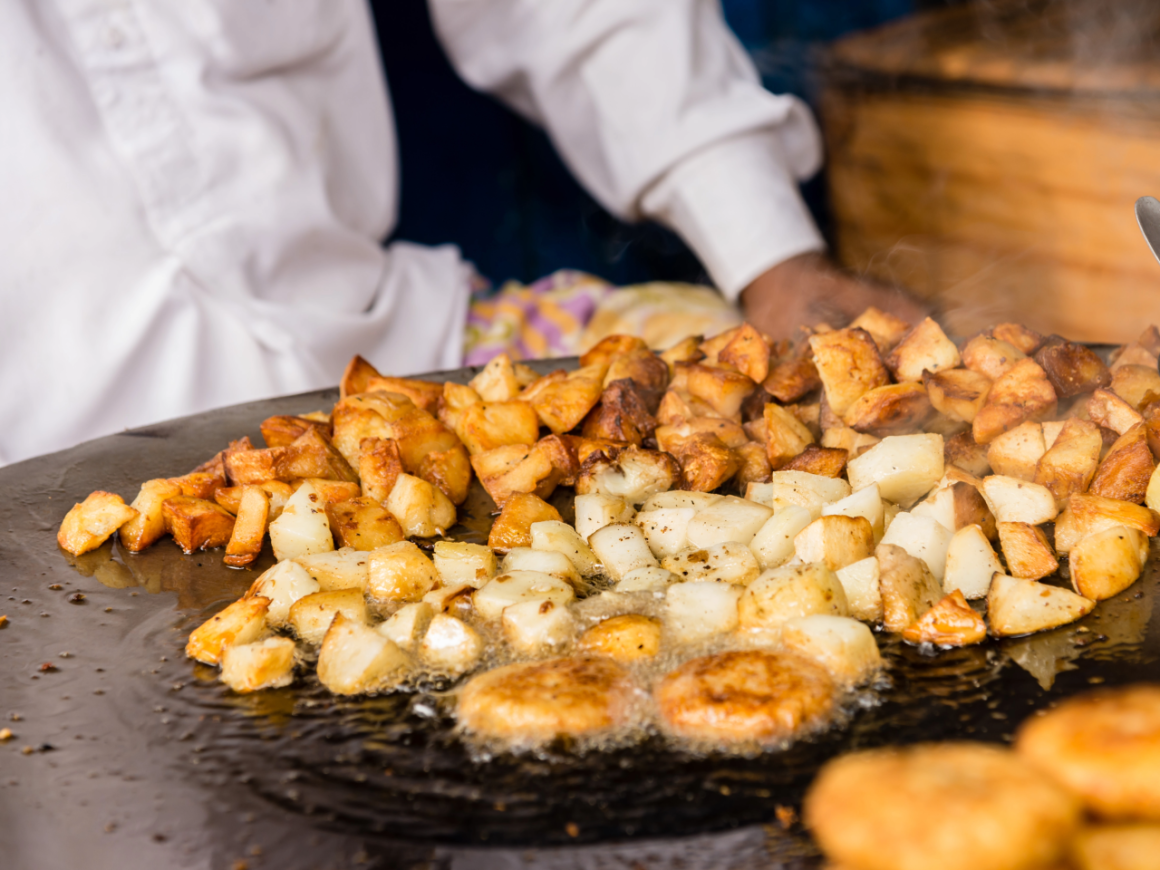
There are no fixed versions here, only continuities. Local food, in this sense, escapes documentation. Not because it lacks rigour, but because its rigour is embedded in practice. In repetition. In a kind of embodied knowledge that rarely translates into written form. Most vendors do not inherit recipes as documents. They inherit them as muscle memory and tendency – how much batter is scooped into the ladle, the exact moment the oil is ready, the instinct to compensate for weather, for crowd, for supply.
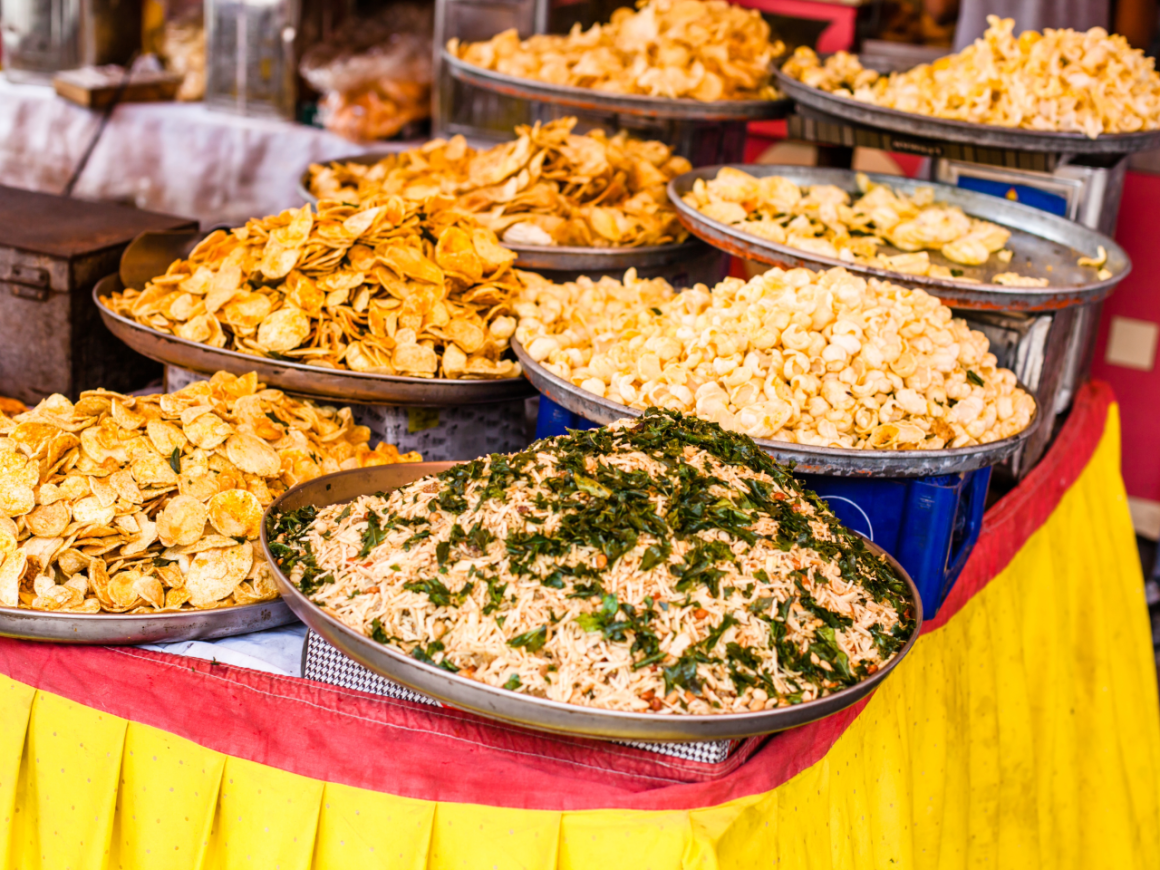
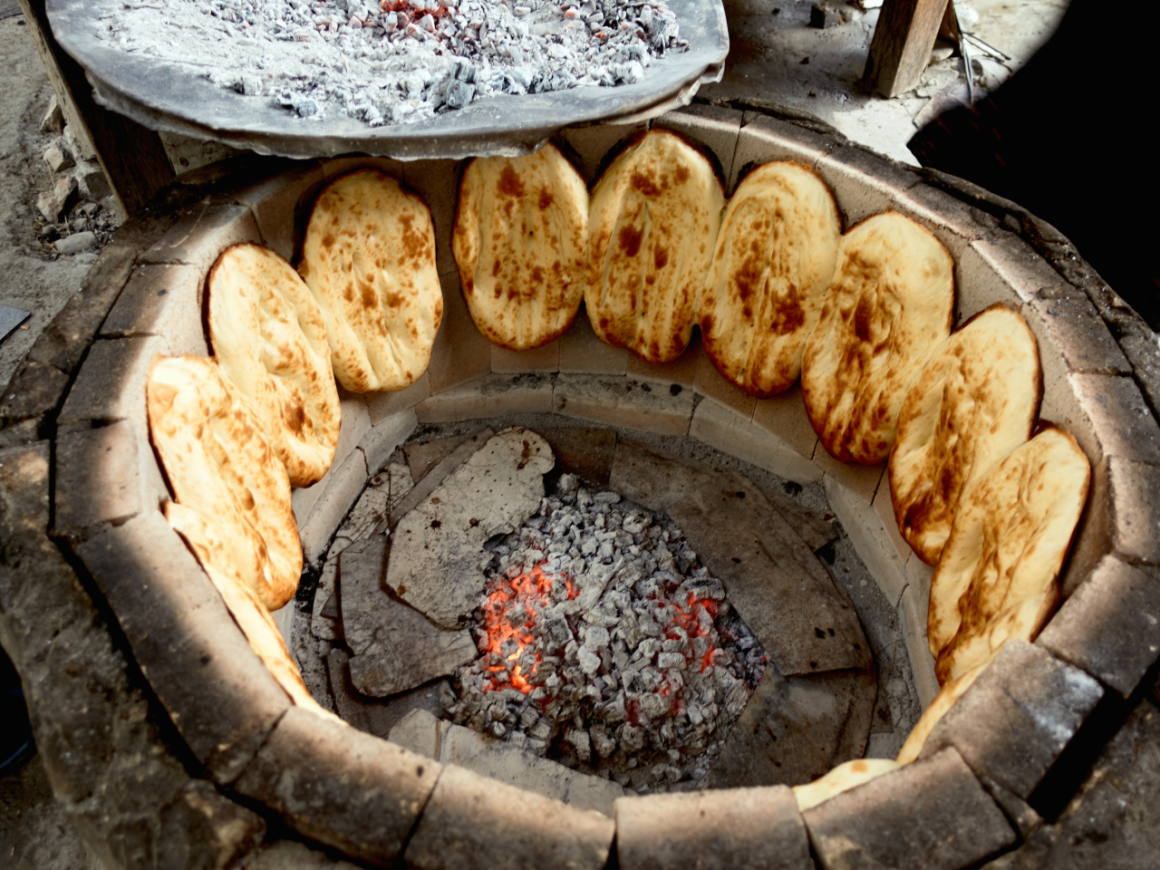
Part of what makes this canon so difficult to fix is the city itself. Delhi’s food is less a cuisine and more a constantly shifting continuum – pulling, absorbing, rearranging itself with time. It moves – through court kitchens into the lanes of Shahjahanabad; across borders during Partition, when displaced families carried entire ways of cooking with them – richer gravies, dairy-heavy preparations; and through older, transitory inheritances like the tandoor, arriving along Central Asian routes and settling into everyday use.
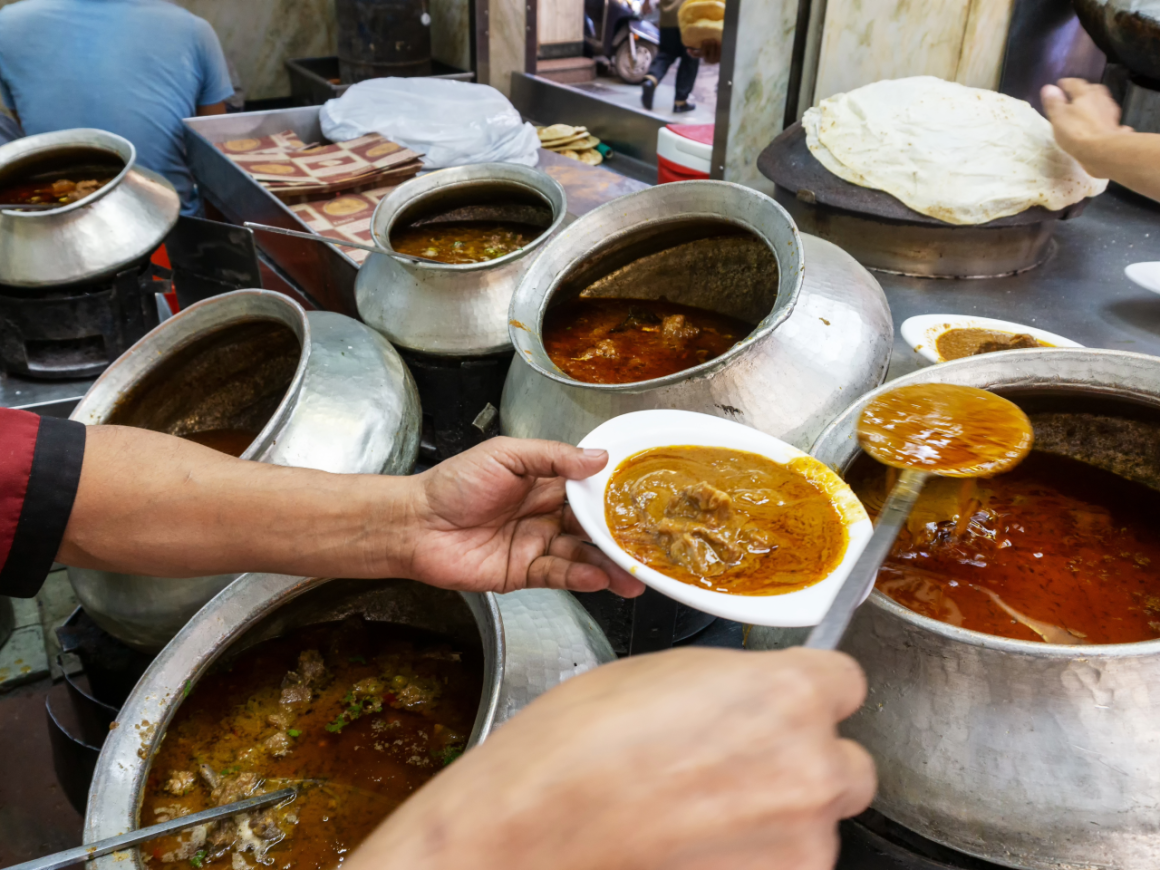
What we recognise as “Delhi food” is simply what has stayed long enough to feel familiar. Nihari, once tied to post-prayer mornings in Mughal and labouring communities, still appears at daybreak, its slow-cooked broth holding both courtly and working-class histories at once.
Chaat, never belonging to the city alone, shifts from one stretch to another – its balance of sour, sweet, and spice recalibrated subtly across vendors. What survives here is not the abstract notion of authenticity, but something more firmly tangible – the consistency of taste, held in place through repetition. This movement of food has never been one-directional. What once travelled from royal kitchens into the street continues to fold back, shift, and return in new forms even today.
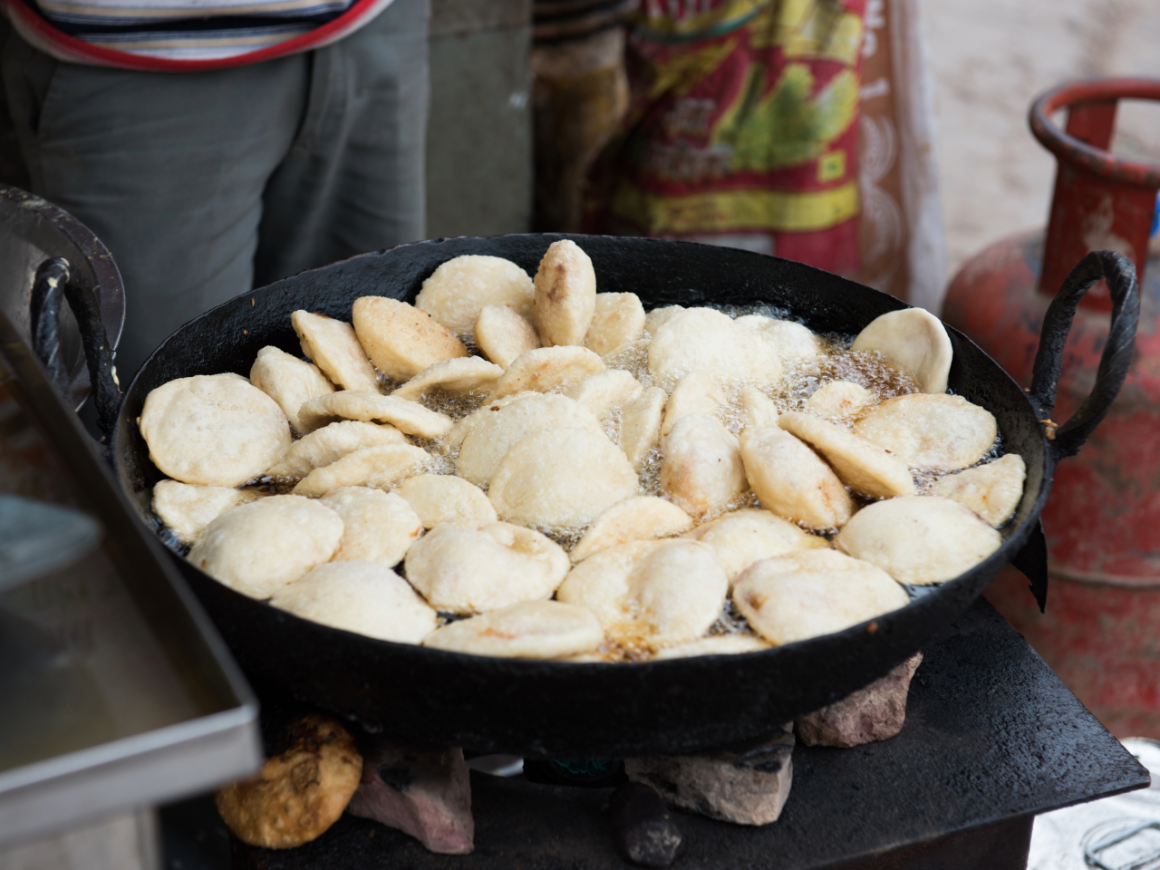
For that matter, even cuisines that might not necessarily be classified as street food in other parts of the world, Delhi has the capacity to absorb into its ever-evolving street food vortex. Sushi and avo toasts find their way onto roadside menus, alongside shawarmas and chaap. Coffee moves out of café settings to sit beside chai at the thela, and now pastas and pizzas appear in Saturday bazaars almost as quickly as they arrived in the city’s gourmet kitchens. At the same time, newer formats emerge around it – supper clubs, sub-regional pop-ups, home chefs building followings online, and experiences that centre the act of eating as much as the food itself. Nothing stays contained for long. There is, eventually, a version for everyone.
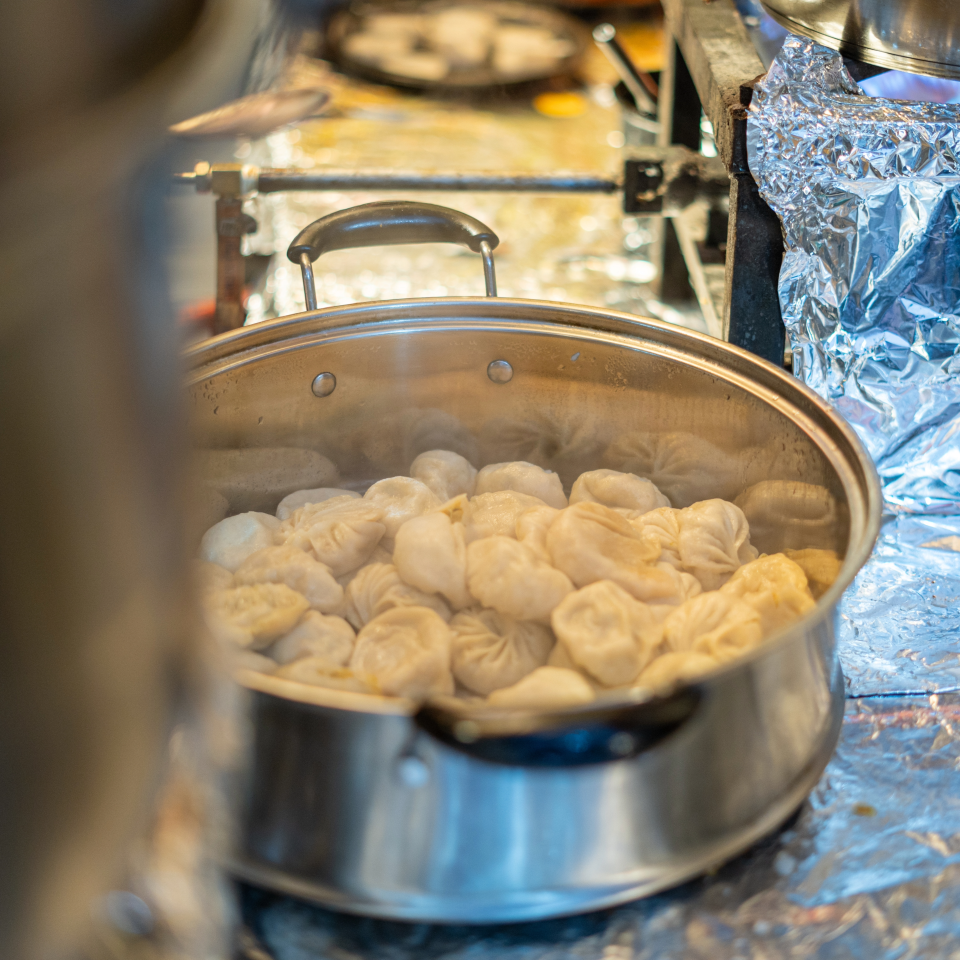
And yet, for something so visible, this canon remains largely unmarked. There are stalls in Delhi that have existed for over half a century without ever becoming “institutions” in the formal sense. Its measures of excellence are informal – in queues, in repeats, in food walks and now, videos. They remain what they have always been – a place you go to, a name you know because someone told someone, who told you.
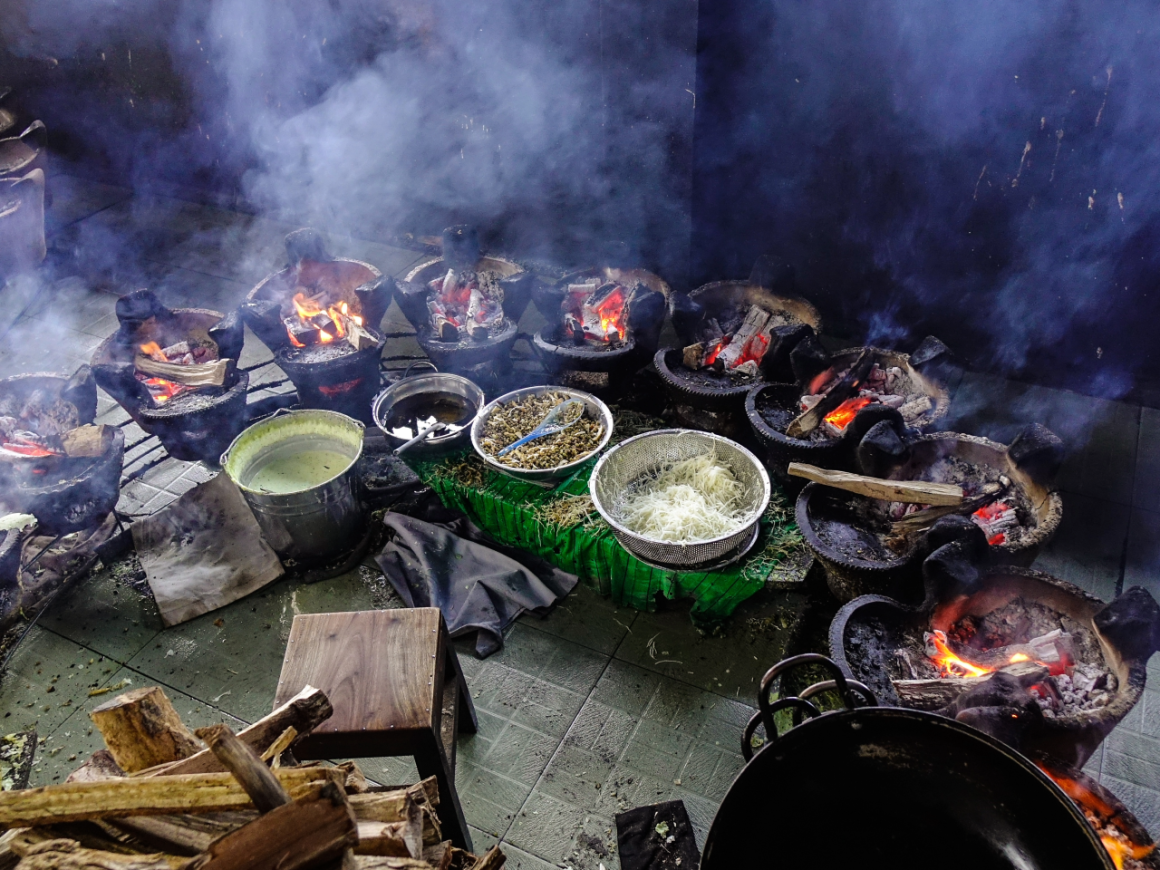
There are no fixed markers of recognition here. No standard vocabulary to describe what is being done, or how well it is being done. Skill exists, but it is rarely articulated, even more rarely awarded. Which is what makes the idea of “awards” seem slightly unusual.
Because what does it mean to formalise something that has survived precisely by remaining informal? To assign categories to practices that have never been ascribed to them? To identify excellence in a system where it is not recognised through titles, but only through loyalty? And yet, absence of recognition does not mean absence of value. It often means the opposite – that value has been so embedded in routine that it is simply assumed.
The Delhi Food Awards, organised by Delhi Food Walks and conceived by its founder, Anubhav Sapra, steps into this space. Not to change the canon, but to give it definition and recognition, and momentarily hold it in place even as it continues to shift.
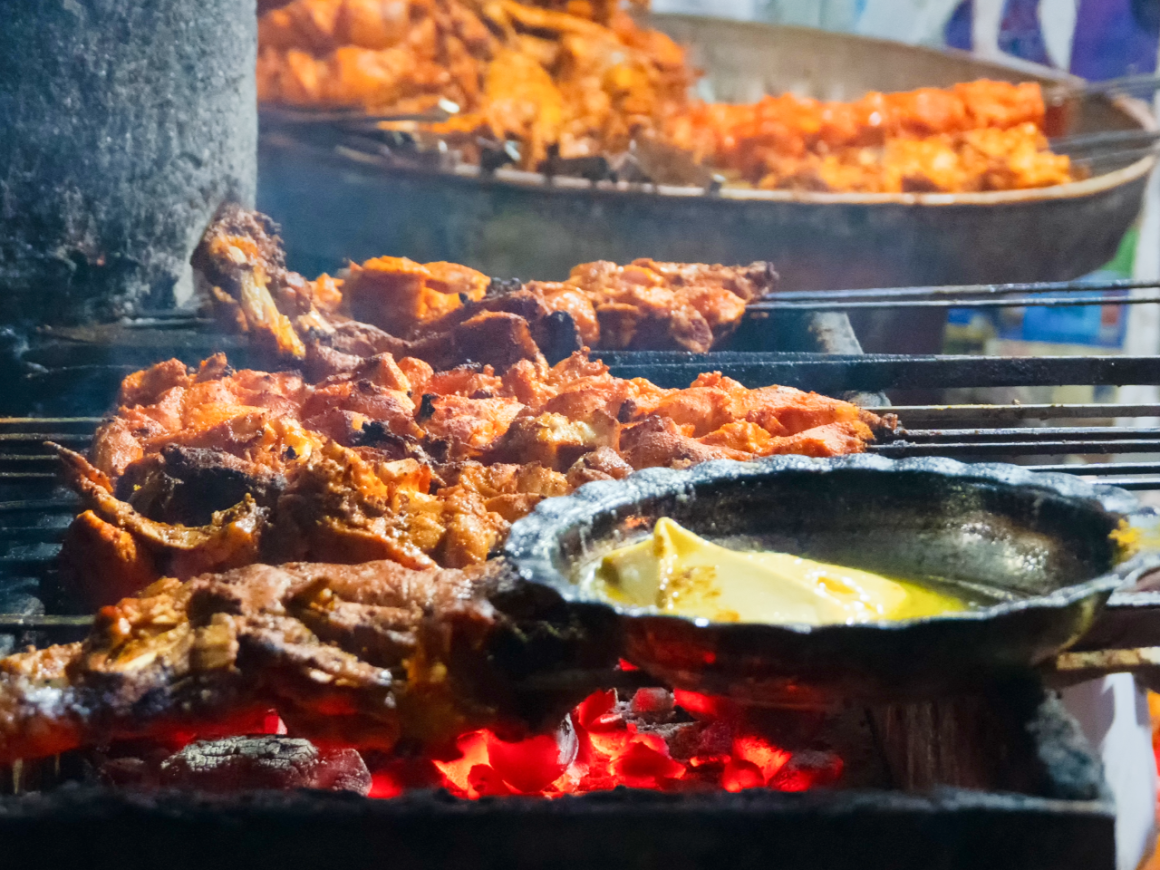
It also begins to give language to what has long existed without one. The recognition is precise – seekh kebabs and kachoris, nihari that still anchors early mornings, kulfis and jalebis that map familiar routes through the city. Alongside this, categories like the Hall of Fame and the Vinod Dua lifetime achievement award recognise continuity across decades, while others – women street food entrepreneurs, emerging creators, even the most viral dish – expand what the city’s food culture is allowed to include. The range is telling.
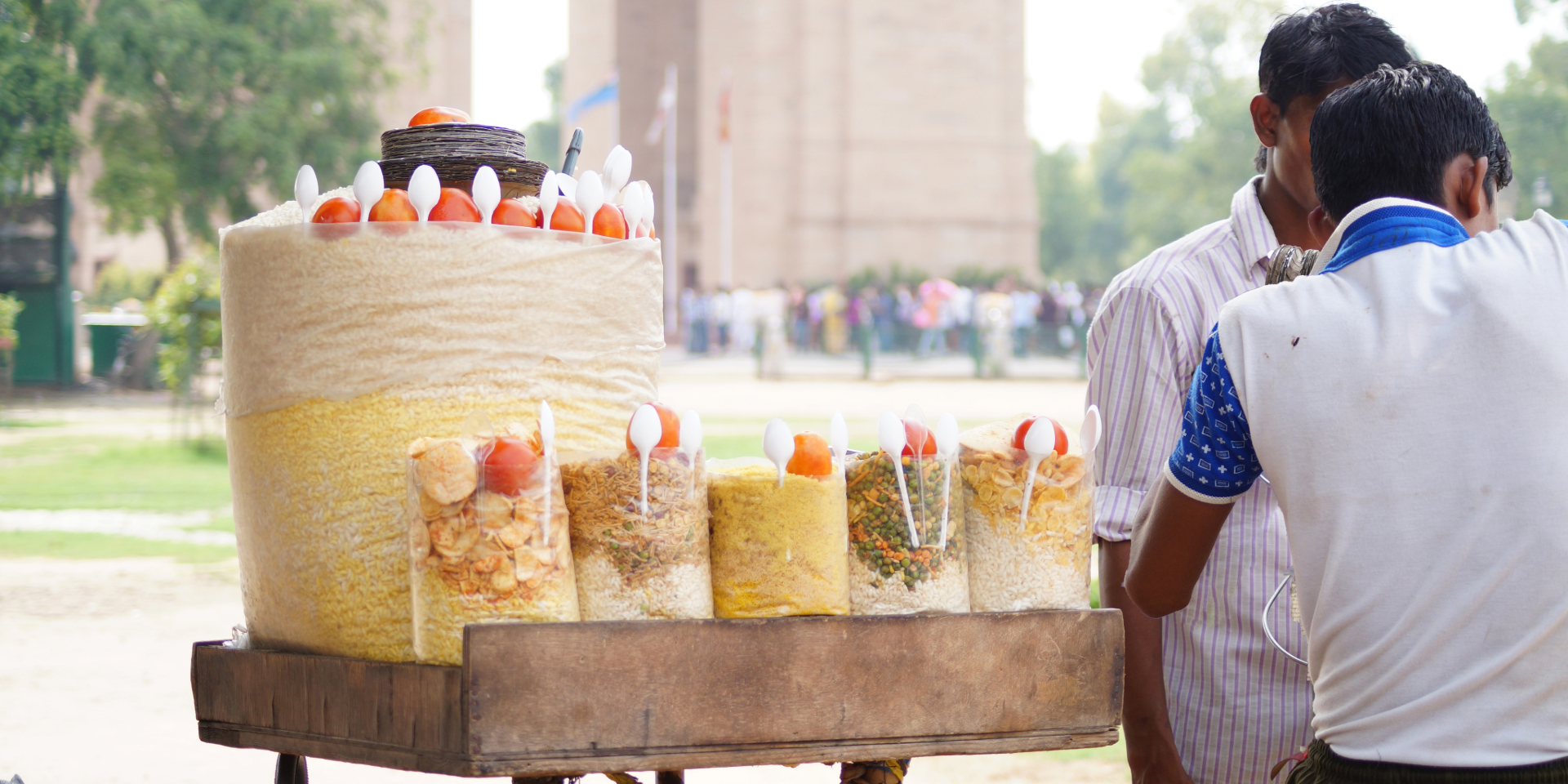
It does not isolate the “traditional” from the “contemporary,” or the street from the platform. Instead, it places them in conversation – long-standing vendors alongside newer forms of visibility, inherited practices alongside those that have adapted to the present moment, each shaping what the city remembers.
Delhi Food Awards 2026 – Event & Panel Details
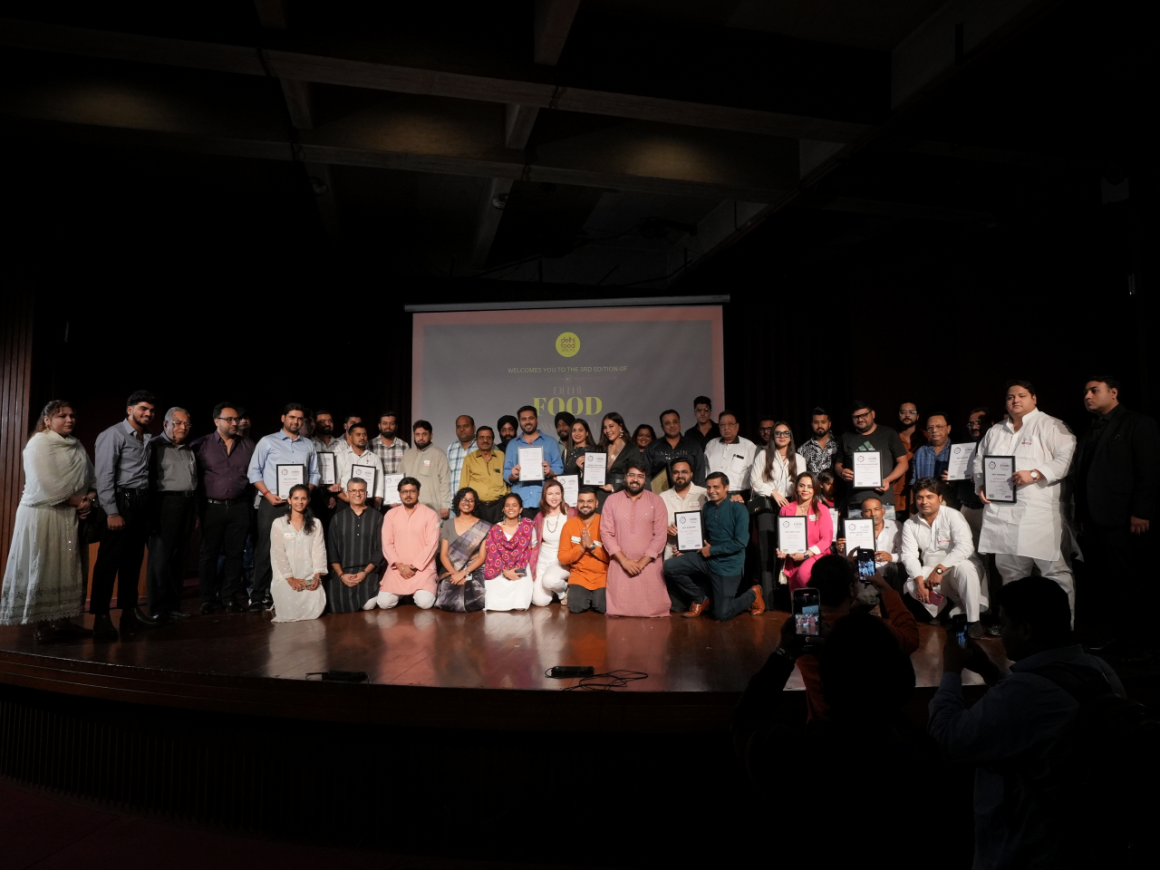
This year will be the fourth edition of the awards, held on March 28 at Le Méridien, New Delhi – bringing together vendors alongside a wider food ecosystem of historians, chefs, writers, and creators. The day extends into a series of curated panels with experts – on Delhi’s evolving foodscape, on food tourism, and on how digital storytelling is beginning to influence what gets noticed.
The first panel, on food and tourism, is moderated by veteran journalist Sourish Bhattacharyya, in discussion with Chef Davinder Kumar, Vice President at Le Méridien New Delhi and President of the Indian Culinary Forum, Karan Marwah, founder of FOODelhi, and Kartikeya Shankar, Associate Editor at Outlook Traveller.
The second panel turns to Delhi’s evolving foodscape, moderated by historian Dr. Neha Vermani, featuring Chef Manish Mehrotra, founder of NISABA, G Sri Ramya, Co-Founder of Bruite Magazine, and food historian and author Charmaine O’Brien.
The third panel focuses on responsible content creation, with ThePrint’s Triya Gulati moderating a conversation with Gitanshu Jetly, marketing leader in hospitality, Priyanka Kapoor, founder of Dillifoodies, and digital creator Karan Malik, examining how food is documented, circulated, and interpreted in a visibility-driven ecosystem.
The event also features a dastangoi performance by Nadeem Suhrawardy, returning the city’s food to its oral and narrative traditions.
Learn more about the awards at delhifoodawards.com
“The views, historical interpretations, and opinions expressed in this article are solely those of the author and do not necessarily reflect the official position or stance of Bruite Magazine.”
Translations and detailed descriptions are provided to give a better understanding of the story to people from different cultural backgrounds across the globe.