
I’ve lived in Delhi for twenty-five years. For most of that time, the city stayed in the background. It’s familiar enough to move through without looking too closely. That changed after Ladoo came into my life. He’s my golden retriever, and because of him I’ve been going to Hauz Khas District Park every day, twice a day, for the last two years. Morning and evening. No shortcuts.
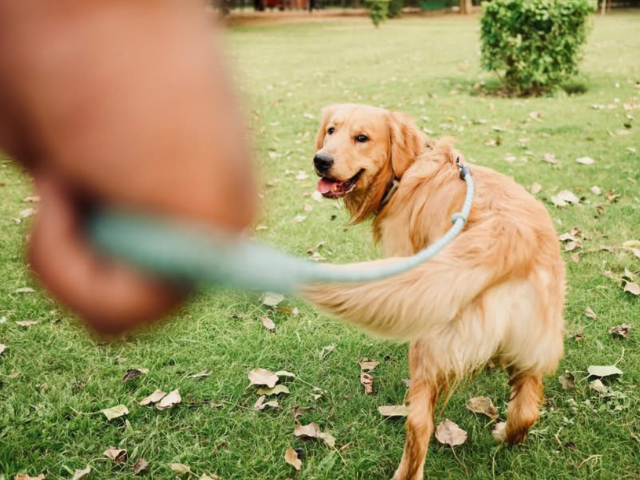
Walking the same paths again and again does something to you. You start noticing flora and fauna before you notice people. You register the weather without checking your phone. You see how one tree changes before the others, how the light shifts across the same patch of ground depending on the season. It’s a simple kind of attention. You’re there, fully, because the walk needs to happen. There isn’t much room for anything else.
That’s how I began to learn Delhi’s green spaces, by paying attention to who moved through them without stopping to think about it. Women adjusted their dupattas as they walked. Children ran ahead, came back, ran again, sometimes with something clenched in a fist.
Many of them were only here briefly, passing through for work, waiting out a season. They knew what could be picked and what should be left alone. I didn’t interrupt. I watched where they paused, where they bent down, where they didn’t bother looking.
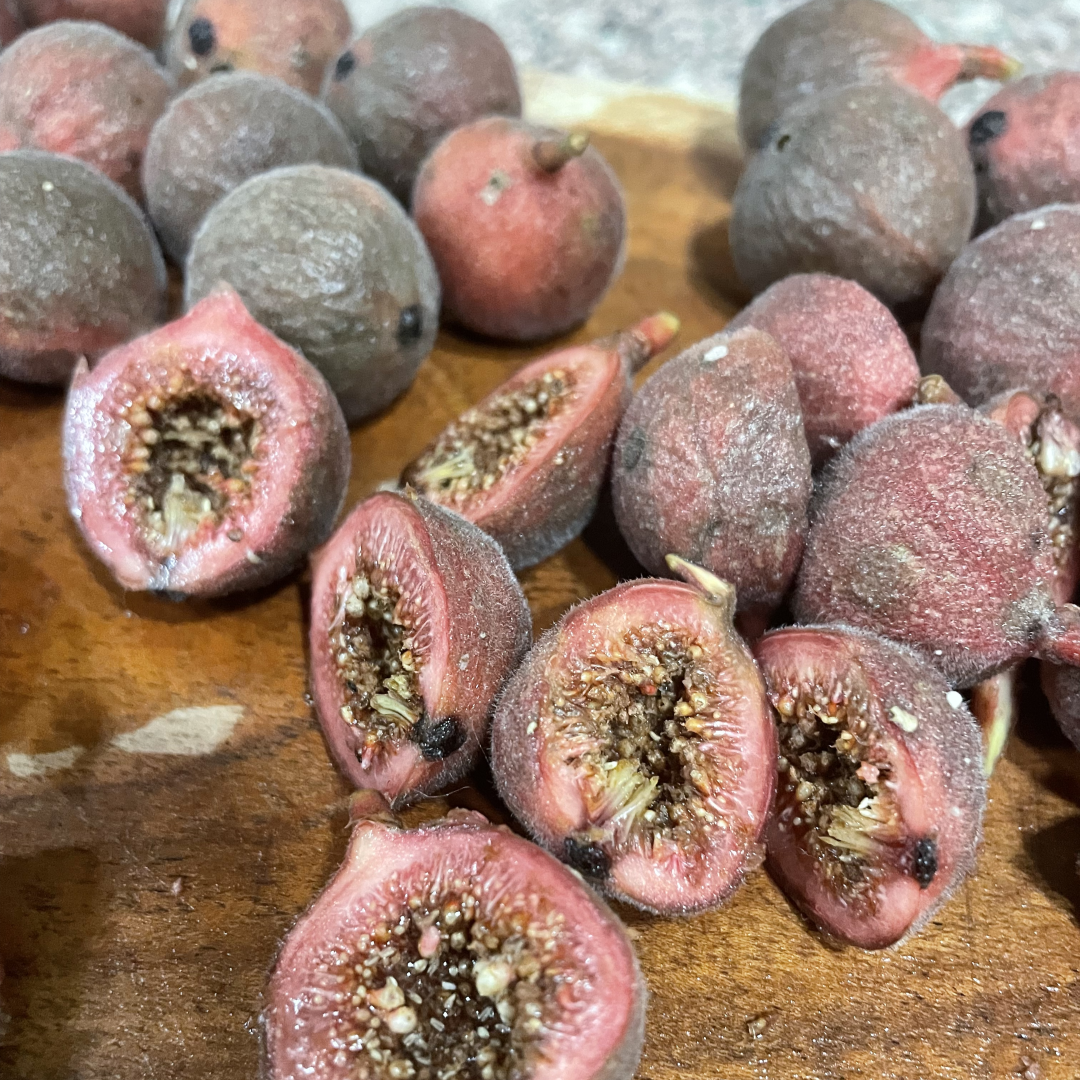
That’s how Gular came to mind. I’ve eaten figs before—the wrapped kind, stacked neatly, sweet enough but distant. Gular felt closer. It grew wherever it pleased and ripened out in the open. The skin shifts from green to a muddy crimson. Inside, it’s bright pink. In India, we call it Rani pink. In my vast collection of cookbooks (yes, I might have a problem), it barely appeared. And when it did, it showed up green and restrained. Mostly chutneys. Something cooked down until it behaved. I didn’t find that appetising at all.
I picked about 250 grams and brought them home. I washed them well and slowed myself down. With foraged food, you either take your time or you shouldn’t be doing it. I rubbed a little on my skin and waited. Then I tasted a small piece. Nothing happened. That was enough. My body didn’t refuse this foraged bounty.
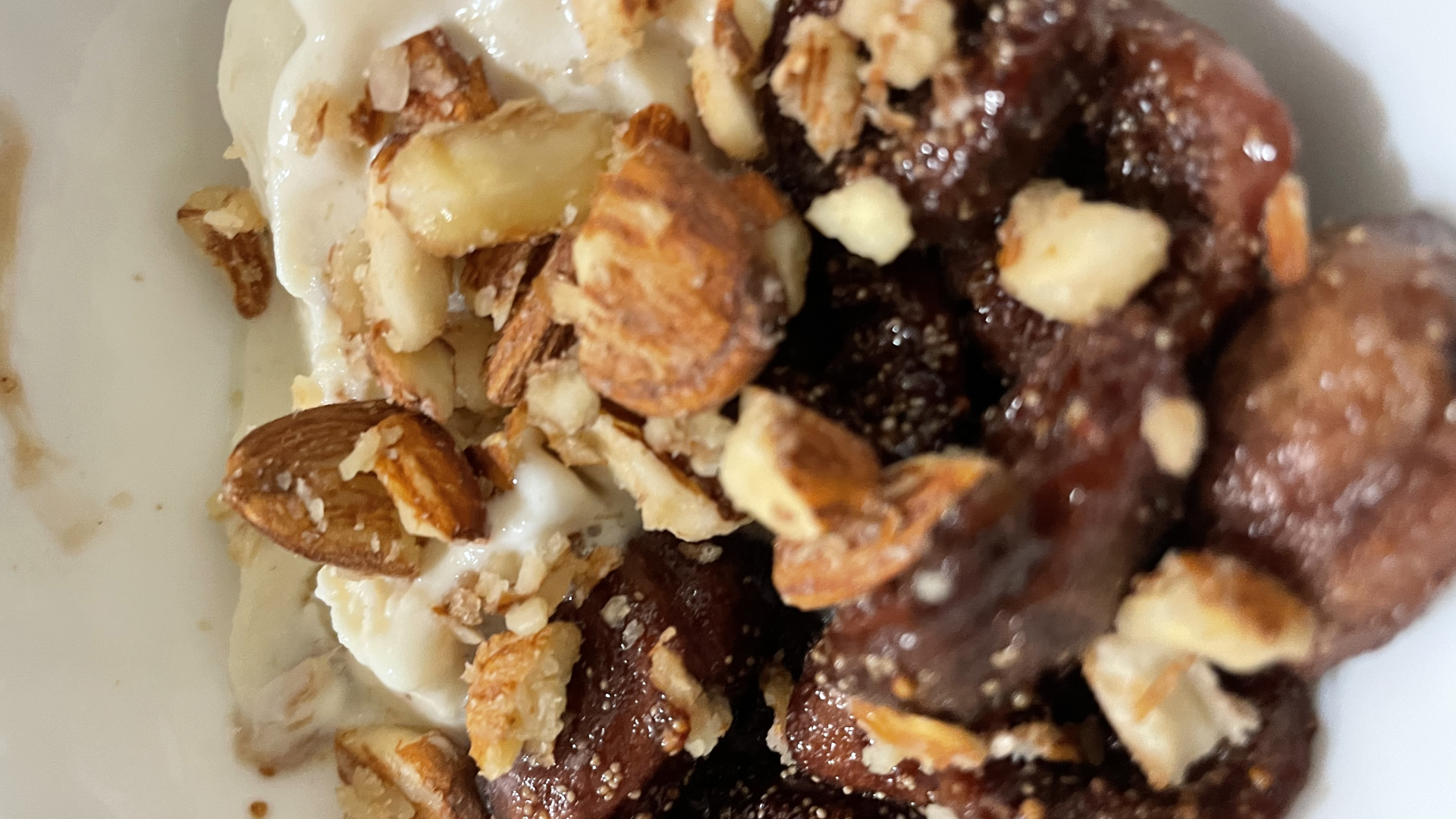
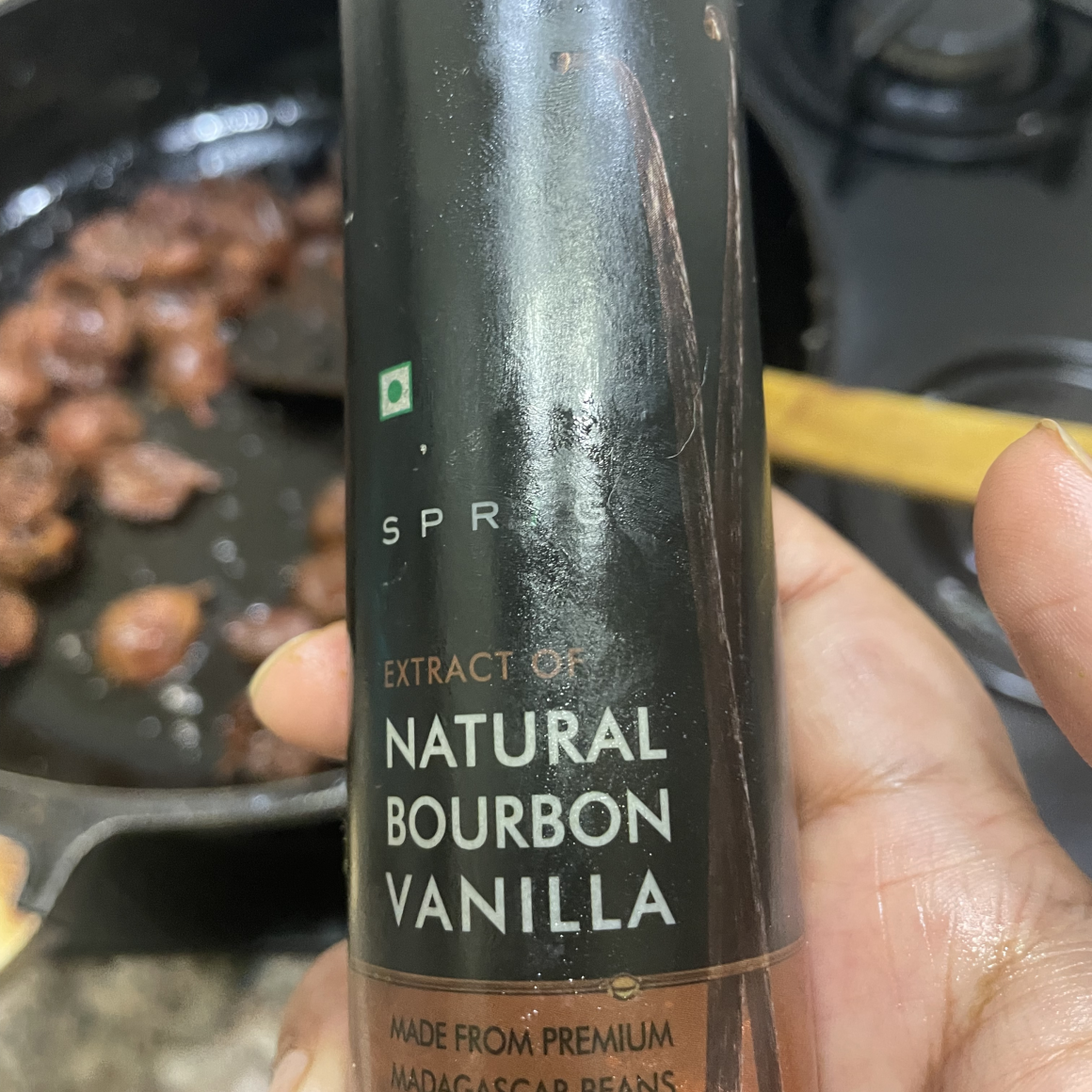
I sliced them and put butter into the pan. The Gular went in next. A little vanilla, not much. They softened fast and started to melt into themselves. The smell filled the kitchen and the rest of the day stopped asking for attention. While they cooked, I ordered ice cream and crushed some nuts by hand. I chose malai ice cream because the combination felt right to me.
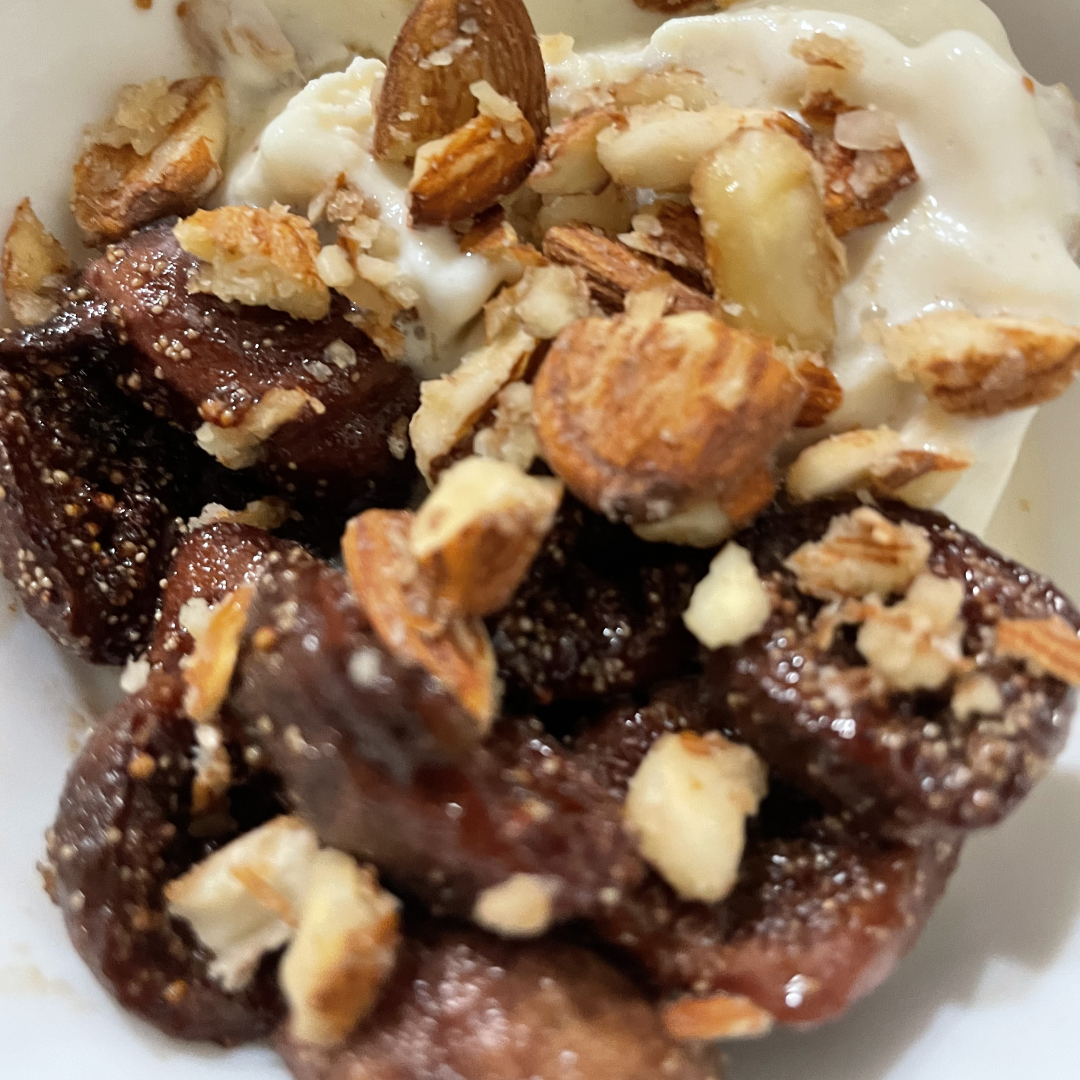
We didn’t wait for dinner. The warm Gular went straight onto the cold ice cream, nuts scattered on top. It was gone quickly. Dessert came first and no one objected. If you stay in Delhi long enough and pay attention, you learn a lot from the green spaces—what this city has to offer. Like these little seasonal gems hidden in plain sight, it’s not written down. But now I have, and maybe you can look out for some Gular on your next walk or picnic. You can make up your own recipe like I did.

Aali Kumar is a food historian and the founder of Zaikanama. She has taught history at Delhi University for over a decade. Her work uses food as a historical method. She works with reconstruction in her practice. Taste and sensory experience are treated as historical evidence, not nostalgia. She works through writing and small, closed gatherings.
Zaikanama is a research-led practice. It treats food as historical evidence. The work centres on reconstruction as a method. It uses taste and material culture. The aim is to study the past beyond text and archives. Archival Dining™ is one vertical within this work. It is a small, inquiry-led format, as opposed to a lifestyle or experiential event.
Translations and detailed descriptions are provided to give a better understanding of the story to people from different cultural backgrounds across the globe.