
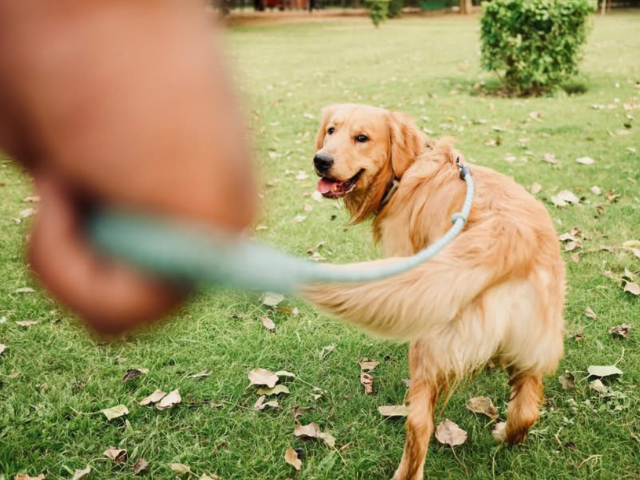
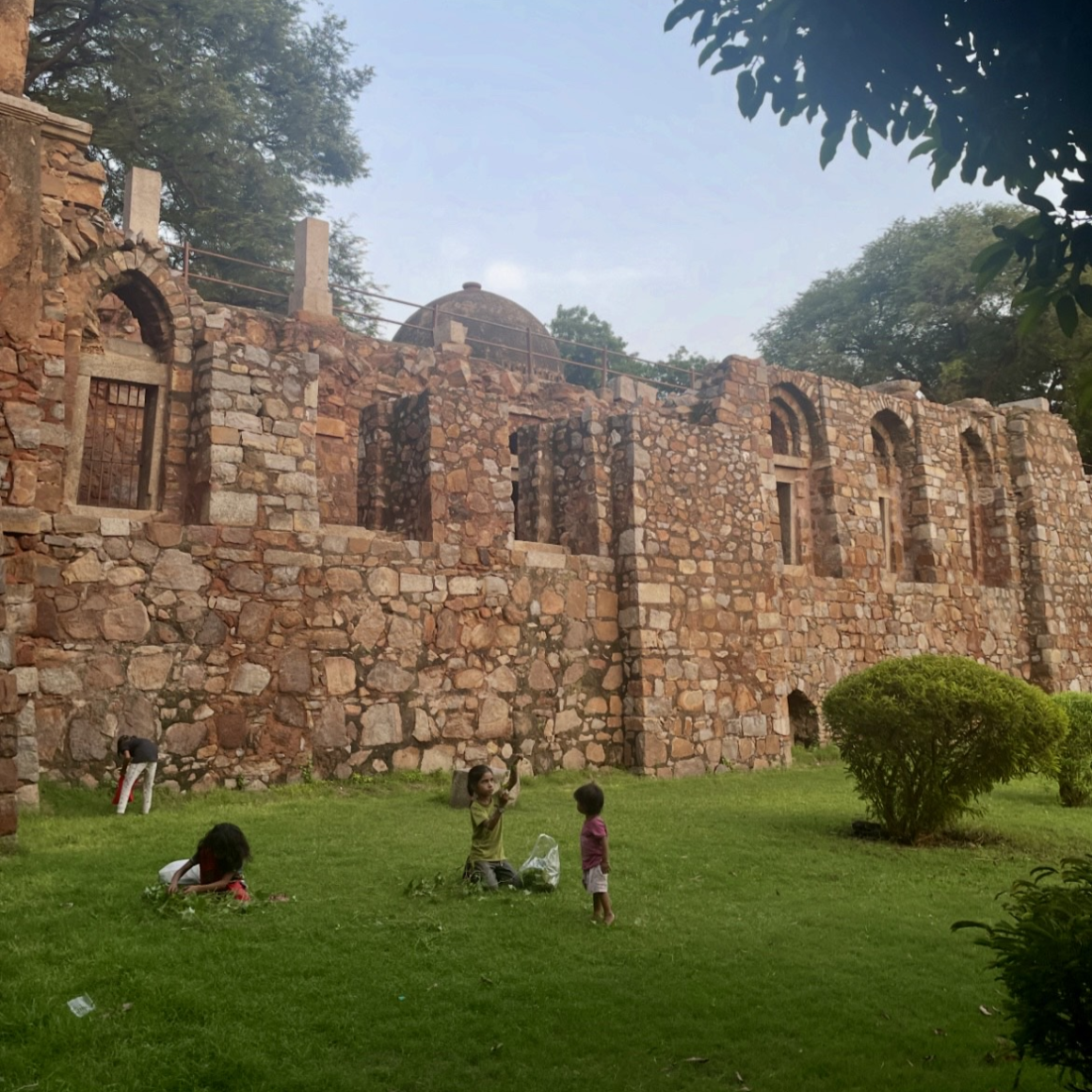
Sometimes the route you take regularly, day after day, reveals newness in ways you don’t expect. I was walking my dog, Ladoo, in a Hauz Khas district park . It is one of our favourite places to explore since he came into our lives. Monsoon was just on its way out when I noticed a woman and two young girls picking leaves from a creeper that had made its way around a corner of a medieval ruin that had stood there for centuries.
They were working together with deep focus on the leaves of that creeper. The woman snapped off the tender parts while her daughters, two young girls, sorted through the stems beside her. They were passing some back while discarding others. They moved with ease, because this was familiar work. I slowed down without meaning to. She noticed me watching and stiffened. In this city, green spaces are watched, and you learn early to be careful about what you do in them.
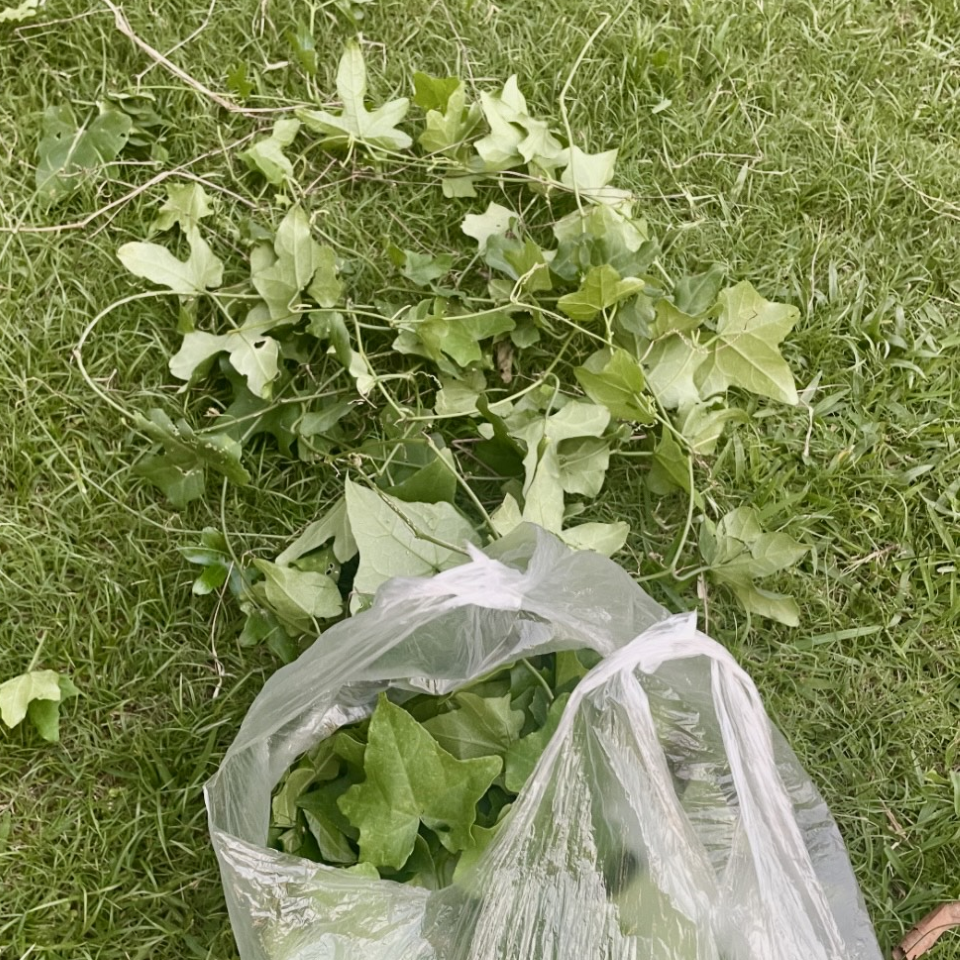
I said nothing at first. Then I asked what they were picking. She hesitated, but the girls did not. One of them answered before her mother did, holding up a leaf to show me what to look for. The woman followed, explaining how it would be cooked that evening. What to throw away. Which oil to use. Which spice had to go in first. The girls hovered close, correcting her at times, pointing out which leaves were too old and which ones were right. They were comfortable now. They let me take photographs. They showed me how to recognise the plant properly.
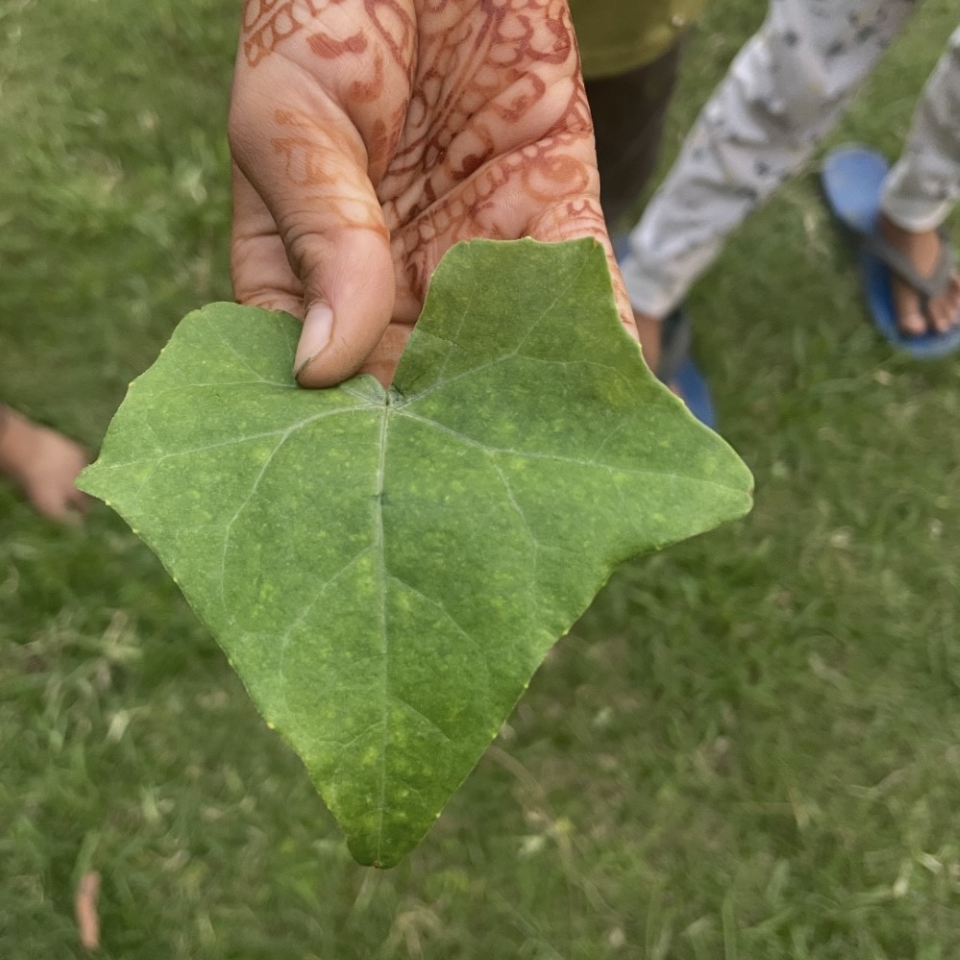
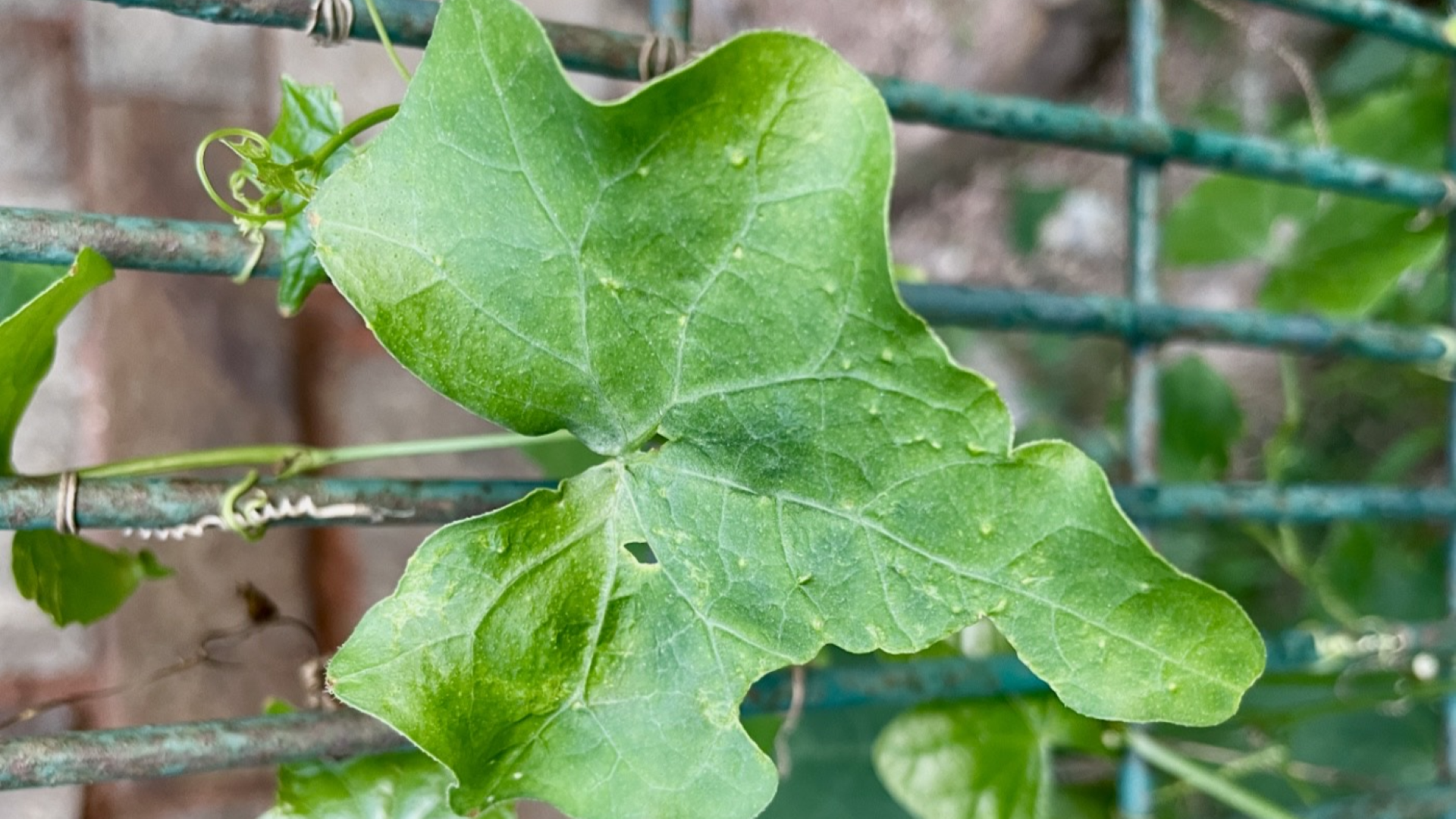
They were picking the soft, young leaves of ivy gourd, the ones that come right after the monsoons. She called the leaf tilkor and the fritter tarua, a dish from her part of north Bihar. The girls liked it with plain dal and rice and were quick to tell me so. Tilkor ka tarua was the special dish everyone was looking forward to that evening. At other times of the year, woman said, she had seen bathua here, and chaurai, and a soft vine she called poi, and once even chakwad, the bitter leaves that have to be boiled before they are cooked. This was not written knowledge. It was oral plant knowledge, folk botany carried from Mithila and applied to a park in south Delhi.
I had heard of Tilkor ka Tarua before, usually mentioned in passing by friends from the Mithila region in Bihar, but I did not know what the leaves looked like. At home, ivy gourd, kundru as we call it, was always cooked as a side vegetable. Bought from the market. Cooked whole. No one spoke of the leaf. It had never occurred to me that the plant offered more than what was sold to us. Scenes like this are becoming rare in cities like Delhi. Urban foraging here is not a preference but exists mostly sporadically. Sometimes it is also part of group led activities that map out new ways to explore the city. It survives in pockets and with people who can read the land and know what has not disappeared yet.
The woman was not picking leaves because it felt interesting. She knew what was edible. She was planning dinner. She knew what would work that evening. Her knowledge lived in timing and repetition. It was learned through use. It was not written down. It did not circulate online. Knowledge like this survives among people who value it. In Delhi, many people walk past edible plants every day without seeing them. Parks, road dividers, institutional campuses sometimes empty plots. Green spaces are treated as visual relief. They are not read for what they hold.
Over time, that way of seeing becomes normal. This follows money and planning. Food is outsourced and our diets narrow. Once you stop needing to know what grows around you, the skill disappears. Attention to the land goes first and the neglect follows. Delhi has its own quiet food map too, if you know how to read it. The city sits between two older landscapes. One with the dry scrub of the Ridge and another of the floodplain of the Yamuna . They both still push up edible plants in places that look forgotten.
People who grew up here remember bichhu booti, kulfa, jangli palak, chakwad, khatti booti, leaves that once went into dal or saag when markets were far away or money was short. Most of this knowledge now lives only in memory and habit, carried by those who learned to see the ground as more than just something to walk across. I have seen this across generations in my own family. My grandparents ate according to the season and place. My father inherited those tastes. I did not. I grew up moving between Bengal, Bihar, Uttar Pradesh, and later Delhi. Each move trimmed something away. Fewer ingredients a set flavour template.
Delhi sped this up. The same meals, rotated endlessly. The same old urban weekly menu of Paneer. Chicken. Dal. Rice. Roti. As tastes narrow, memory goes with them. Taste carries instruction, but it is also tied to time. Which greens arrive after the first rain. Which ones come later. Which must be eaten young, before heat hardens them. Which turn bitter if you wait too long. Seasonality is not a concept here. It is timing learned through repetition. When that rhythm breaks, the knowledge breaks with it.
Most urban kitchens no longer carry this knowledge. The woman in the park did. Still, knowledge like hers is rarely spoken about with pride. Certain foods stay out of guest meals, not because they taste bad, but because they are not represented in anywhere people recognise as aspirational. Hospitality signals class. What you serve is read closely.
If a food does not appear in restaurants, cookbooks, menus, or popular conversation, it begins to feel unsafe to offer. Over time, people stop claiming it at all. What disappears first is not the food itself, but the confidence to serve it. There is also history here that cannot be ignored. The region these women come from, north Bihar, once sat inside the Bengal Presidency.A geography marked by repeated food scarcity and famine. Bengal, Bihar, Odisha, and what is now Bangladesh share a long history of hunger shaping diet.
Leaves, stalks, wild greens, and foraged plants entered kitchens not only because they tasted good or carried cultural meaning, but because people needed to eat. Over time, compulsion turned into habit, and habit into cuisine. The origins grew quieter, folded into everyday cooking. That history does not need to be performed every time a leaf is fried, but it should not be erased either. Another concerning pattern is growing visibly in places that are looking for the next new trend in food. Communities often depend on something because they have to. When it is identified as ‘super food’ or ‘powerhouse of antioxidants’ It becomes easy to package and sell it.
The quiet everyday practice is now reframed. It becomes desirable. One saleable with health benefits printed on carefully designed packets, the prices move up. Access tightens. Those who depended on it move out of view. This has happened before. To grains, fish, greens all over the world. There is no reason to think foraging will be spared. When foraging is treated as aesthetic, the people who rely on it are usually the first to be edged out.
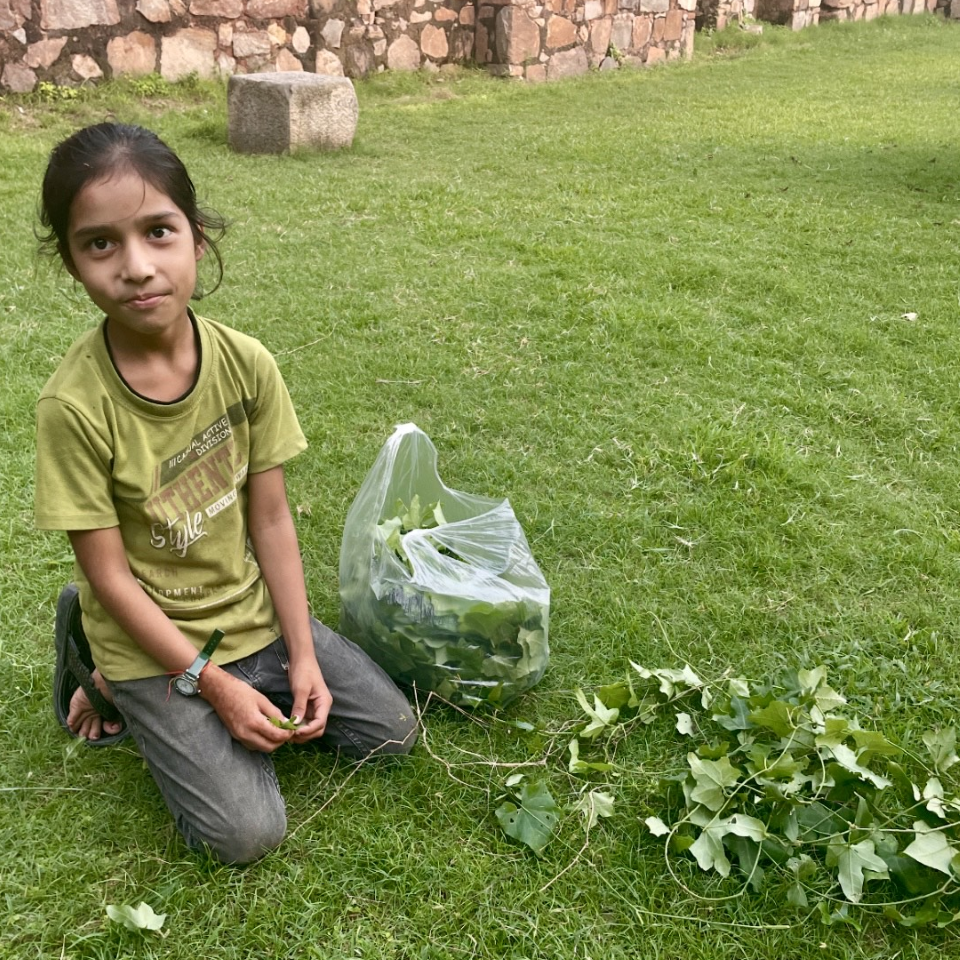
The woman in the park was continuing something she already knew how to do. The girls were not being taught in that moment. They already knew what they were doing. Women and children in most communities are the carriers of Traditional ecological knowledge of the lands they live in. There is value in knowing what grows around us. It adds variety to diets. It supplements what markets cannot offer. In cities like Delhi, where climate and soil still support a range of edible plants, that knowledge matters. You cannot buy this in a shop. You either recognise it or you do not.
If cities continue to forget what grows around them, it is easy to imagine a future where these girls are not accompanied by their own children, pointing out leaves, explaining which ones to pick and which ones to leave. Not because the plants will vanish overnight, but because the confidence to recognise them will.
A large part of what we eat today is shaped by our colonial past. Foraging is not always a celebration. Sometimes it is food memory carrying forward without naming itself as memory. If these girls grow up to teach their own children in years to come what they were picking that day, the knowledge will have survived another generation. Not as nostalgia or as trend.
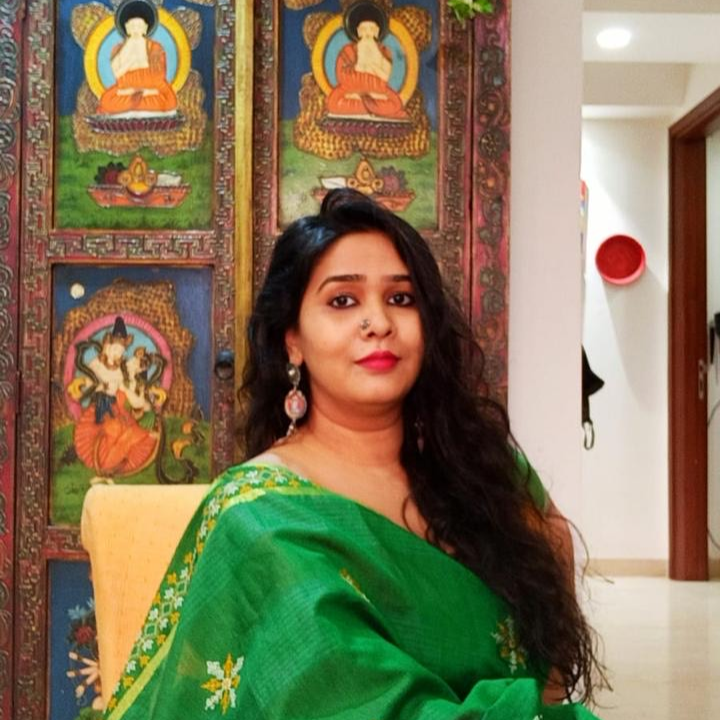
Aali Kumar is a food historian and the founder of Zaikanama. She has taught history at Delhi University for over a decade. Her work uses food as a historical method. She works with reconstruction in her practice. Taste and sensory experience are treated as historical evidence, not nostalgia. She works through writing and small, closed gatherings.
Zaikanama is a research-led practice. It treats food as historical evidence. The work centres on reconstruction as a method. It uses taste and material culture. The aim is to study the past beyond text and archives. Archival Dining™ is one vertical within this work. It is a small, inquiry-led format, as opposed to a lifestyle or experiential event.
“The views, historical interpretations, and opinions expressed in this article are solely those of the author and do not necessarily reflect the official position or stance of Bruite Magazine.”
Translations and detailed descriptions are provided to give a better understanding of the story to people from different cultural backgrounds across the globe.