
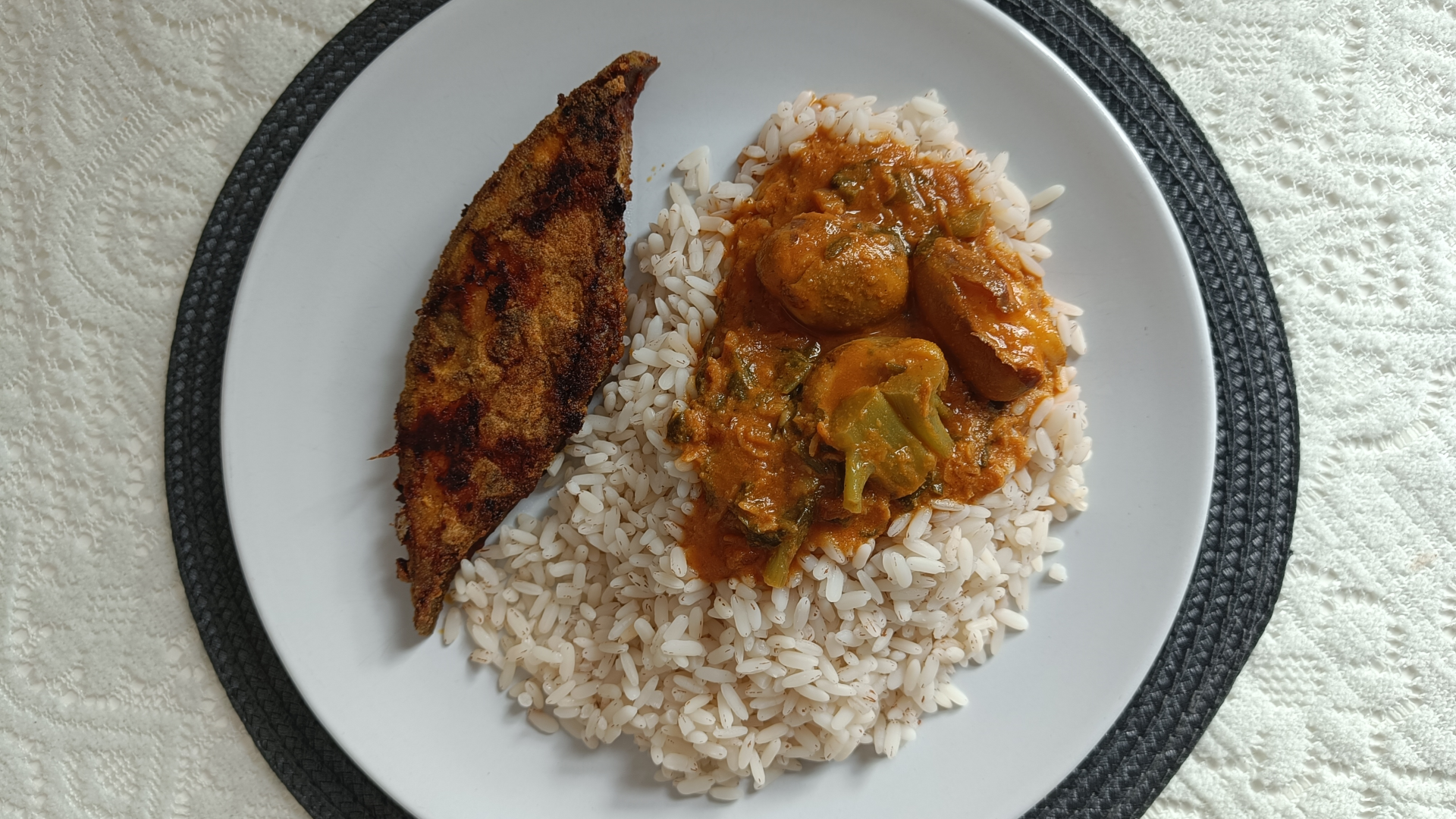
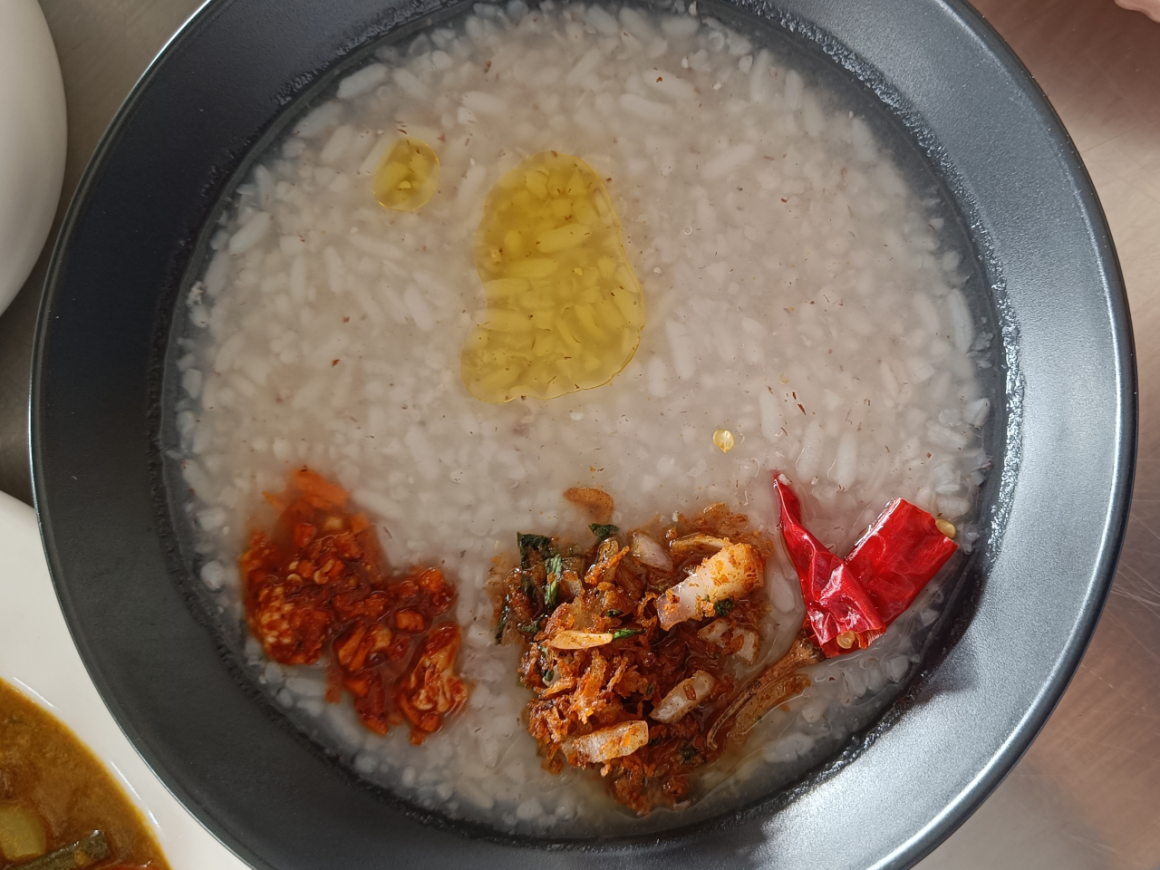
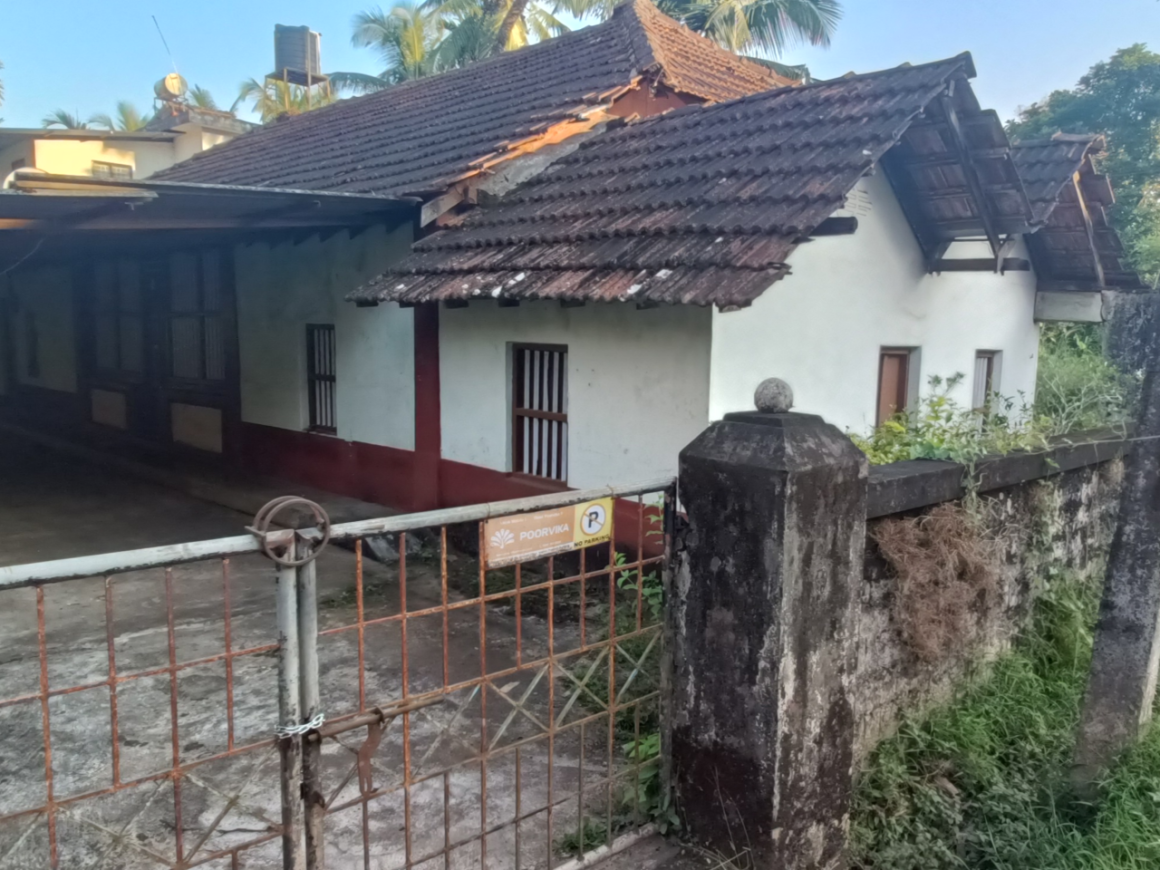
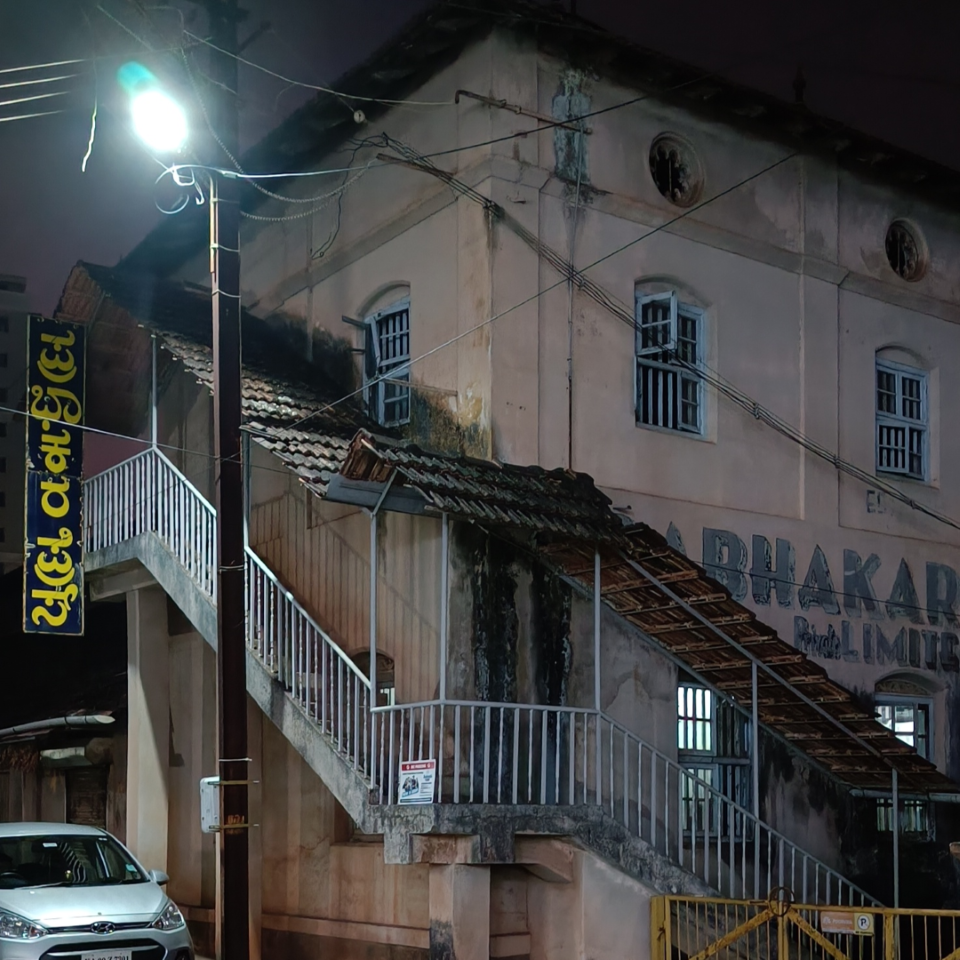
My Amma (mum) was born in this tiny little house (top right) where she lived with her mum and 6 siblings. Her dad was a taxi driver in Bombay back then. She often says that most of the time, their meals used to be Pej and Nonche (Konjee/overcooked rice with its starch and pickle), as they could not afford fancy meals.
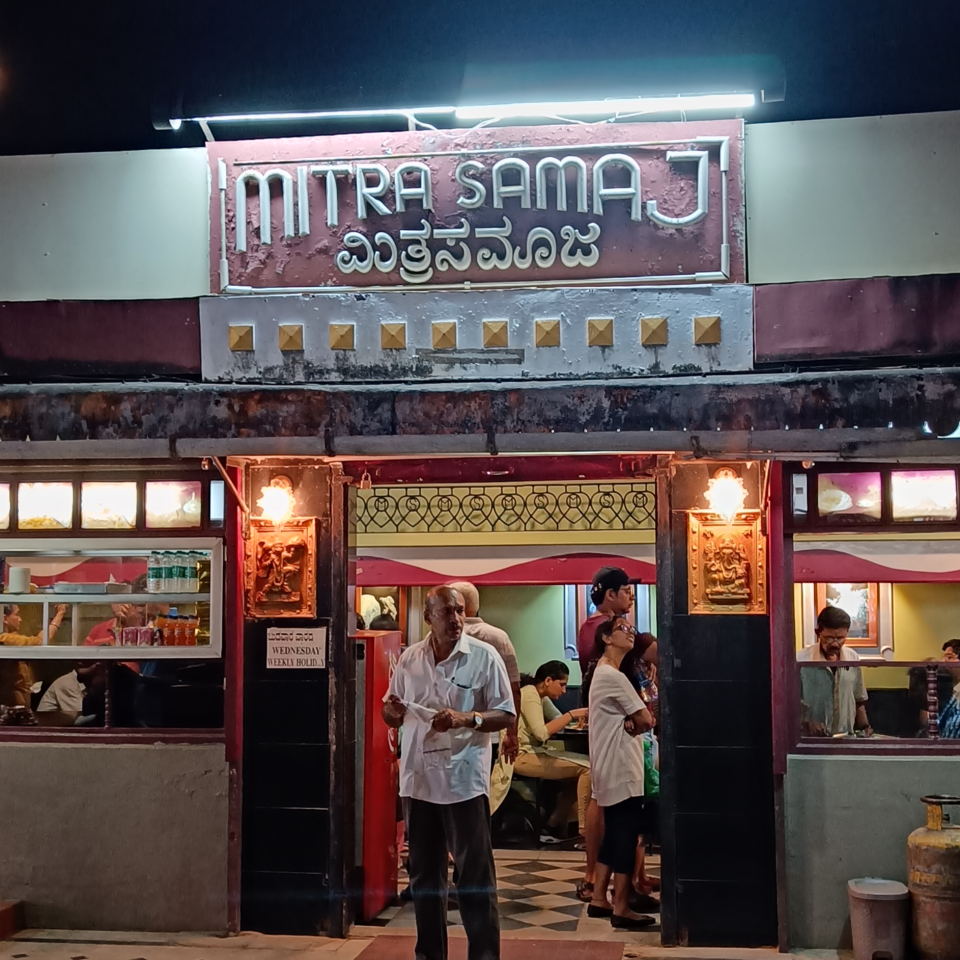
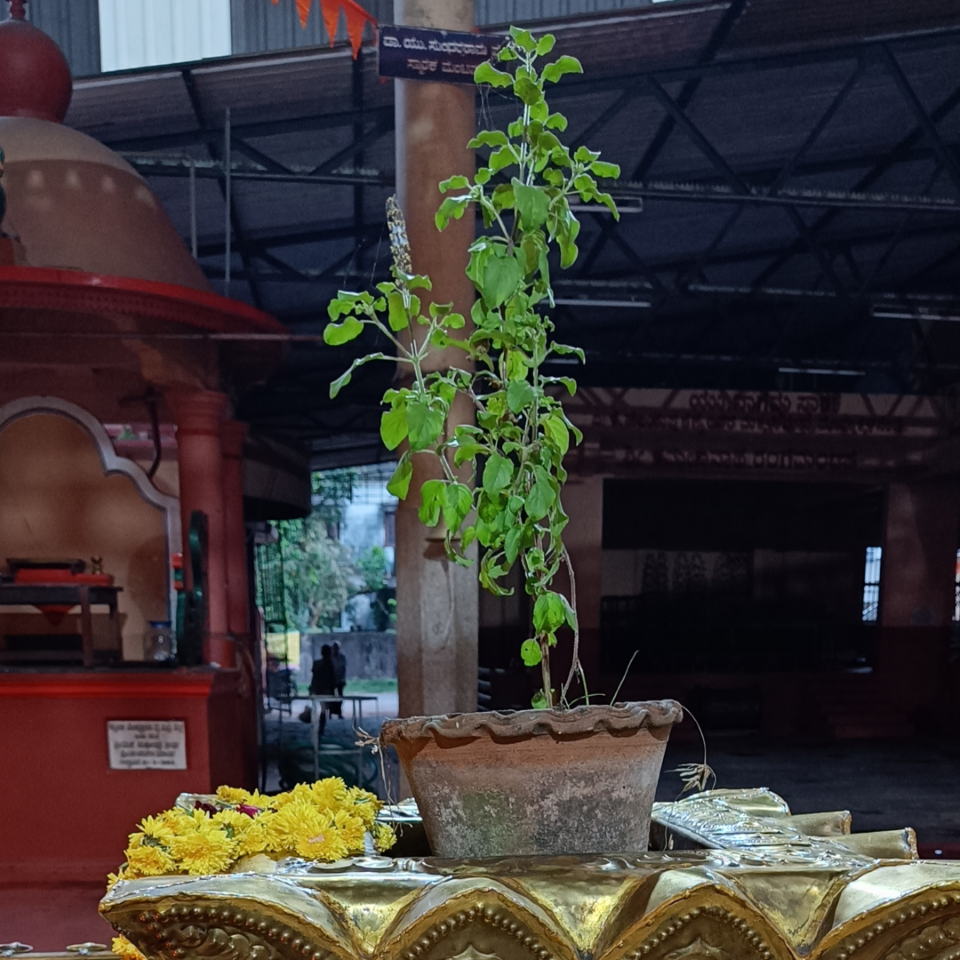
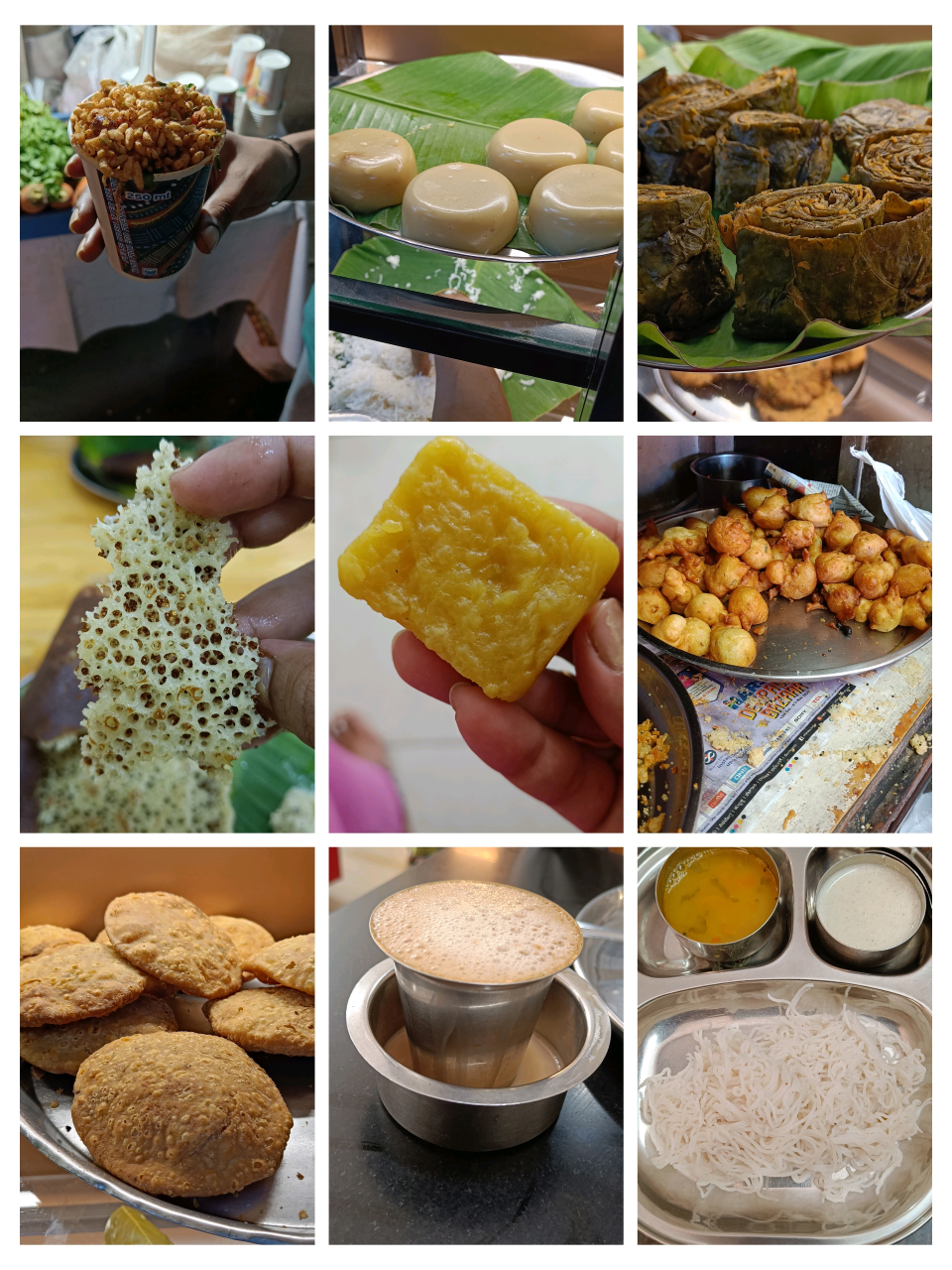
When her dad would visit them twice a year, he would take them for a treat to Mitra Samaj (which for them was equivalent to a 5 star restaurant)— a restaurant in the Shri Krishna Matha, Udupi campus.
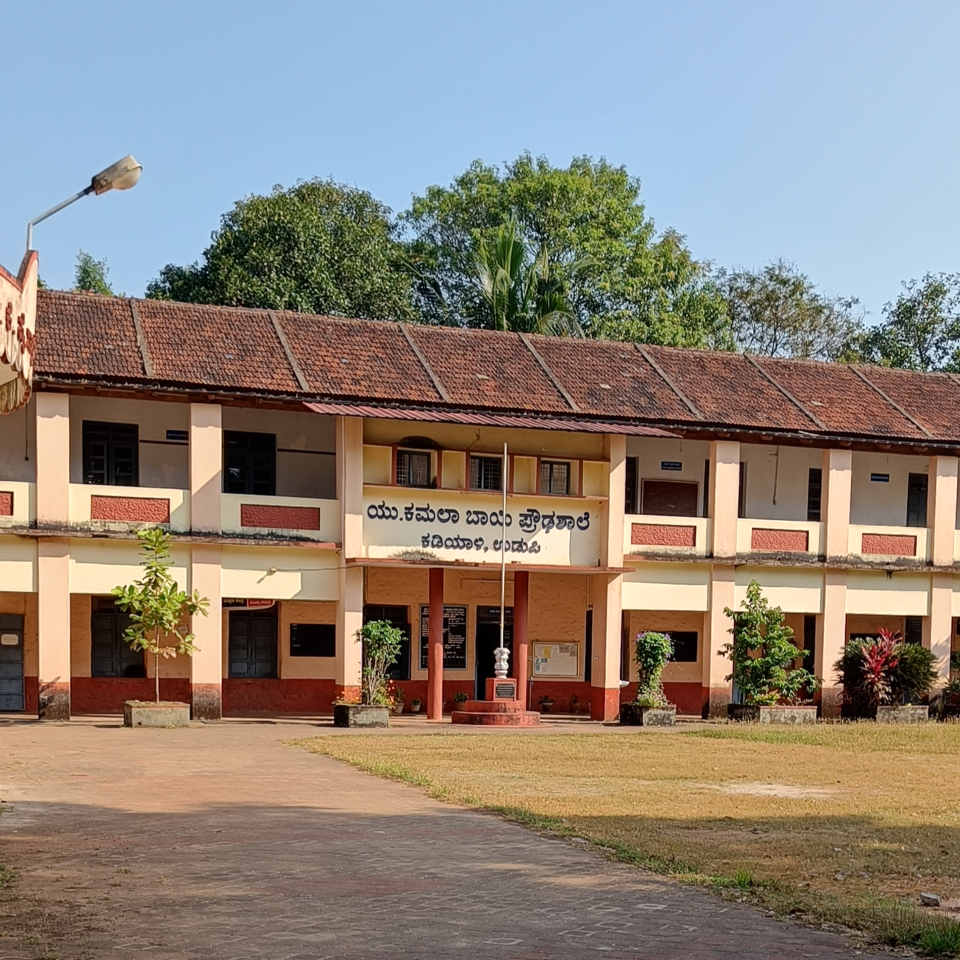
Last year when I visited Udupi, I went to Kadiyali School where my mother did her schooling from, and then at the age of 13 had moved to Mumbai with her family as most of her siblings had gotten a job in Bombay.
I am blessed to be born in a household where all the women in the family are excellent cooks and still inherit the regional cooking methods and recipes, and I have learnt bits and bobs from each one of them.
The Karavali region runs from Mangaluru to Karwar—a lengthy 300 km coastline in Karnataka. The Kannada terms “Karu” and “Nadu“, which translate to “elevated land,” are the roots of the word “Karnataka”, but due to the prevalence of black cotton soil, “Karu” also corresponds to “black” and “Nadu” to “region”. Mangaluru, formerly known as Mangalore, gets its name from the local Hindu goddess Mangaladevi, which “Mangal” is derived from, and “uru” means “village”.
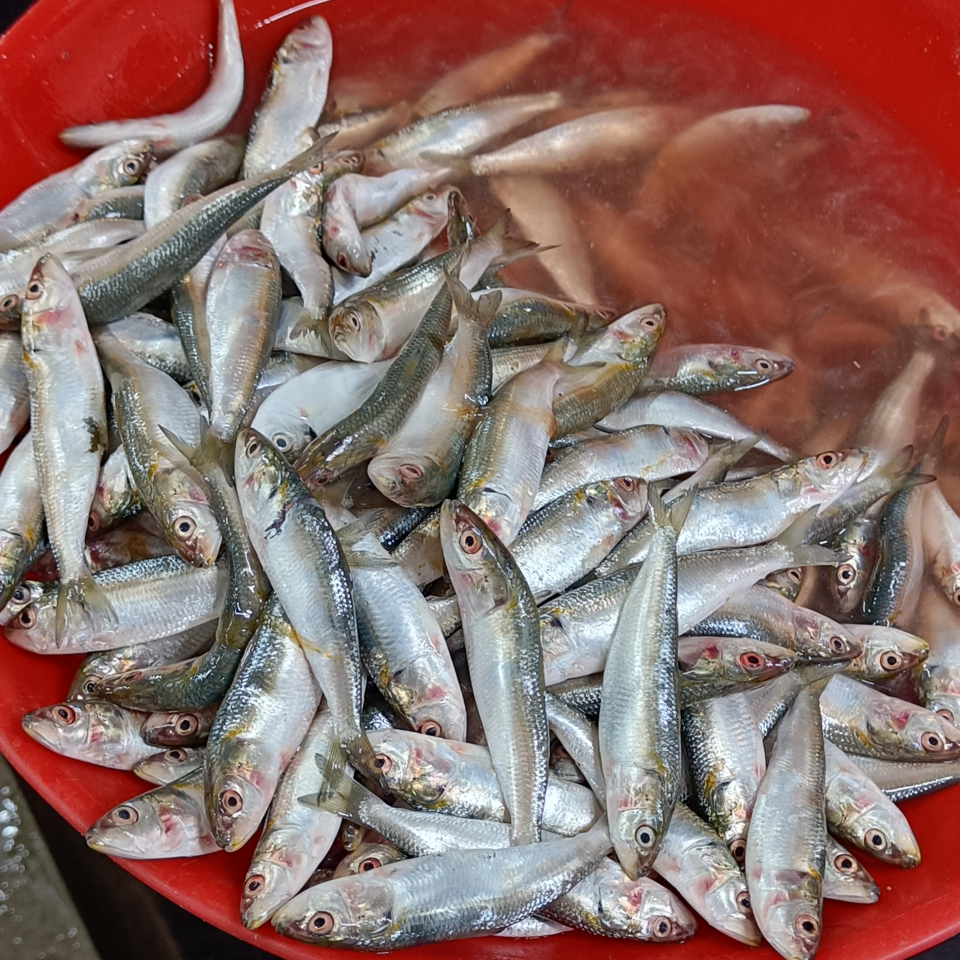
The majority of people that live here are members of the Mangalorean Catholic, Muslim, Jain, and Hindu communities. The major cities of Karavali are Mangaluru, Udupi, and Karwar—further subdivided into Uttara Kannada, Dakshin Kannada, and Udupi. Like the rest of Karnataka, Karavali’s population speaks three main languages: Kannada, Tulu, and Konkani; and being a coastal town, fish is the primary food.
The Gowd Saraswat Brahmins (GSB) community’s roots are in the banks of the revered Saraswati River. After the river dried up, the people moved south along the Konkan coast, settling in places like Goa, Karnataka, Kerala, Maharashtra, and more. In addition to influencing their identity, this migration enhanced their food by incorporating regional foods and a variety of cultural influences.
Despite having Vedic roots, the GSBs blended in with the coastal culture of the area. Because they considered seafood, particularly fish, to be a “vegetable of the sea” (commonly called “saatvik jivan” in their culture), they were able to eat it without feeling that it went against their religious beliefs.
The Advaita Vedanta philosophy, which prioritizes inner purity over strict dietary guidelines, is practiced by many GSBs. They exhibit a balanced approach between tradition and pragmatism by eating seafood in daily life yet sticking to a vegetarian diet during religious festivals and rituals. A variety of elements, including soil type, availability of ingredients, climate, and water quality, combine to form a cuisine.
Curry leaves, green and seasonal vegetables, rice, millets, and coconut are all used extensively in any dish; in fact, nearly every dish prepared in the Udupi region contains coconut. Pine and jackfruit leaves are woven into cups/moulds, which are then filled with idli batter and steam-cooked for breakfast, either by itself or with other ingredients.
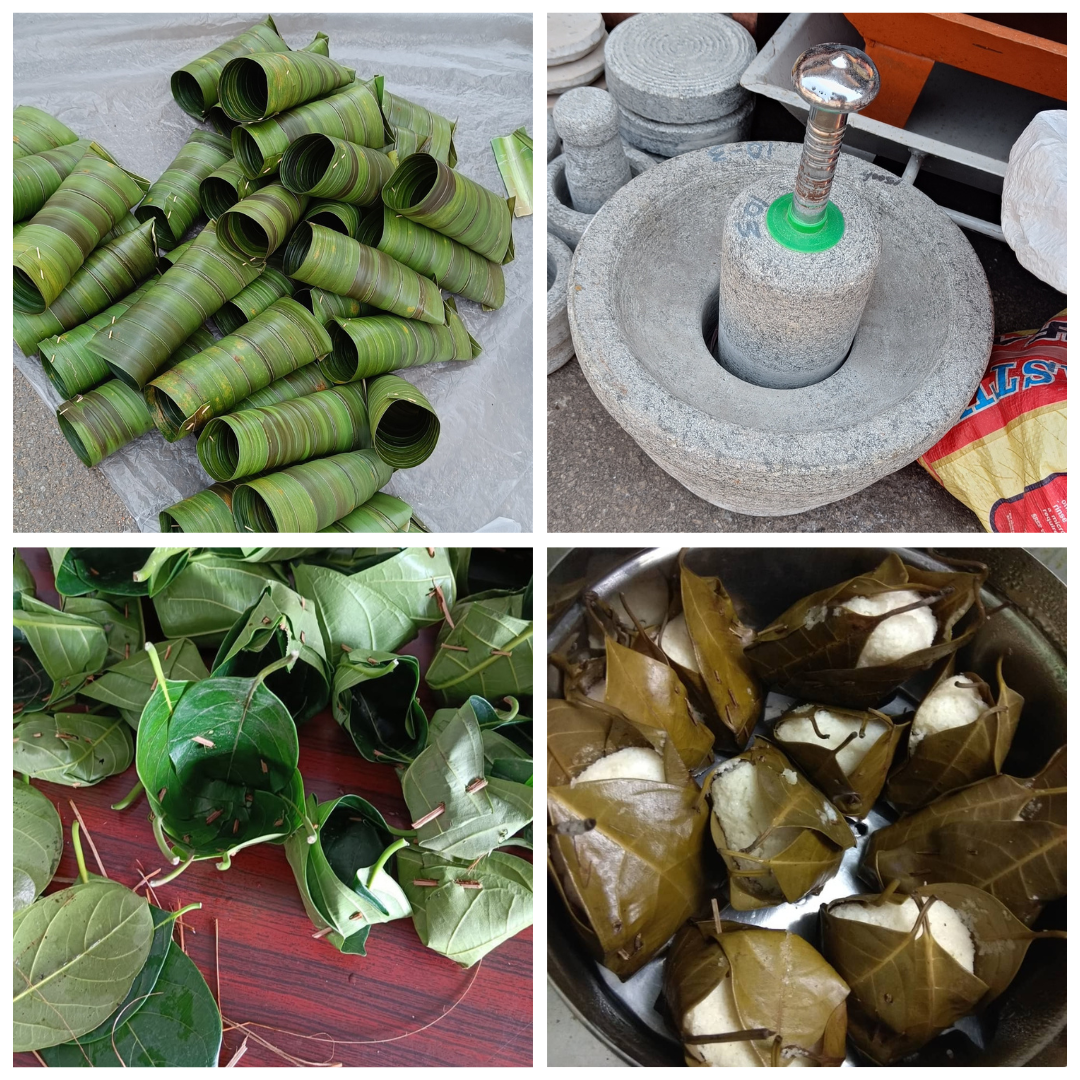
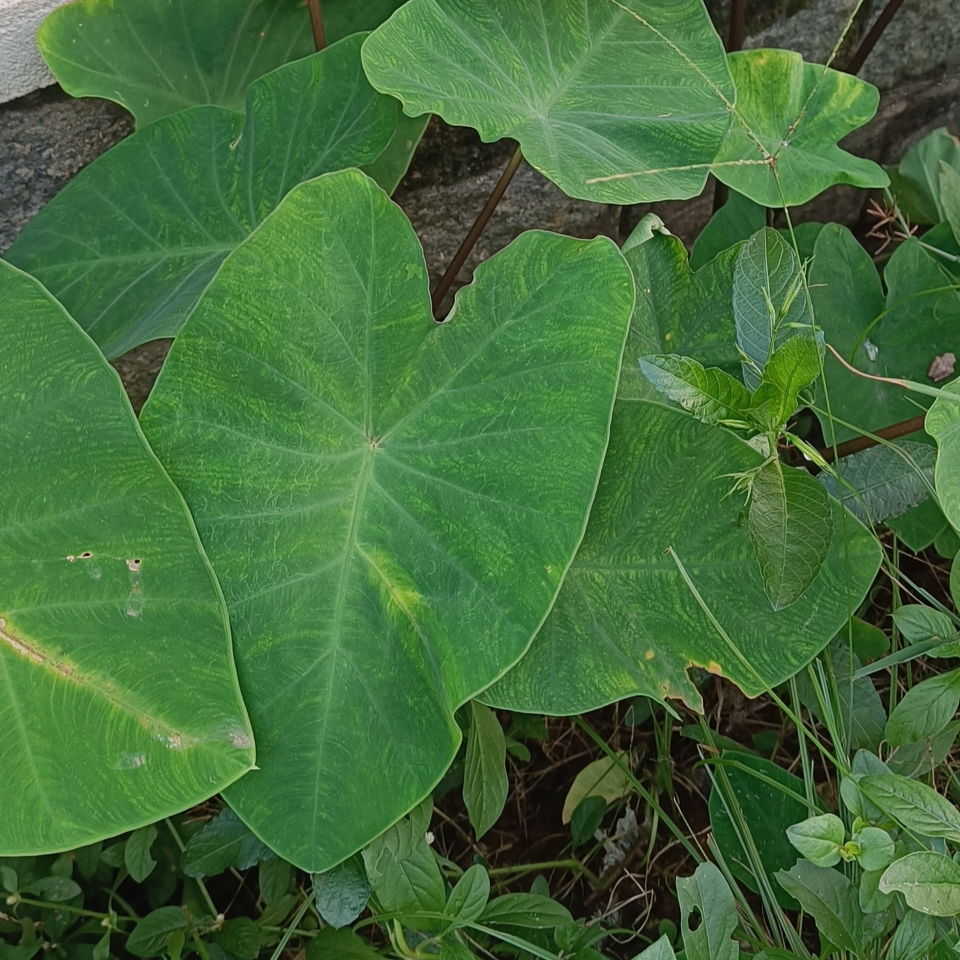
As a result, the aroma and flavour are improved alongside various health benefits. The meals also frequently include seasonal green leafy vegetables like Colocasia and Brahmi leaves. A variety of seasonal fruits are combined to make pickles and chutneys.
Pork is useful to the Mangalorean Catholic community, and asafoetida is used extensively in the cuisine of the GSB. The Muslim community is called Beary or Byaris, which translates to “traders” in Tulu. Their cuisine bears some similarities to Arabic and Keralan Moplahs. Where South Kanara utilizes finger millets (Ragi), North Kanara uses a lot of Jowar or Sorghum in their meals. Since the GSB community adheres to the “Zero Waste Policy, or utilising everything from root to tip” they make an effort to use every part of the produce, including the pulp, leaves, skins, peels, stems, seeds, and other parts of any fruit or green leafy vegetable.
While I was working as a Chef Lecturer at Rizvi college of Hospitality, Mumbai, I got a chance to cook these traditional GSB dishes for all our staff and introduce them to my cuisine. People find it quite fascinating when they learn how we practice sustainability and minimise food wastage.
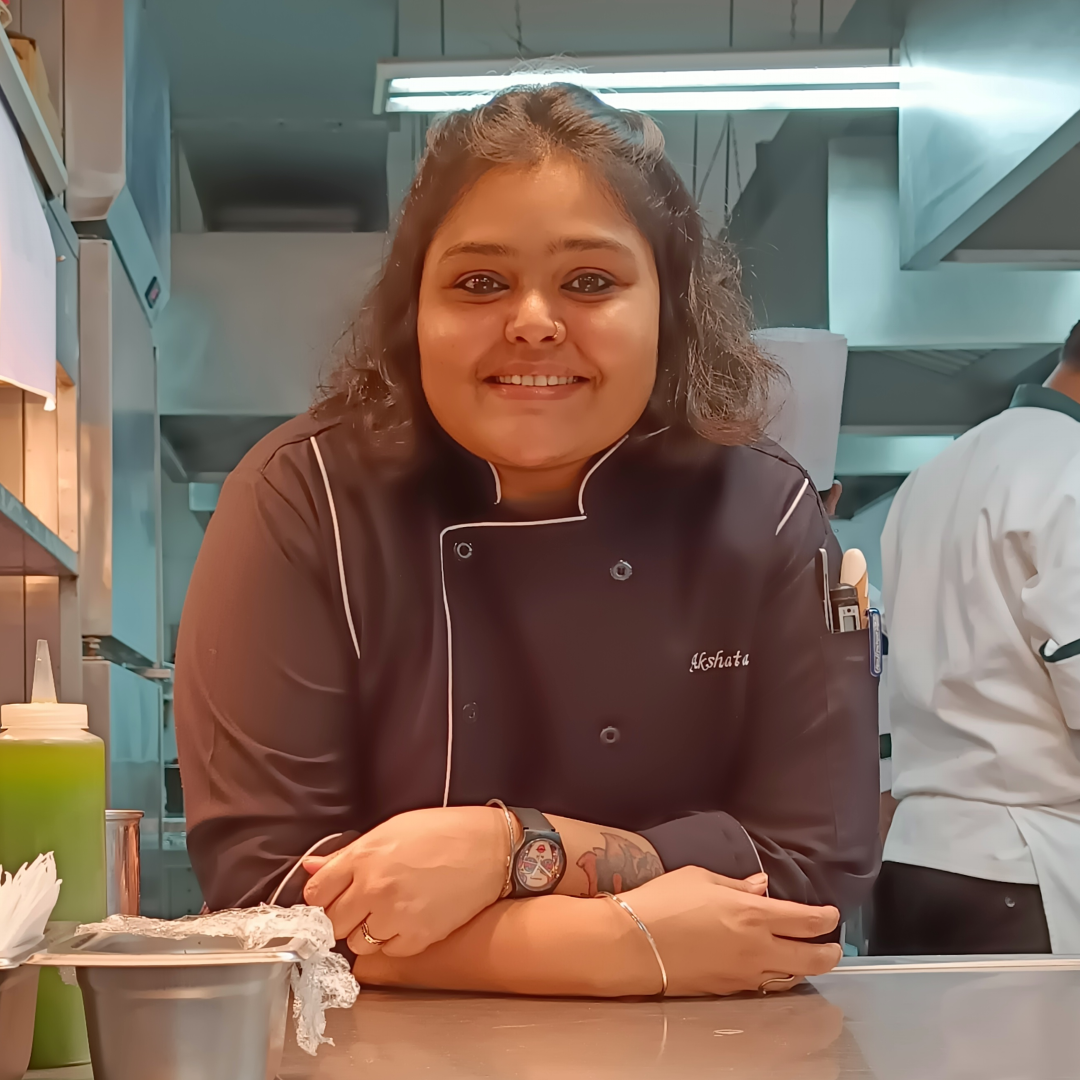
Chef Akshata is pursuing her PhD in Culinary exploring and creating awareness about Karavali Cuisine. She has worked in multiple renowned restaurants in Mumbai and also worked as a Chef Lecturer in a couple colleges. She is a third generation Chef in her family taking forward the legacy after her dad and granddad. She has participated in several online cooking sessions on social media and print media platforms. She is currently in the UK and plans to open up her own small restaurant serving Karavali or precisely G.S.B food and simultaneously runs her own foodies group called #FoodHuntManchester which brings together Asian women exploring one new cuisine every month by visiting regional restaurants or food pop-ups. Apart from being a foodie, she is a Royal Enfield Rider and also walked the Ramp for several brands as a Plus Size Model.
“The views, historical interpretations, and opinions expressed in this article are solely those of the author and do not necessarily reflect the official position or stance of Bruite Magazine.”
Translations and detailed descriptions are provided to give a better understanding of the story to people from different cultural backgrounds across the globe.