
A culinary exploration of tradition through ancestry, loss and experimentation
The pleasant chill surrounds the city and welcomes a tolerable winter, relieved from the painful rain that still transpires unexpectedly sometimes. My recent hatred for the unrestrained rain birthed in me a newfound love for the winter. Christmas creeped in, little by little. A festival that had the power to enliven the grim cold up until a year ago, now only made it worse. I knew it was because of how much I associated the celebration with my grandmother, Allwyn. Losing her just a month earlier led me to realise how much of the magic I attributed to Christmas was mostly just about her and her kitchen. The feeling of her absence dawned on me as the festival came close, culminating quickly into panic. In a hopeless effort to be useful for my family, I used what little I had at my disposal: my obsession with cooking. An obsession that usually delivers enough motivation to keep myself fed daily with something that doesn’t bore me, but is affordable. This, however, was my version of luxury — an assortment of packaged Christmas sweets (inspired by, but not directly associated with, Christmas) for close family and friends. In addition to this challenge, I also decided to host a dinner party with a menu inspired by my grandmother and our palates, fashioned by ancestry and adventure.
Every afternoon, on the 25th of December, there was the standard Christmas lunch hosted by my grandparents. My Grandmother spearheaded the preparation, and carefully composed a menu with a mix of classic delights. Juicy roasts with signature thick, sliced potatoes that had a sweetness only she could conquer every time. Her meats would always turn out succulent. Sometimes she would include beef tongue, which would clean itself out in seconds. My Grandfather would fry fish in the simplest adrak-lasun and haldi-mirch masala, an ordinary but revered staple at our table. Sometimes my grandmother would include her favourite cuisines, or draw inspiration from food she loved. Like the time she made Mutton Dhansak and a fragrant brown caramel rice to pair it with, something I know now takes hours of meticulous preparation. Finally, there was Sorpotel, designed for the occasion in her style. The care and effort behind the preparation of each dish considered every diet at the table. This annual feast created for her loved ones, therefore, was a symbol of the bond between her and each of her diners.
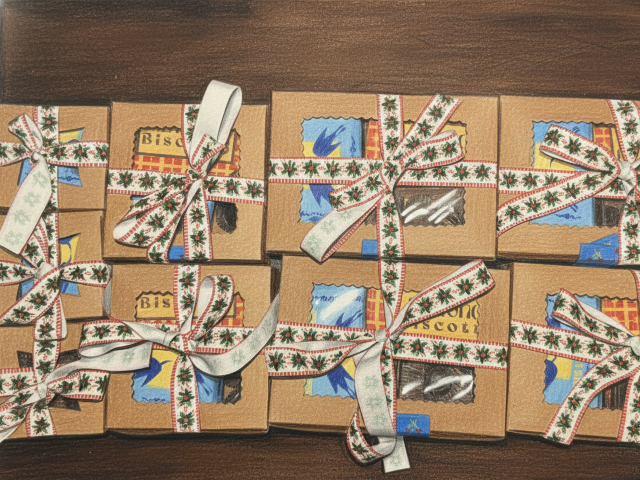
This Christmas, I started a week prior, attempting to accomplish everything I had set out to do, the things my grandparents had done every year. Although sweets are kept at home to distribute to everyday wishers, I decided to package the sweets so that my family could enjoy them. This packaging, however, drifted from the usual expectation of Christmas sweets. Deeply inspired by them, I started with whiskey truffles using the bottle left over from my birthday. I made cocoa dusted and chocolate covered truffles, which were lopsided, shapeless, but delectable once they melted in one’s mouth. The next one was almond biscotti because I wanted an accompaniment to the package designated for cookies.
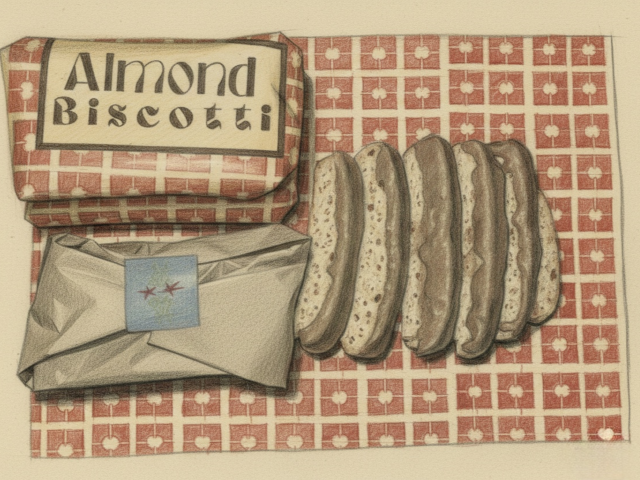
I made my almond biscotti and dipped them into a white and milk melted chocolate mix. The smell of the baked egg yolks with sugar and vanilla created a scent so nostalgic, it reminded me of all the Christmases I had spent with both my grandmothers while they worked like machines to manufacture baskets brimmed with sweets ready to distribute. The final item was my marzipan slice. Inspired by the all-time favourite, I thought of a chiffon cake, layered with cream cheese and mulberry jam, topped finally with a thick layer of marzipan.
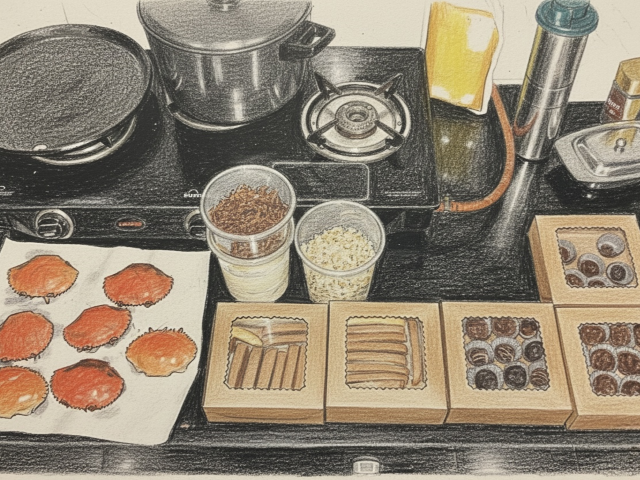
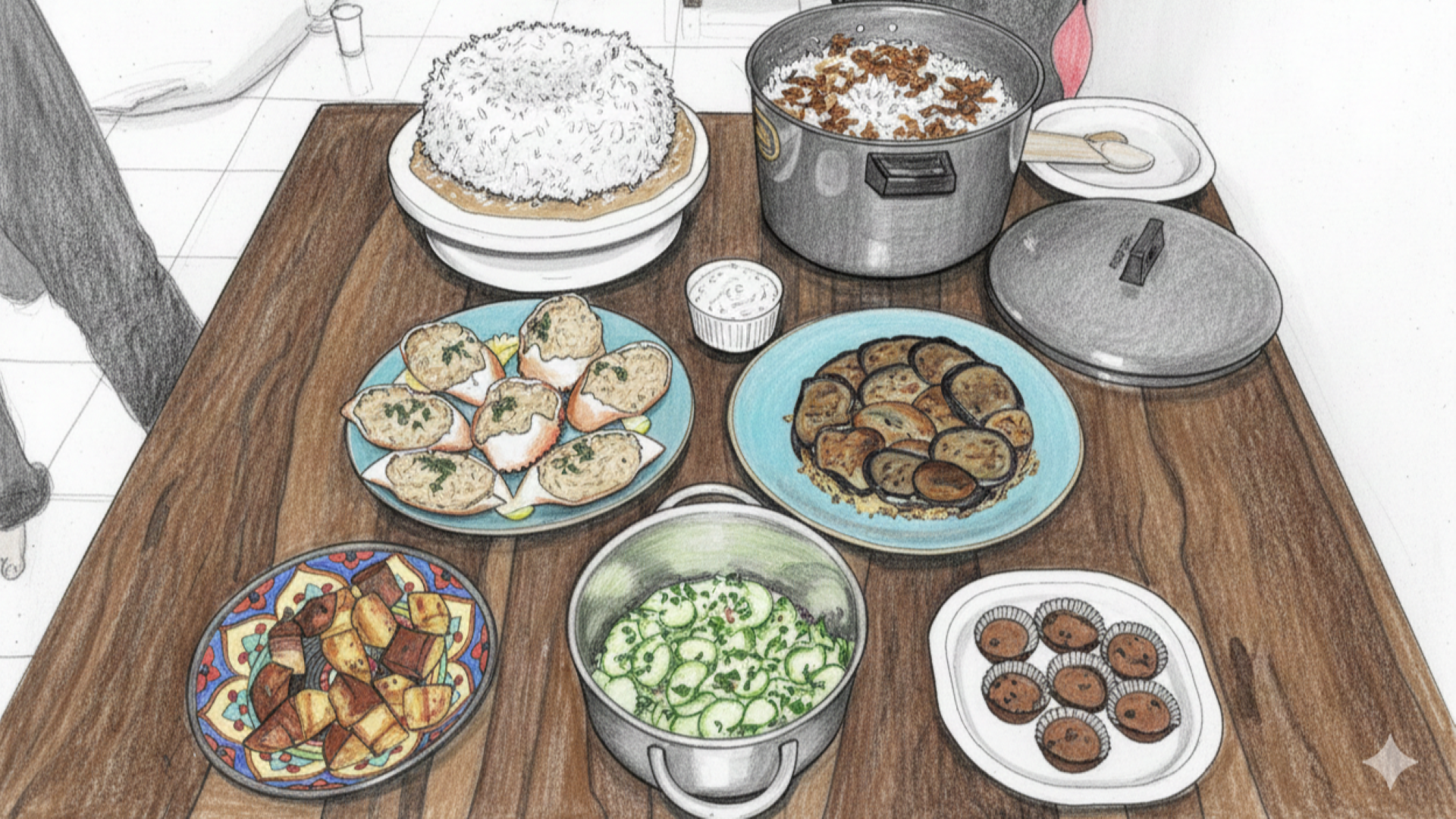
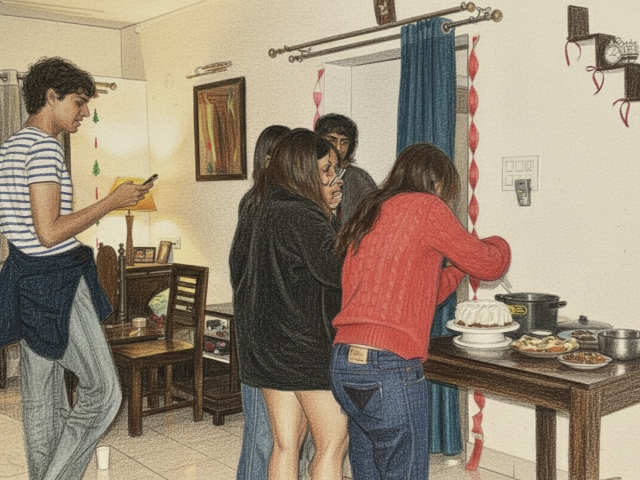
Although making packages for people is time-consuming and high-effort, it was not the only thing I was filling my plate with. I hosted a dinner party with an even more outrageous menu. Only inviting a few close friends, I decided I could go overboard and include all the dishes I had been thinking of executing. Of course, much of this was not accomplished alone. I had borrowed my friend’s hands, which made it a little easier because he has experience cooking and was eager to help. According to me, his strong suits are a delightfully spiced fluffy vegetable pulao, great chapatis which I struggle with, and so much unnecessary insight into my dishes. It didn’t bother me as we worked because some insight did improve things. I started things off with a simple cucumber dill salad, dressed with my grandmother’s signature vinaigrette. One of the starters was crab, which I deshelled about 7 of. I plated it with a spiced Goan crab curry, cooked with a garam masala roasted and grinded to a fine vermillion powder, coastal staples like coconut milk and kokum, and the meatless crab shells, which I then strained and reduced to a sauce.
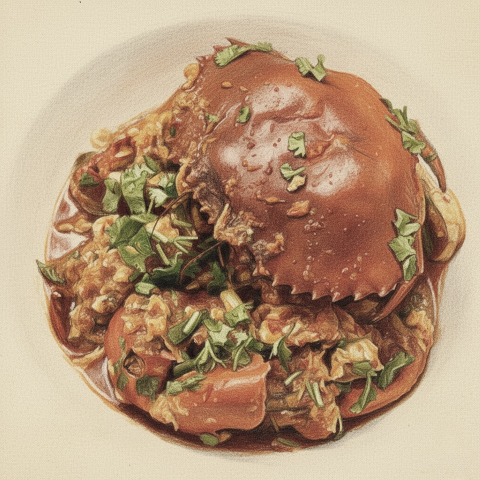
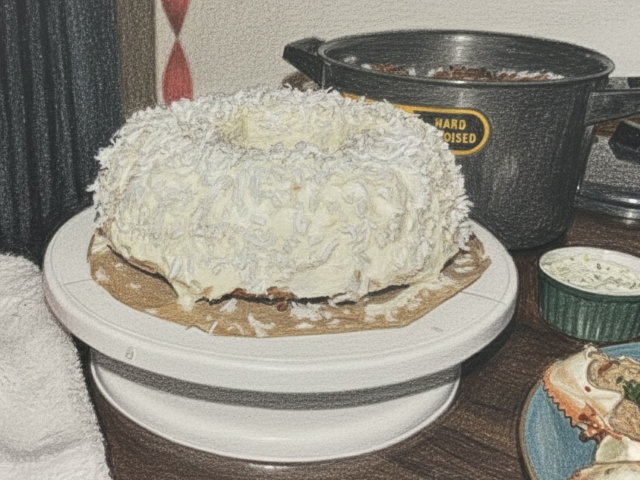
This delicacy, when paired with the juicy, soft and naturally flavourful meat, was amazing. (Many shells slipped in!) The finale was a mutton biryani, which did not meet my expectations at all but is something that I can now forgive myself for. It wasn’t packed with masala or flavour, but by the time I ate it, my body was so tired it would have enjoyed almost anything even remotely nourishing. For my one vegetarian friend, I made a version of vegetarian moussaka. As someone who rarely cooks strictly vegetarian dishes, I decided on something I knew would be liked but also a little uncommon. The dish which I never took out was a baby duck which I cooked whole. The problem, though, was that it was too small to feed more than two. So naturally the next day, I ate it whole and threw out the carcass. My final and most prideful dish was the decadent dessert and my intended showstopper, a coconut bundt cake. A heavy sponge with white chocolate chips that required an hour of baking made my face gleam when I flipped to uncover it. A beautifully set sponge that mirrored the design of the bundt tray, with burnt specks of white chocolate all over. I spread a dousing of cream cheese over it and attempted to even it out the best I could, ending it with a generous blanket of sweetened shredded coconut.
At the end of the ordeal, once all the packages were delivered and dinner digested, I felt content, but also gained insight into the work of my grandmothers and mother. How they produced these spreads on multiple occasions throughout the year without room for a single failure. Of course, experience and practice go a long way, but my desperate attempt to embody her spirit for just one more Christmas made me savour the impact of all the meals she fed me. The traditions she designed for the twenty years I was in her life and long before that, will pass down to me and eventually grow into mine.
Ismael was born and raised in Pune, India. Writing intrigued him as early as sixth grade, and despite long sabbaticals forced by writer’s block, he kept going back to it. From writing SEO driven content, copies for luxury brands and even sustainability-based platforms, his writing career has spanned many fields, but food remains his greatest inspiration. For him, writing about food and uncovering the ways culture and cuisine intersect is where his passion truly lies.
“The views, historical interpretations, and opinions expressed in this article are solely those of the author and do not necessarily reflect the official position or stance of Bruite Magazine.”
Translations and detailed descriptions are provided to give a better understanding of the story to people from different cultural backgrounds across the globe.