
The fall of the Mongol empire began, if the amalgamation of legends is to be believed, with a pastry.
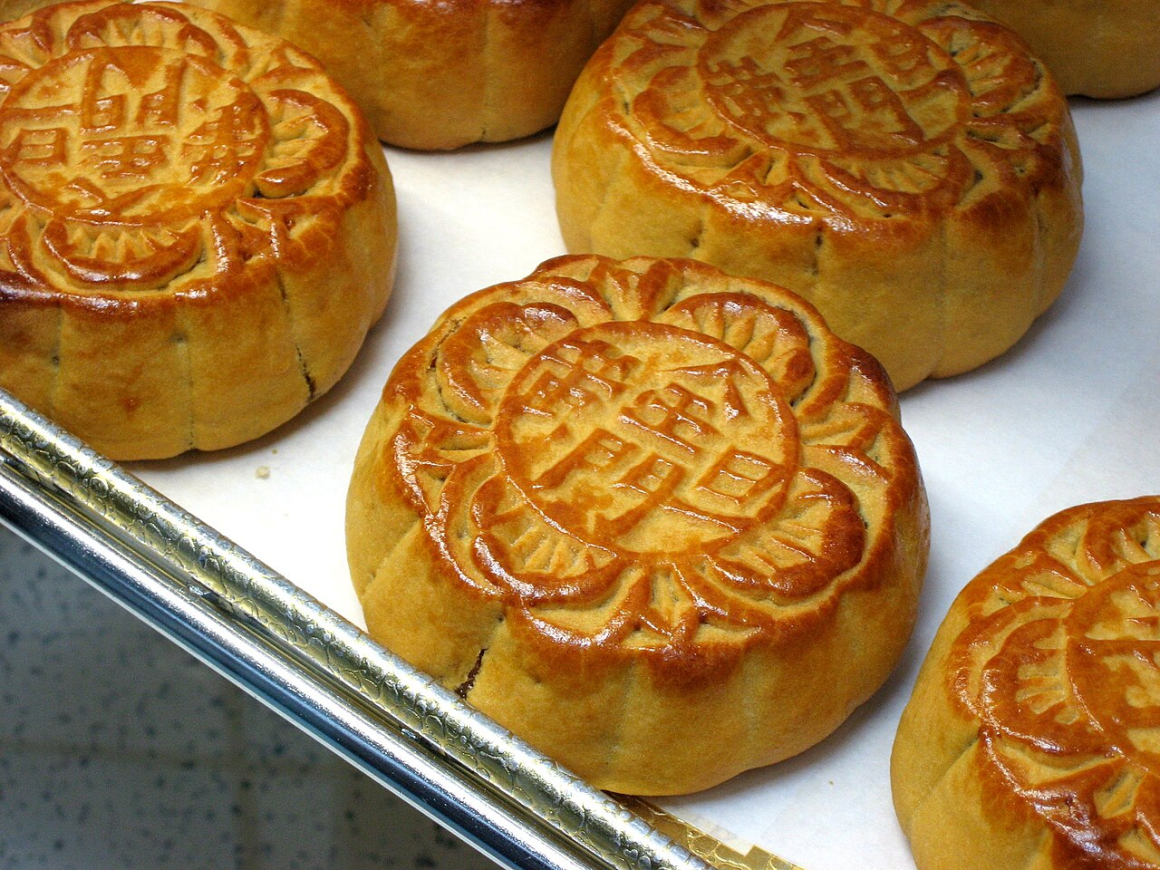
By the late 14th century, after nearly ninety years of Mongol rule, China’s population was exhausted: spies loitered at thresholds, food was rationed to famine levels, and poverty pressed in on all sides. The time was ripe for revolt, and the scholar-strategist Liu Bowen is said to have found the perfect occasion in the Mid-Autumn Festival. It’s a time when families exchange and eat mooncakes — round, thin-crusted pastries filled with lotus seed paste, red bean, or spiced nuts.
Traditionally, these cakes are stamped on top with Chinese characters for “longevity” or “harmony,” or symbols tied to the moon, to family, to celebration. According to some accounts, Liu used these mooncakes to smuggle instructions for rebellion. One method involved hiding notes in the filling. More intriguingly, others describe cryptic stamps pressed into the surface — puzzles that, once cut and pieced together, revealed a call to action. Finally, by their consumption, all evidence of the message would be unrecoverable.
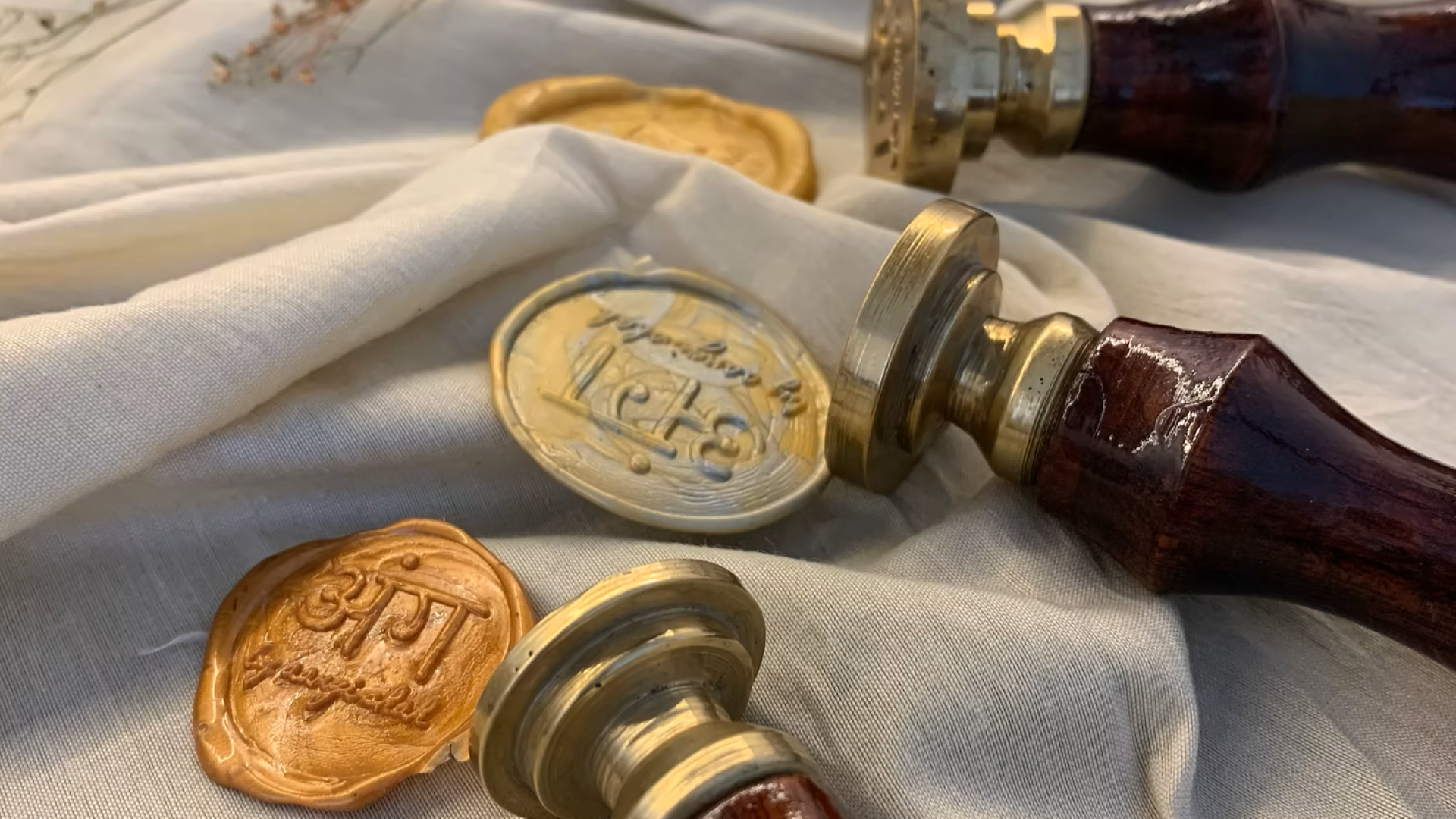
It’s a poetic beginning, if not a strictly factual one. But in the apocryphal lies a truth more interesting than accuracy: that food, despite its ephemerality, has long been used to carry permanence. And the instinct to leave a mark on food has persisted — carrying with it stories of identity, intimacy, and memory. It’s a thread that runs from ancient histories to modern custodians like Ang, a contemporary stamp-making studio in India who imprint on everything from burgers and coffee to pottery and wedding cards.
A stamped surface — whether for rebellion or ritual — can be more than ornamental. It can be a message, a memory, and a mark of origin. And in the act of marking what will be eaten, what will disappear, we begin to see that branding, too, can be about legacy rather than just leverage.
On Marking What Disappears
In the world of craftsmanship, the idea of leaving one’s mark is almost instinctive. The potter’s thumbprint, the weaver’s knotted thread, the carpenter’s burnished initials; each one is a quiet assertion of presence, and of authorship. But when the medium is something like food that is fleeting in its nature, what does that authorship look like? And more curiously: why does it persist?
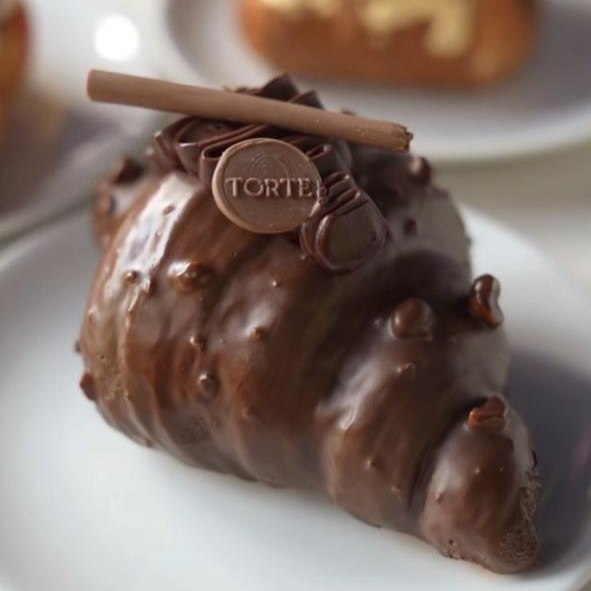
To cook is to create something designed to vanish. It is consumed, digested, and gone. And yet, across cultures and centuries, we see makers have marked food with seals, stamps, scores, or scorch marks; as if to say, before this disappears, let me leave a trace.
Perhaps the instinct to brand food is a refusal of that disappearance. A stamped name doesn’t just identify its maker, it affirms that the food passed through human hands, shaped with intention. As the founders of Ang put it: “A stamp is more than a tool when it holds meaning, carries a story, or symbolizes heritage. It becomes an extension of the maker’s identity.”
Branding as Intimacy
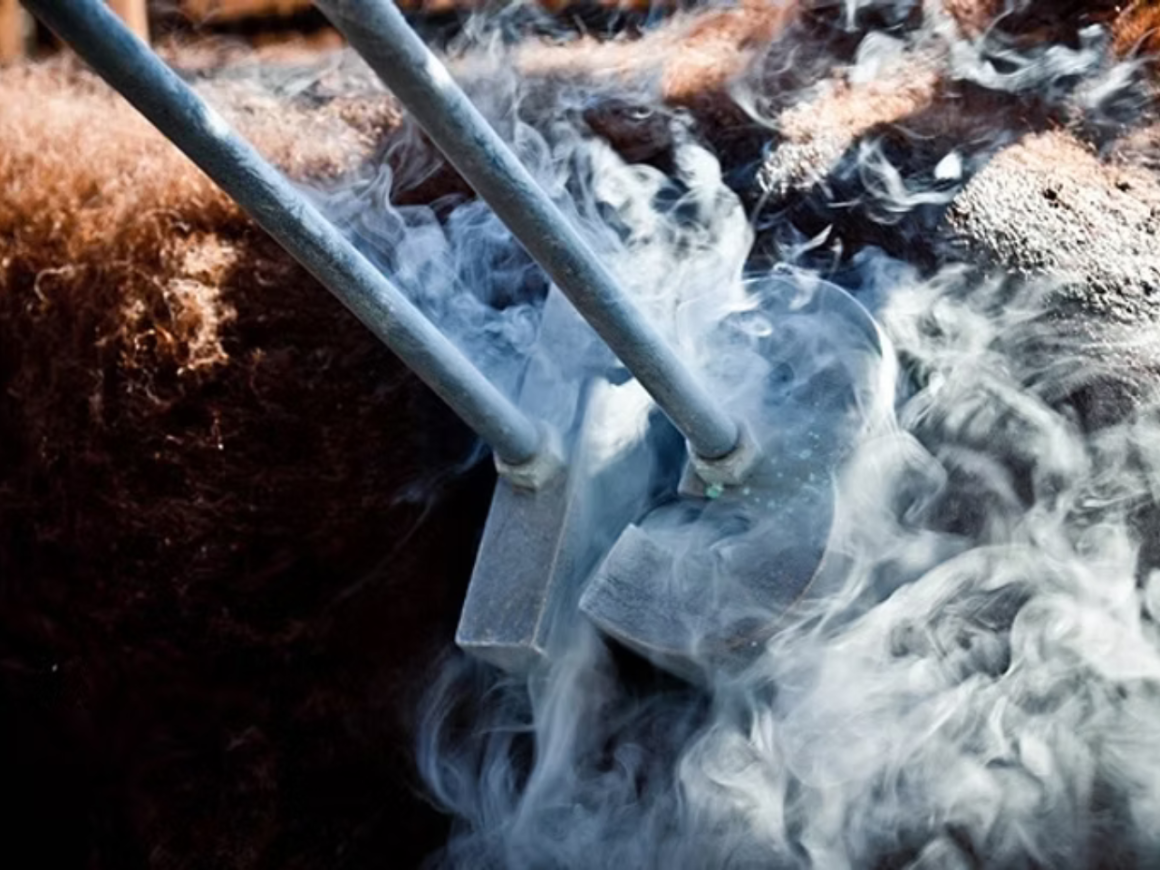
We have come to think of branding as a language of capitalism — loud and engineered to sell. It’s all logos and slogans, neon signs and sponsored posts. But the word ties itself first back to cattle-marking with hot iron marks: to brand was to burn, to mark something with fire, to signify.
In food, branding was a sign of ownership, yes, but also of much more. Bakers in medieval Europe were required by law to stamp their loaves so they could be held accountable for weight and quality. In parts of South India, sweet offerings during festivals are shaped using brass molds bearing sacred motifs. In Japan, wooden kashigata molds press seasonal motifs, like autumn maple leaves, into sweets made only once a year, tying them to nature’s rhythms. These were acts not of marketing, but of meaning.
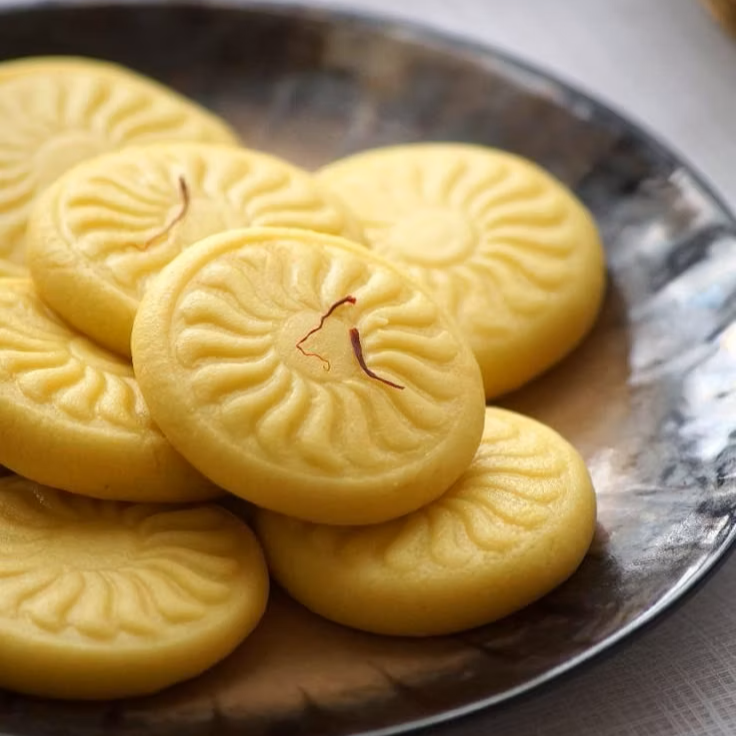
Branding, in this form, was less about visibility and more about intimacy. And if branding can be an act of intimacy, then the handmade mark becomes its most honest expression. It is the antithesis of the anonymous, a gesture of presence in a system built for absence.
Today, Ang’s commissions echo those traditions. One of their projects came from a chef who had just opened her first restaurant and needed authentic corzetti pasta stamps she couldn’t find anywhere. Through weeks of R&D, Ang brought traditional designs to life for her — a direct thread from centuries-old kitchens to her own.
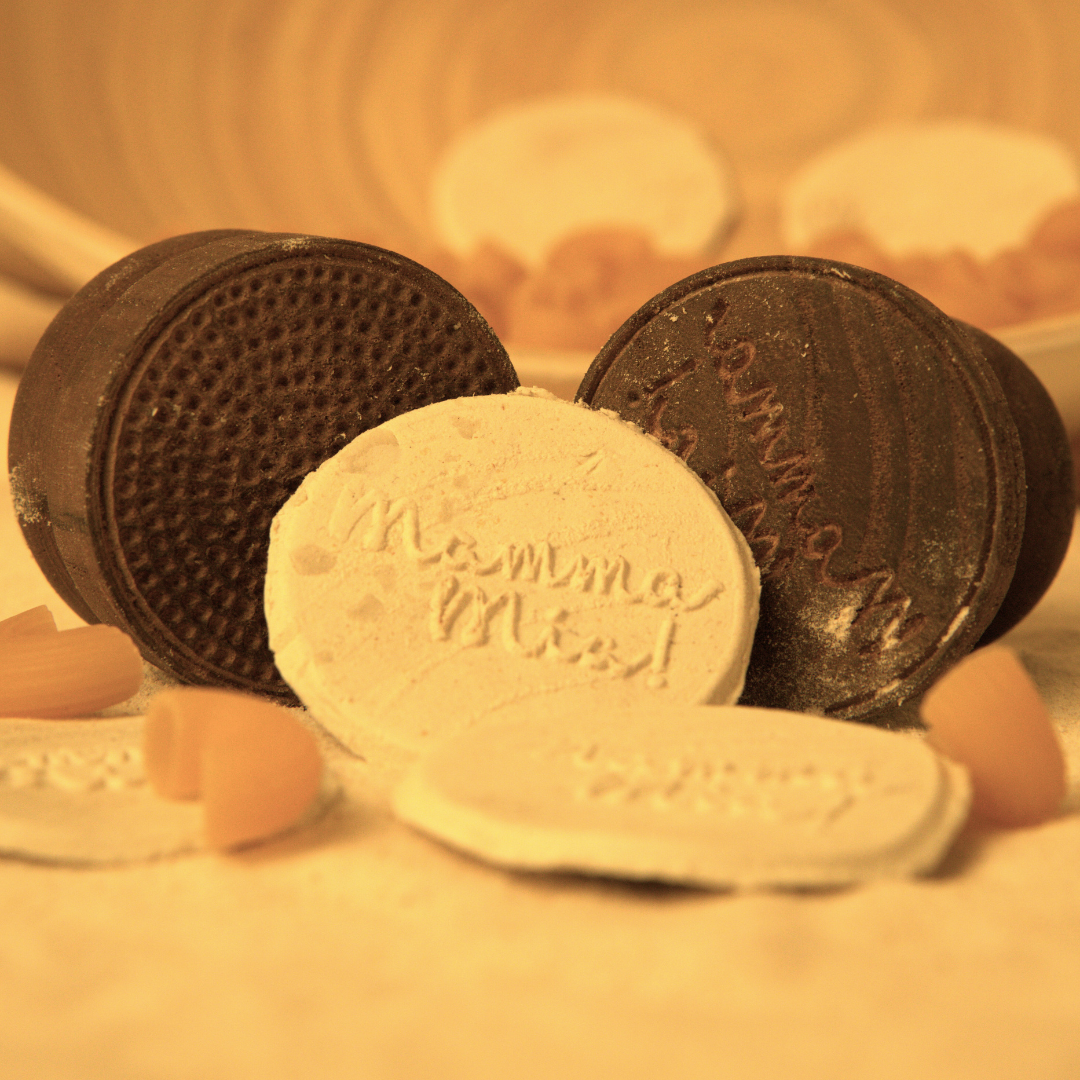
There’s no doubt that mass production has allowed food to travel further, last longer, and feed millions; but it has also made the personal, optional. A true handmade mark carries imperfections: the faint slip of the wrist, the minor variations of pressure, the asymmetry of human effort. It’s not repeatable at scale, and that’s precisely its value.
The Illusion of the Handmade
It is worth noting that even the aesthetics of the handmade are now routinely mimicked. Fonts designed to imitate hand lettering, packaging that simulates rustic textures, and stamps cast from digital templates.
The reason behind this shift in branding is as Ang’s founders note: “There’s a growing appreciation for pieces made by hand, each carrying its own character and soul. People are craving authenticity and connection — things machines can’t replicate.”
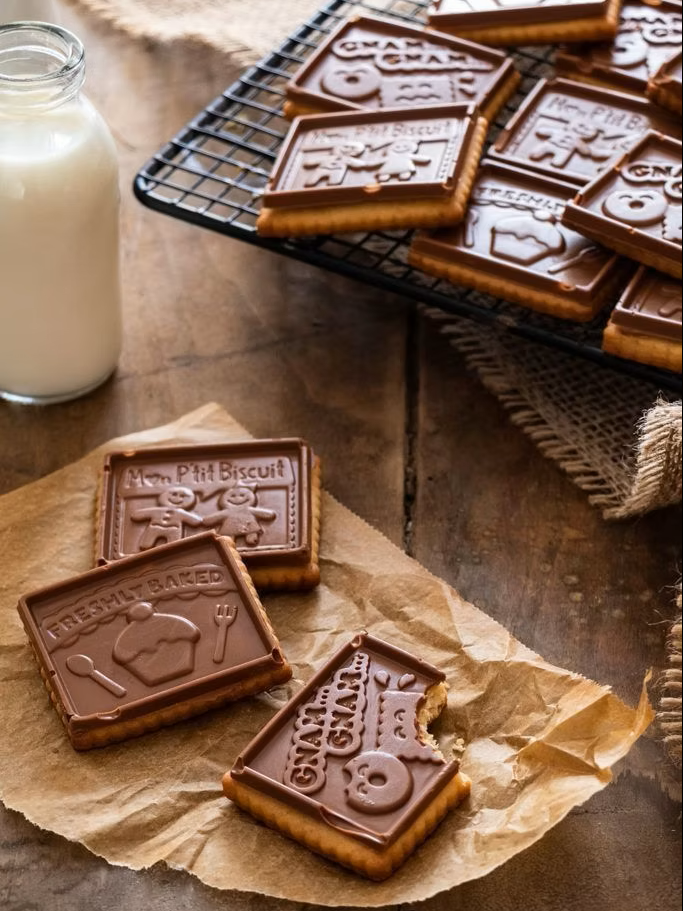
It’s the irony of our time, the tension that is at the heart of handmade aesthetics: the desire to appear slow, while operating at the speed of commerce. You can’t make 10,000 cookies by hand every day — but you can make them look like you did. It’s its own kind of craftsmanship: mass-producing imperfection.
The trouble is, what these simulations reproduce in look, they lose in contact. The moment-to-moment exchange between maker and material.
To Leave a Mark
In the end, what does it mean to leave a mark on something that is meant to vanish?
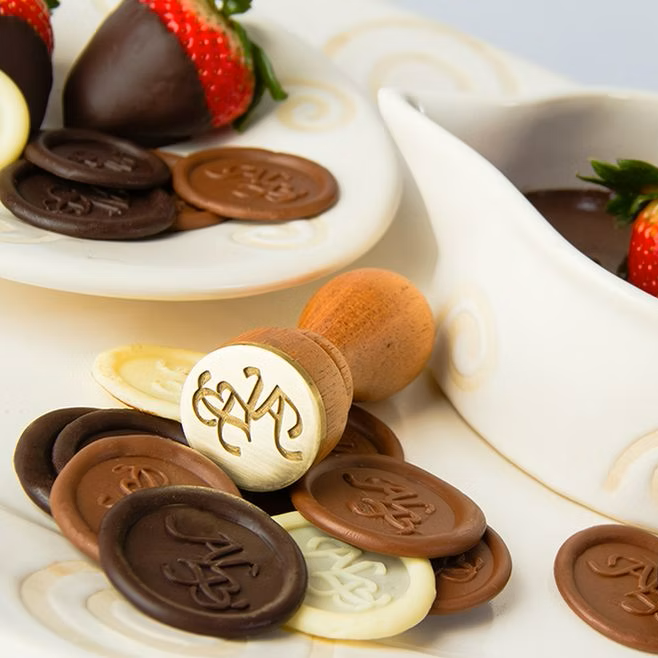
For Ang, one of their most meaningful commissions was from a woman who turned her mother’s last handwritten note into a stamp. Others have asked for monograms made of entwined initials, or symbolic patterns passed down through oral stories. These are not acts of branding in the commercial sense. They are acts of preservation.
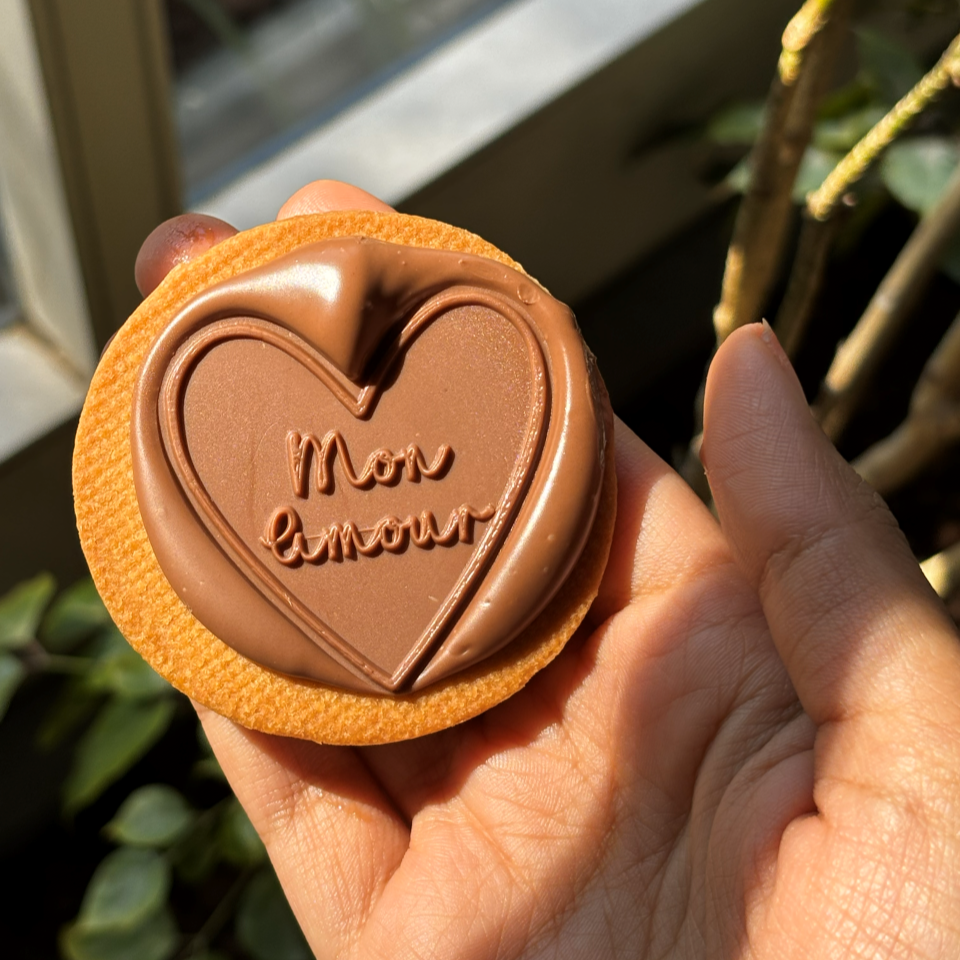
That’s the quiet paradox of food stamps and scorched initials: they are created knowing they will vanish. The cake will be sliced. The bread will be eaten. The imprint will fade. But the act of marking, the ritual, the memory, and the signature — those are what outlast the object.
And perhaps this is what the return of the personal brand signals. Not the rise of ego, but the revival of attention. Presence, rather than permanence. The desire to hold something, even briefly, before it disappears.
Because food vanishes, but its meaning endures.
Written by Aarushi B, Bruite Staff
“The views, historical interpretations, and opinions expressed in this article are solely those of the author and do not necessarily reflect the official position or stance of Bruite Magazine.”
Translations and detailed descriptions are provided to give a better understanding of the story to people from different cultural backgrounds across the globe.